Medellín and Colombia, from someone who lives here
Can You Drink the Tap Water in Medellín? (And What About the Altitude?)
Updated for 2026
The quick answer: yes, the municipal tap water in Medellín is safe to drink. I have lived here since 2018 and drink it at home without filtering it. You can also use it to brush your teeth, wash fruit and fill a reusable bottle. The main exceptions are properties with their own water source, poorly maintained storage tanks, or temporary problems after a service interruption.
Table of Contents
The quick guide
Question
Answer
Tap water in urban Medellín
Yes, normally safe to drink
Brushing your teeth
Yes
Ice in established restaurants and hotels
Normally fine
Old apartment or unusual taste
Ask the host or use a simple filter
Water after an interruption
Wait until it runs clear and check local advice
Rural property or small town
Ask where the water comes from
Altitude sickness in Medellín
Very unlikely at around 1,500 metres
That is the practical answer. The details below explain the few situations where it is worth checking before you drink straight from the tap.
Why Medellín’s tap water is safe
Most of Medellín and the Aburrá Valley receive treated water from EPM, the region’s public utility company. EPM tests the water throughout its distribution network and publishes regular quality reports for Medellín and nearby municipalities.
In May 2026, EPM reported a water-quality risk index of 0.78%, a result it classified as suitable for human consumption. You can view the current municipal reports on the EPM water-quality page.
In everyday terms, this means visitors staying in a normal hotel, hostel or apartment connected to the city system do not need to buy bottled water. The tap is the cheaper and less wasteful option.
When should you check first?
The water leaving the public system can be safe while a problem inside a building changes its taste, smell or appearance. These cases are uncommon, but they are the reason I would not give a completely unconditional answer for every single property.
Older buildings and storage tanks
Some apartment buildings use storage tanks, and some older homes still have aging internal pipes. A badly maintained tank or old plumbing can affect water after it has entered the property. This is more likely to cause an unpleasant taste, rust colour or sediment than a citywide water problem.
If the water looks, smells or tastes unusual, ask the host or building manager when the tank was last cleaned. Do not assume that a luxury apartment is automatically better maintained than a simple one.
After a water interruption
Planned maintenance and occasional pipe repairs can interrupt service in part of the city. When the water returns, trapped air or disturbed sediment may briefly make it look cloudy or discoloured. Let the cold tap run and wait until the water is clear. If there is still an unusual smell or colour, check EPM’s interruption notice or ask the property manager before drinking it.
Rural properties and community water systems
Medellín includes rural areas as well as the urban valley. A finca, mountain cabin or small property outside the main city network may use a community aqueduct, spring, well or storage system. Ask the host directly whether the tap water is potable. The same advice applies on day trips to small towns: local conditions matter more than the name of the department or region.
People with special medical needs
Someone with a severely weakened immune system may be given stricter drinking-water advice by a doctor. Follow that personal advice wherever you travel. For most healthy visitors, however, Medellín’s treated municipal water does not require boiling or filtering.
What about ice, coffee and brushing your teeth?
In established restaurants, cafés, bars and hotels, ice is normally made with the same treated water that comes from the city supply. I do not avoid ice in Medellín, and most visitors do not need to either.
Brushing your teeth: tap water is fine.
Coffee and tea: normal preparation is fine.
Washing fruit and vegetables: tap water is fine.
Ice in established city businesses: normally fine.
Ice at a rural roadside stall or remote property: ask if you are unsure.
Restaurants often bring bottled water because customers expect it, not because the tap water is unsafe. Ask for agua de la llave if you prefer tap water, although some restaurants may still only offer bottles.
Do you need a filter?
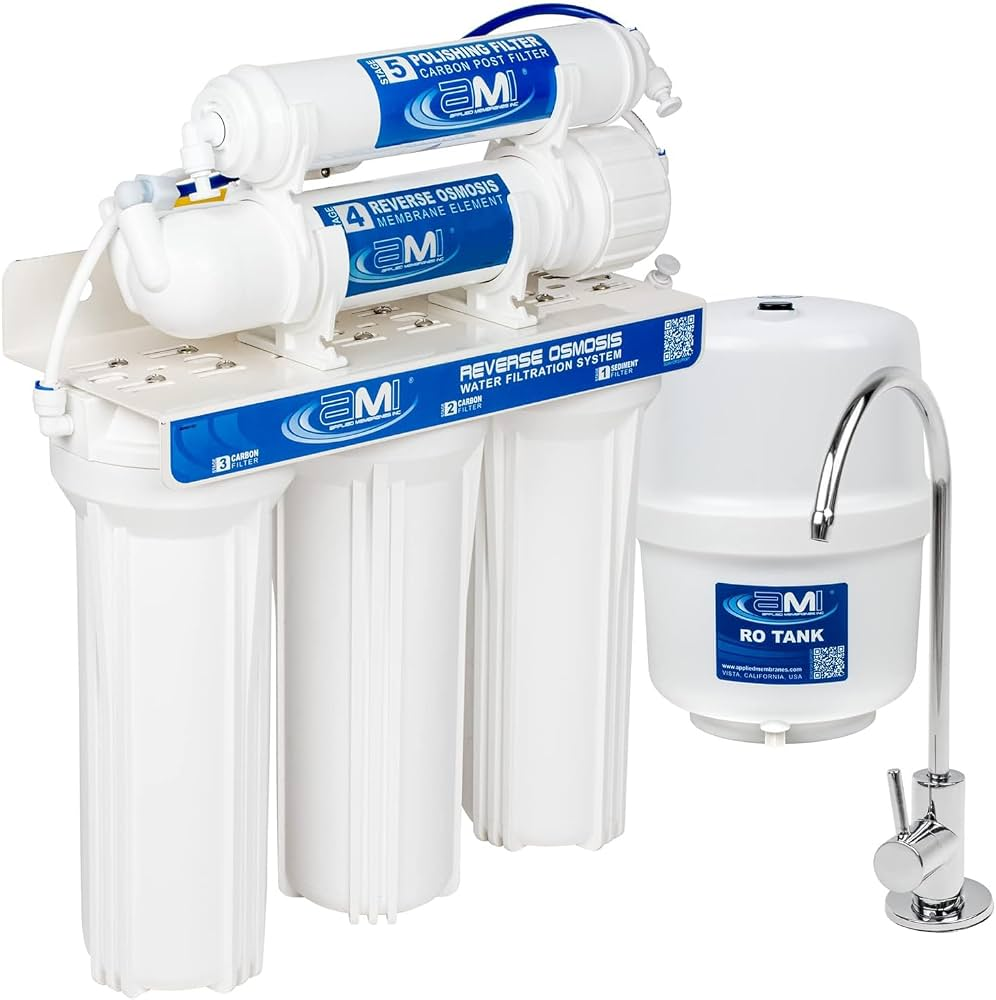
You do not need a filter for safety in a normal Medellín home connected to the public system. Some people use one because they prefer the taste. Chlorine can be noticeable, especially to visitors who are used to softer or less treated water.
A basic pitcher filter can improve the flavour, but it should be cleaned and replaced as directed. A neglected filter can become less hygienic than the tap water it was supposed to improve.
For a short visit, I would bring a reusable bottle and use the tap. There is little reason to spend money on plastic bottles every day unless your accommodation gives you a specific warning.
Will Medellín’s water upset your stomach?
Safe tap water should not make a healthy visitor ill simply because it comes from another country. When travellers develop stomach problems, food handling, unfamiliar meals, alcohol, poor hand hygiene and viruses are often more likely causes than Medellín’s municipal water.
That said, if several people in the same accommodation become sick, or the water has an odd appearance or smell, stop drinking it and contact the host. Persistent diarrhoea, fever, blood in the stool, severe pain or signs of dehydration are reasons to seek medical advice rather than trying to guess the cause.
Can you drink tap water everywhere in Colombia?
No single rule works for the whole country. Water quality can change between cities, towns, rural areas and even individual properties. Bogotá and several other large cities have potable municipal supplies, while some coastal, rural and remote areas require filtered or bottled water.
The safest habit is simple: ask your accommodation whether the tap water is potable at that exact property. Do not rely on a blanket claim that every place on the coast is unsafe or that every large city is fine. Local supply and building maintenance both matter.
What about Medellín’s altitude?
Medellín sits at roughly 1,500 metres, or about 4,900 feet, above sea level. That sounds high if you live near the coast, but it is well below the level where acute mountain sickness usually becomes a concern.
The US Centers for Disease Control and Prevention begins its main high-altitude illness guidance at around 2,500 metres (8,200 feet). Medellín is about 1,000 metres below that threshold, so genuine altitude sickness is very unlikely during an ordinary city visit.
You may still feel more tired than expected while walking uphill. That is usually because Medellín is steep, warm and humid, not because you have mountain sickness. A long flight, poor sleep and dehydration can add to the feeling.
What you may notice
You become breathless on steep streets or stairs sooner than expected.
The sun feels stronger, so sunscreen and a hat matter even on cloudy days.
You need more water while walking, especially during the warmer part of the day.
Higher places around the valley feel cooler and may require a light jacket.
Higher places near Medellín
Some popular trips take you higher than the city. Parque Arví ranges roughly from 2,200 to 2,600 metres, and parts of Santa Elena are also considerably higher than central Medellín. Most visitors still feel fine, but the cooler air, hills and physical activity can make the day more tiring.
Bogotá is a different case. At about 2,640 metres, it is high enough for some new arrivals to feel a headache, tiredness or shortness of breath during the first day. If your Colombia trip includes much higher Andean destinations, take altitude advice for those places separately rather than using Medellín as the reference point.
My practical advice
Drink the tap water in a normal urban Medellín hotel or apartment unless the property tells you not to.
Carry a reusable bottle; it saves money and avoids unnecessary plastic.
Ask about the water source at rural properties, fincas and small-town accommodation.
After an interruption, wait for the water to run clear and check local notices if anything seems unusual.
Do not worry about altitude sickness in the city, but pace yourself on the hills and protect yourself from the sun.
My view: Medellín’s safe tap water is one of those small advantages that makes a visit easier. Fill your bottle before going out, spend the saved money on coffee, and use bottled or filtered water only when a particular property or destination gives you a reason to.
Frequently asked questions
Can tourists drink tap water in Medellín?
Yes. The treated municipal water supplied across urban Medellín is suitable for human consumption. Check first only when staying in a rural property, a building with a known tank problem or somewhere affected by a temporary service issue.
Can I brush my teeth with tap water?
Yes. You can use Medellín tap water for brushing your teeth, washing produce and making coffee or tea.
Is ice safe in Medellín?
Ice at established restaurants, cafés, bars and hotels is normally safe. Ask about the water source in remote or rural places if you are unsure.
Should I buy bottled water?
Usually not. A reusable bottle filled from the tap is enough for most visitors. Bottled water is useful when travelling to a place with an uncertain supply or when your accommodation advises against the tap.
Is Medellín high enough to cause altitude sickness?
For almost everyone, no. Medellín is around 1,500 metres above sea level, while altitude illness becomes a more relevant concern from roughly 2,500 metres.
Why do I feel out of breath in Medellín?
The hills, heat, humidity, travel fatigue and lack of fitness are more likely explanations than altitude sickness. Slow down, drink water and take breaks. Seek medical care if breathlessness is severe, sudden or accompanied by chest pain.