| The quick version: Medellín can be a very good place to live if you have stable income, are willing to learn Spanish and can accept bureaucracy, traffic and the need for everyday street awareness. The weather, public transport, private healthcare and social life are real advantages. The city is no longer extremely cheap, and it is not an English-speaking version of home. Visit for at least a month before signing a long lease or making a permanent move. |
I moved to Medellín in 2018. Since then, I have watched the city become one of Latin America’s best-known destinations for remote workers, retirees and foreigners looking for a different pace of life.
Some people arrive and feel at home almost immediately. Others discover that the version they saw online left out the noise, paperwork, language barrier and constant small adjustments that come with living abroad.
This guide is not meant to sell Medellín as paradise or warn everyone away. It explains what daily life is actually like, what it costs, who tends to enjoy it and what you should arrange before moving.
Table of Contents
Living in Medellín at a glance
| Question | Practical answer |
| Who does Medellín suit? | Remote workers, retirees, entrepreneurs and people comfortable learning Spanish |
| Who may struggle? | People expecting very low costs, perfect safety, silence or an English-speaking lifestyle |
| Good first neighborhoods | Laureles, Manila, Envigado, Sabaneta and parts of Belén |
| Suggested trial stay | At least one month before signing a long lease |
| Comfortable solo budget | Roughly COP 6.5-10 million a month, depending heavily on rent and lifestyle |
| Spanish needed? | Not for a short visit; strongly recommended for normal adult life |
Is Medellín a good place to live?
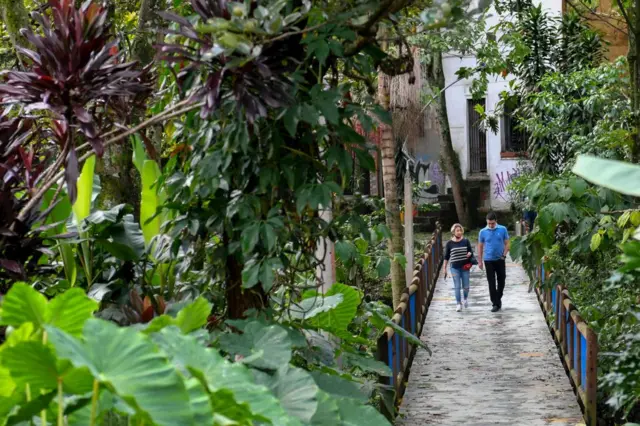
For the right person, yes. The climate makes daily life easy, many neighborhoods are green and walkable, and it is possible to build a full social life without owning a car. The city also has a large international community, so newcomers do not have to start completely alone.
The strongest reason to live here is not that everything is cheap. It is the combination of weather, convenience, social life and access to the rest of Colombia. You can work in a café in the morning, take the Metro across the city, exercise outside in the evening and spend the weekend in a mountain town.
Medellín works less well for people who need everything to be predictable. Rules may be interpreted differently by different offices, repairs can take longer than promised, addresses confuse new arrivals and a simple administrative task can use half a day.
Who tends to enjoy living here?
Remote workers with dependable income from outside Colombia
Retirees who want warm weather and access to private healthcare
People who enjoy social cities and do not mind background noise
Spanish learners who want daily practice
Travellers who use Medellín as a base for exploring Colombia
People who can solve small problems without becoming angry every time
Who may be happier elsewhere?
People who expect to live comfortably on an extremely small budget
Anyone who needs quiet streets and perfect air quality
People unwilling to learn even basic Spanish
Visitors who find everyday security habits exhausting
Anyone who wants a city where administration is fast and consistent
People mainly attracted by nightlife, dating or an online fantasy of Medellín
How much does it cost to live in Medellín?
Medellín is still cheaper than many large cities in North America and Western Europe. It is not as cheap as older blog posts suggest, especially in El Poblado, Laureles and furnished rentals aimed at foreigners.
Rent is the biggest variable. A long-term unfurnished apartment arranged locally can cost far less than a furnished monthly rental advertised in dollars. Imported food, frequent restaurant meals, taxis and weekend trips can also raise the budget quickly.
| Lifestyle | Housing | Typical habits | Rough monthly total |
| Careful local lifestyle | Room or modest local apartment | Cook often, use public transport, limited nightlife | COP 4.5-6.5 million |
| Comfortable solo lifestyle | Good one-bedroom apartment | Eat out regularly, gym, social life and some trips | COP 6.5-10 million |
| High-end or Poblado lifestyle | Premium furnished apartment | Frequent restaurants, rides, nightlife and travel | COP 10 million or more |
These are planning ranges, not promises. Exchange rates, rent, family size and personal habits matter more than any average. A couple does not necessarily spend twice as much as one person, while families may spend much more on housing, schools and transport.
Where should you live?
Do not choose a neighborhood only because it is popular with foreigners. The right area depends on how long you are staying, whether you have a car, how much noise you accept and whether you want local life or an international bubble.
Laureles
Laureles is the easiest all-round choice for many remote workers. It is relatively flat, walkable and full of cafés, gyms, supermarkets and restaurants. The main drawback is noise around La 70 and entertainment streets, along with rents that have risen sharply.
Manila and El Poblado
El Poblado has the most English, international restaurants, coworking spaces and short-term housing. Manila is calmer and easier to live in than the busiest parts of Provenza and Parque Lleras. The trade-off is price, hills, traffic and a lifestyle that can feel disconnected from the rest of the city.
Envigado
Envigado feels more local and settled while remaining close to El Poblado. It suits longer stays, couples and people who do not need to be surrounded by other foreigners. Some areas are hilly, and good apartments near popular streets are no longer especially cheap.
Sabaneta
Sabaneta is calmer, denser and farther south. It works well for people who want a normal residential routine and do not mind longer trips to central Medellín. Staying close to the Metro makes a major difference.
Belén and La Floresta
These areas can offer better value and a more Colombian daily life. They are useful for people with some Spanish who do not need a large expat community. Housing quality varies block by block, so visit in person during both day and night.
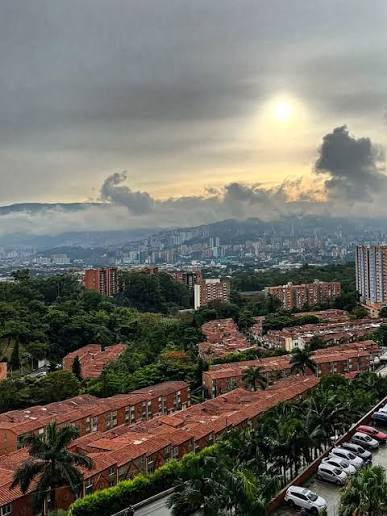
For a detailed comparison, read Where to Stay in Medellín and The Best Areas for Digital Nomads.
Renting an apartment
Start with a short-term rental. A neighborhood that feels perfect during a weekend may become tiring after a month because of traffic, construction, hills, barking dogs or nightlife.
Long-term Colombian leases can require proof of income, a guarantor, insurance or several months of advance payment. Foreigners without local credit history often use furnished agencies, direct owner agreements or temporary rentals while they build documents and contacts.
Visit the apartment in person whenever possible.
Check water pressure, hot water, noise and mobile signal.
Ask whether utilities and administration fees are included.
Confirm rules for guests, pets and short absences.
Read the early-termination clause before signing.
Photograph the condition of the apartment on move-in day.
Do not transfer a large deposit to an unverified listing.
A beautiful view often means a steep hill. A cheap apartment near nightlife may be cheap for a reason. Open the windows, stand quietly for several minutes and visit after dark before committing.
Visas and legal stay
Many nationalities can visit Colombia without arranging a visa in advance. The initial permission is often up to 90 days and may be extended, without exceeding 180 days in the same calendar year.
People planning to live here need a status that matches what they are actually doing. Colombia uses Visitor, Migrant and Resident visa categories.
The Digital Nomad Visa is a Visitor visa for qualifying remote workers paid from abroad and can be granted for up to two years.
Migrant visas cover routes such as marriage, employment, pension and qualifying investment.
Resident visas are for people who have reached a permanent-residence route.
A visa may limit the type of work you can perform.
Visa rules and minimum-wage-linked income requirements can change every year.
Use the updated Colombia Visa Guide as a starting point, then verify the exact category with Cancillería.
| Tax warning: Immigration status and tax residency are different. Spending more than 183 days in Colombia during any period of 365 consecutive days can make you a Colombian tax resident. Foreign income, assets, treaties and filing duties can make the result complicated, so speak to a Colombian tax professional before crossing the threshold. |
Banking, phones and everyday paperwork
Daily life becomes easier after you have a cédula de extranjería, a Colombian phone number and a local bank or digital-wallet account. Before that, many systems are possible to use but more awkward.
Foreign cards work widely, but local transfers are common for rent, small businesses and services. Colombia’s Bre-B system has made instant transfers between participating banks and wallets easier, although foreigners still need the right identification to open many accounts.
See Banks in Colombia and the eSIM and SIM Card Guide for the practical setup.
Healthcare
Medellín has a large private healthcare sector, modern hospitals and many specialists. Private appointments and tests can cost much less than in the United States, but that does not mean healthcare is free or that every clinic offers the same standard.
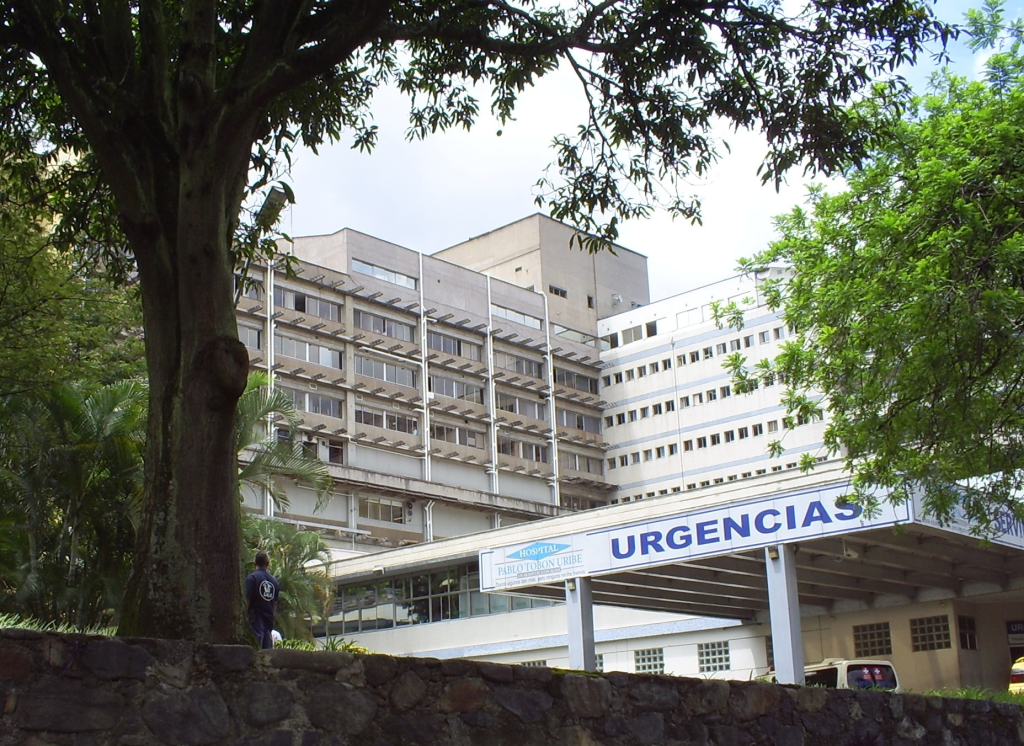
Residents may be able or required to join Colombia’s EPS health system depending on their status. Many foreigners also buy private insurance, international coverage or medicina prepagada for faster access and a wider choice of doctors.
Arrange insurance before you need it.
Check exclusions for pre-existing conditions.
Confirm whether the policy works for visa purposes.
Keep emergency details and medications saved in Spanish.
Use established clinics for serious procedures, not only social-media advertising.
For a short stay, travel insurance may be enough. For a move, compare long-term coverage carefully and ask how emergency care, specialist appointments and hospital admission work.
Do you need Spanish?
You can survive with little Spanish in El Poblado and parts of Laureles. Living a normal adult life is different. Landlords, building managers, delivery drivers, bank staff, technicians and government offices may speak little or no English.
You do not need fluency before arriving. Basic conversation, numbers and the confidence to ask someone to repeat themselves will save money and reduce frustration.
The practical language situation is explained in Do They Speak English in Medellín?.
Getting around
Medellín’s Metro is one of the strongest reasons to live near the centre of the valley. The system connects trains, cable cars, trams and buses, although it does not serve every neighborhood equally.
In 2026, a standard frequent-user journey costs COP 3,820, while occasional users generally pay COP 4,400. Living within a comfortable walk of a station can save money and time, especially if you do not want a car.
App-based rides and taxis are useful at night or when the destination is far from the Metro. Traffic can be severe during rush hour, rain and Friday afternoons. A journey that takes 20 minutes at noon may take an hour later.
For routes and cards, use the Medellín Metro Guide.
Safety as a resident
Living safely in Medellín is mostly a set of habits. You stop checking your phone beside the road, use known transport at night, choose ATMs inside secure buildings and pay attention when a stranger creates urgency.
The routine can feel normal after a while, but it does not disappear. Some residents find that level of awareness tiring, particularly if they come from a place where phone theft is rare.
Keep expensive phones and watches discreet.
Use app-based transport after late nights.
Do not bring unknown people into your home.
Learn the streets around your neighborhood before walking alone late.
Use a building with sensible access control rather than choosing only by view.
Call 123 in an emergency.
Read the full Medellín Safety Guide and the local rule of No Dar Papaya.
Weather, air quality and noise
Medellín’s mild temperatures are a real advantage. Days are usually warm without becoming brutally hot, and evenings are comfortable. Rain is common, especially during the wetter parts of the year, but it often arrives as a heavy afternoon or evening shower rather than an entire day of rain.
The valley’s geography also traps pollution. Air quality tends to become a greater concern during seasonal transition periods, often around March-April and October-November. People with asthma or other respiratory conditions should monitor SIATA and consider living higher on the valley sides or outside the busiest traffic corridors.
Noise is the less discussed issue. Music, motorcycles, construction, dogs and street vendors are part of daily life. Double glazing is not standard. If you need silence for sleep or work, inspect the apartment with the windows open.
For rain and seasonal patterns, see Medellín Weather by Month.
Food, shopping and tap water
Everyday food is affordable when you shop in local supermarkets, produce shops and markets. Imported cheese, cereal, sauces and alcohol can cost far more than local alternatives.
Restaurant prices vary enormously. A set lunch in a local neighborhood may cost a fraction of dinner in Provenza. Learning where residents eat makes a larger difference to your budget than searching for one supposedly cheap neighborhood.
Tap water supplied by EPM in the main urban area is generally treated and suitable for drinking. The condition of an individual building’s pipes or storage tank can still matter, particularly after service interruptions.
For more detail, see Can You Drink the Tap Water in Medellín? and Colombian Food.
Making friends and building a routine
Medellín is a social city, but friendships do not appear automatically. Foreigners who work from home can spend weeks moving between an apartment, gym and café without building deeper connections.
Join a regular class rather than attending only one-off events.
Use coworking spaces when remote work becomes isolating.
Try a language exchange, sports club or volunteer group.
Make Colombian friends as well as other foreigners.
Avoid building your entire social life around nightlife.
Learn enough Spanish to take part when the conversation changes language.
A routine is usually what turns Medellín from a destination into a home. The city feels different once you know the people at the corner shop, understand your building and have places you return to each week.
The honest downsides
Bureaucracy
A bank, visa office or mobile provider may ask for a document you were not told about. Keep digital and printed copies of passports, visas, contracts, insurance and official records.
Rising rents and local resentment
Short-term rentals and foreign demand have pushed prices higher in popular areas. Do not assume that a price is fair simply because it feels cheap in euros or dollars. Learn normal local ranges and avoid treating every apartment as an investment opportunity.
Traffic and construction
The valley has limited space, a growing population and constant building work. Choosing a location near your normal destinations matters more than choosing the most famous neighborhood.
Security fatigue
Most days are uneventful, but the habit of hiding a phone and planning late-night transport can wear on people who are not used to it.
The expat bubble
It is possible to live in Medellín while learning very little about Colombia. Imported food, English-speaking services and foreign social circles make life easy but can leave the experience shallow and expensive.
A sensible way to move to Medellín
Visit first for at least one month.
Stay in two different neighborhoods before choosing a base.
Track your real monthly spending rather than using online estimates.
Choose the correct visa and understand the tax implications.
Use a temporary rental while learning the housing market.
Arrange health insurance.
Get a local phone number and organise banking.
Start learning Spanish immediately.
Build a weekly routine and social network.
Reassess after six months before buying property or making permanent commitments.
Moving slowly costs more at the beginning but prevents expensive mistakes. A month in temporary housing is cheaper than a year in the wrong apartment.
Frequently asked questions
Is Medellín still cheap for foreigners?
It can still be affordable compared with large cities abroad, but the popular foreign neighborhoods are no longer extremely cheap. Housing and imported goods are where expectations are most likely to be wrong.
Can I live in Medellín without a car?
Yes, especially in Laureles, El Poblado, Envigado or Sabaneta when you choose a home near your normal destinations or the Metro. A car can become more trouble than it is worth because of traffic and parking.
Can I live in Medellín without Spanish?
You can manage at first in international areas. Long-term life becomes much easier with Spanish, especially for housing, healthcare, banking, repairs and government processes.
How long should I visit before moving?
One month is a useful minimum. Stay long enough to work, shop, commute, experience rain and deal with ordinary problems rather than treating every day like a holiday.
Which neighborhood is best for expats?
There is no universal answer. Laureles suits many remote workers, Manila offers the easiest international setup, Envigado is good for a calmer long stay, and Sabaneta works for people who value routine over central location.
Is Medellín safe enough to live in?
Many foreigners live here for years without serious incidents. Safety depends partly on area and partly on habits. Opportunistic theft, nightlife and new online contacts deserve more caution than ordinary daytime life.
Does the Digital Nomad Visa lead to permanent residence?
Normally no. It is a Visitor visa. People who want a route toward residence need to examine qualifying Migrant visa categories and obtain professional advice for their situation.
Will I become a Colombian tax resident?
You may become tax resident after spending more than 183 days in Colombia during a rolling 365-day period. Other rules can also matter. A visa adviser is not automatically a tax adviser, so discuss this separately with a qualified accountant.
| Medellín is easy to fall for and harder to understand. Give yourself time before making big decisions. Learn Spanish, live through ordinary weeks and choose a neighborhood based on your real routine. The city can offer an excellent life, but it works best when you move here for what it is—not for the version sold online. |