Cali rarely wins visitors with polished first impressions. The traffic is busy, the heat can feel heavy, and the city asks for more awareness than Colombia’s most established tourist destinations. Then the music starts, dancers fill a small floor with impossibly quick footwork, and the city begins to make sense.
This is Colombia’s best city for travelers who want salsa, Afro-Pacific culture and food with a strong regional identity. Cali also has worthwhile museums, hilltop views, green spaces and historic streets. It is not a place to rush through with a checklist. The most rewarding visit mixes one or two landmarks with a dance class, a long meal and time to watch everyday life.
The guide below keeps the useful ideas from the original article while correcting the weaker parts. It avoids treating entire neighborhoods as stereotypes, adds practical transport and safety advice, and makes clear which attractions require current confirmation before you go.
Table of Contents
Cali at a glance
| Planning question | Practical answer |
| How long to stay | Three days is enough for the main city sights. Four or five days allows time for classes, museums and nature. |
| Best for | Salsa, live culture, Pacific food, warm weather and travelers who enjoy cities with a strong local identity. |
| Best base | San Antonio for atmosphere; El Peñón or Granada for restaurants and convenient transport; Ciudad Jardín for a quieter southern base. |
| Airport | Alfonso Bonilla Aragón International Airport is outside Cali near Palmira. Arrange the transfer before leaving the terminal. |
| Getting around | Use the MIO for selected daytime routes and app-booked or authorized taxis when the route is unfamiliar or after dark. |
1. Take a salsa class before you watch the experts
Cali is widely known as the world capital of salsa, but the city’s importance is not based on a slogan alone. Salsa is part of family life, neighborhood identity, competitions, stage shows and social gatherings. The local style is famous for rapid footwork and precise timing, yet beginner classes start slowly and do not expect prior experience.

A first lesson is often more useful than immediately going to a busy dance venue. It teaches the basic rhythm, shows how partners communicate and makes the city’s dance culture easier to understand. Many schools offer individual lessons, small-group classes and short packages for visitors. Ask whether the instructor regularly works with beginners and whether the quoted price is per person or per class.
Choose an established school with a clear address, recent reviews and direct booking information. Younger visitors and families should confirm age policies in advance. A daytime class is also an easy activity for anyone who wants the salsa experience without late-night plans.
2. Watch salsa as a performance, not just a night out
Cali’s best dancers are athletes as much as entertainers. A professional show makes the speed and control of the local style far easier to appreciate than a crowded social floor. Delirio is the best-known large production, combining salsa, circus and live music, but it operates on selected dates rather than every night. Tickets and schedules should be checked through the official organizer.
Smaller cultural events, dance-school showcases and festival performances can be just as memorable. The Plazoleta Jairo Varela and other public stages regularly host dance events, especially around major city festivals. Check the city culture calendar and the official tourism channels close to your visit instead of relying on an old list of venues.
Some evening venues are intended for adults and may have minimum-age rules. The article therefore does not present clubs as the only way to experience salsa. Classes, museums, public performances and stage productions offer a fuller view of the culture.
3. Spend late afternoon in San Antonio
San Antonio is Cali’s best-known historic neighborhood and the easiest place for a first-time visitor to slow down. The steep streets hold old houses, small restaurants, cafés, workshops and guesthouses. At the top, the park around the chapel becomes a social space near sunset, with families, couples, storytellers and vendors gathering for the view.
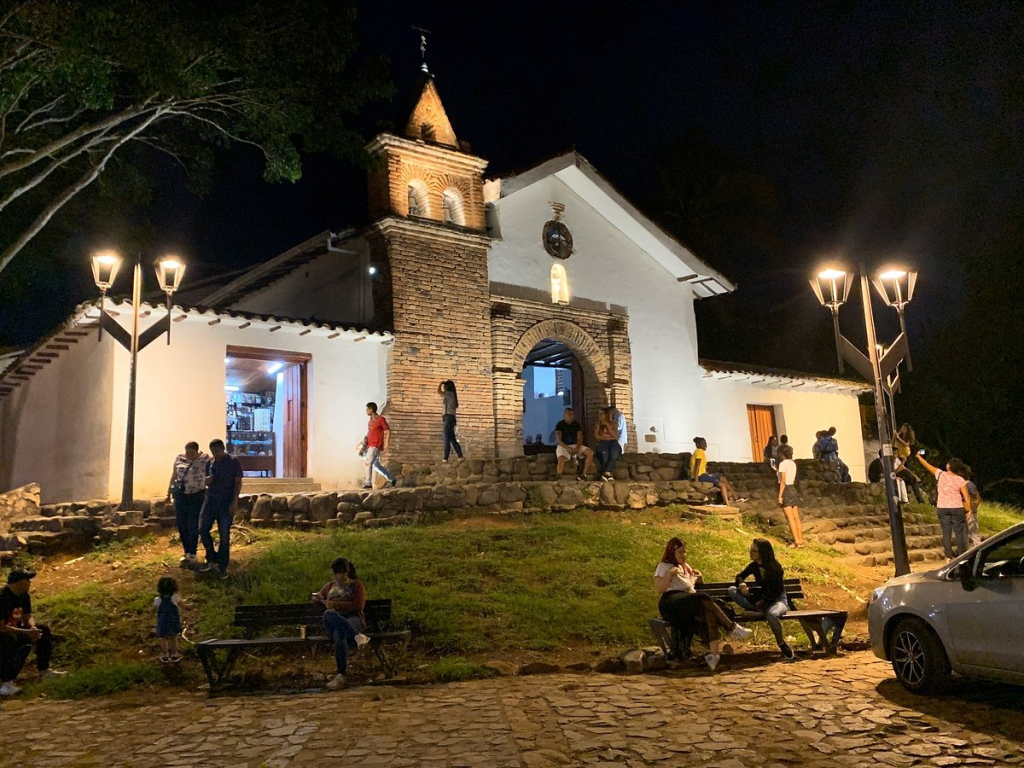
The neighborhood works best as a late-afternoon plan: walk while there is still daylight, visit a café or gallery, then watch the sky change from the hill. The streets are uneven and some slopes are demanding, so comfortable shoes matter. San Antonio is active, but it is still a residential neighborhood. Keep noise down, use established businesses and avoid blocking doorways for photographs.
The city has also studied visitor capacity in San Antonio because heavy tourism affects local residents. That is a useful reminder that “authentic” neighborhoods are not attractions built only for visitors. Spend locally and treat the area as someone’s home.
4. Walk the Bulevar del Río and see La Ermita
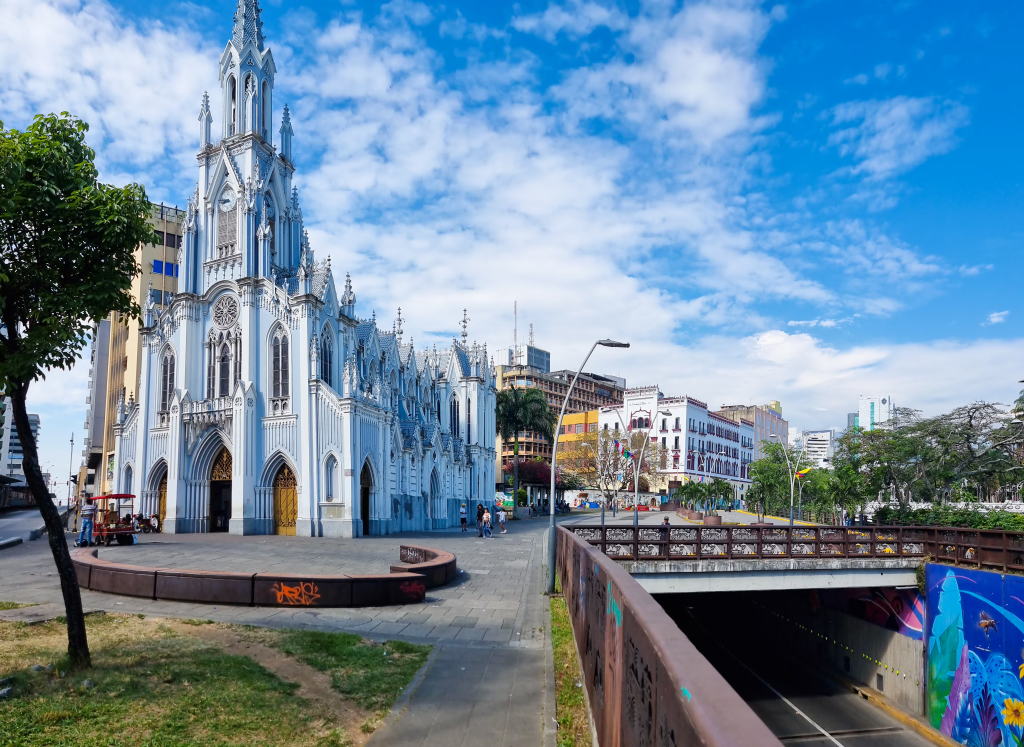
The Bulevar del Río is the most comfortable introduction to central Cali. The pedestrian corridor runs above a road tunnel beside the Cali River and connects several landmarks. It is used for walks, public events and informal gatherings, making it easier to see the center without spending the whole time in traffic.
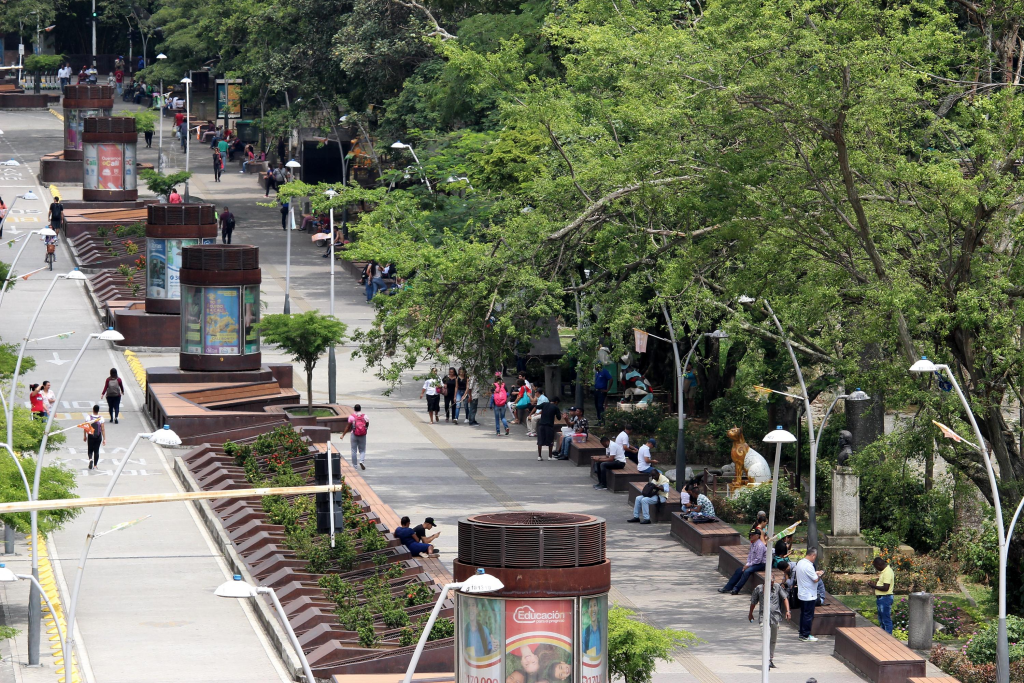
Nearby, La Ermita is the pale neo-Gothic church that appears in many photographs of the city. The Plazoleta Jairo Varela honors one of Cali’s most important salsa composers, while Plaza de Cayzedo remains the traditional civic center. The Iglesia de La Merced marks the area associated with the city’s colonial foundation.
Visit the center in daylight and plan a clear route rather than wandering without direction. Keep phones and cameras discreet between stops. A guided historical walk is worthwhile because the important stories are not always obvious from the buildings alone.
5. Meet the cats beside the river
El Gato del Río is one of Cali’s simplest and most likeable attractions. Hernando Tejada’s large bronze cat stands beside the river, and a series of decorated cat sculptures extends along the walkway. Each one has a different design and personality.
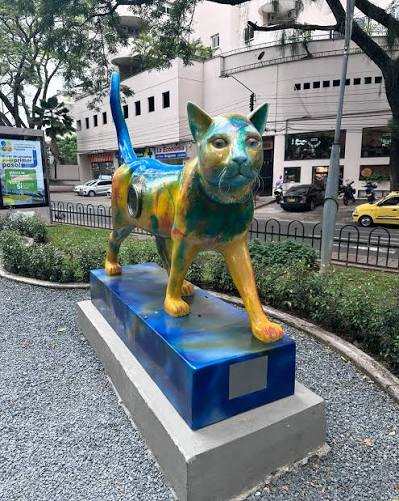
The walk is free, easy to combine with the Bulevar del Río or Museo La Tertulia, and suitable for a relaxed morning or afternoon. It is more enjoyable when treated as part of a riverside route rather than a destination requiring a long separate trip.
6. Visit Museo La Tertulia
Museo La Tertulia is the city’s main modern and contemporary art museum. Its complex beside the river includes exhibition spaces, a cinematheque and outdoor areas. The changing program is the main reason to visit, so check the current exhibitions and film schedule before deciding how much time to allow.
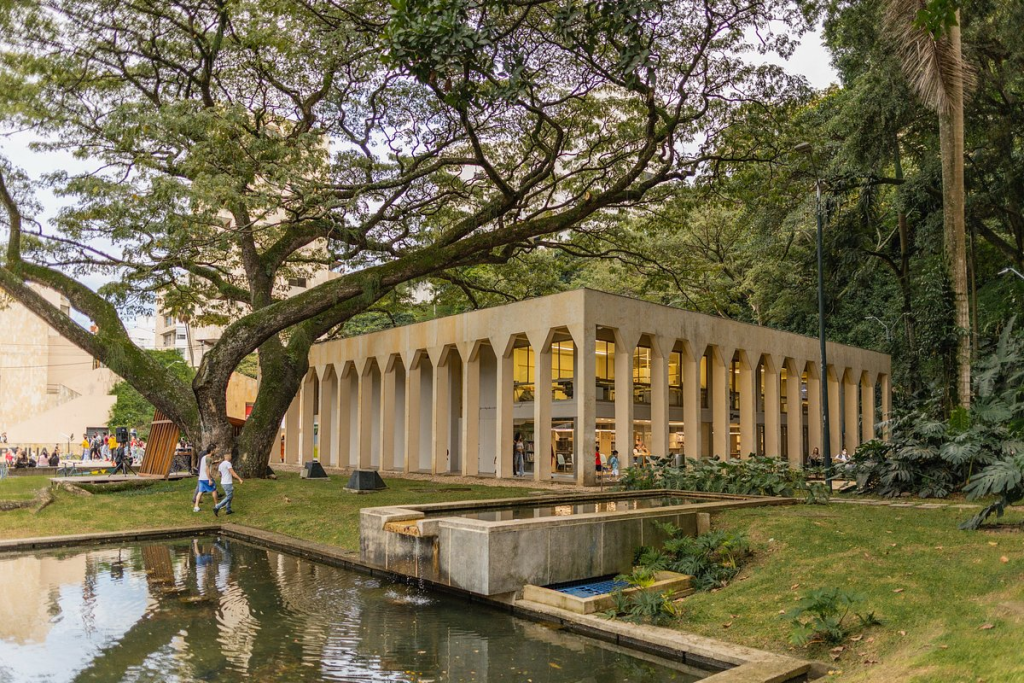
The museum is a good counterpoint to Cali’s louder image. It shows that the city’s cultural life also includes visual art, archives, experimental film and public discussion. Combine it with the river cats and a walk through El Peñón or San Antonio.
Hours, admission prices and film times change. Use the museum’s official website or current social channels rather than copying a schedule from an old travel post.
7. Learn about the region at Museo del Oro Calima
The free Museo del Oro Calima focuses on the pre-Hispanic cultures of the southwest and the Calima region. Its collection includes metalwork, ceramics and other archaeological objects that help explain the area long before modern Cali grew into a major city.
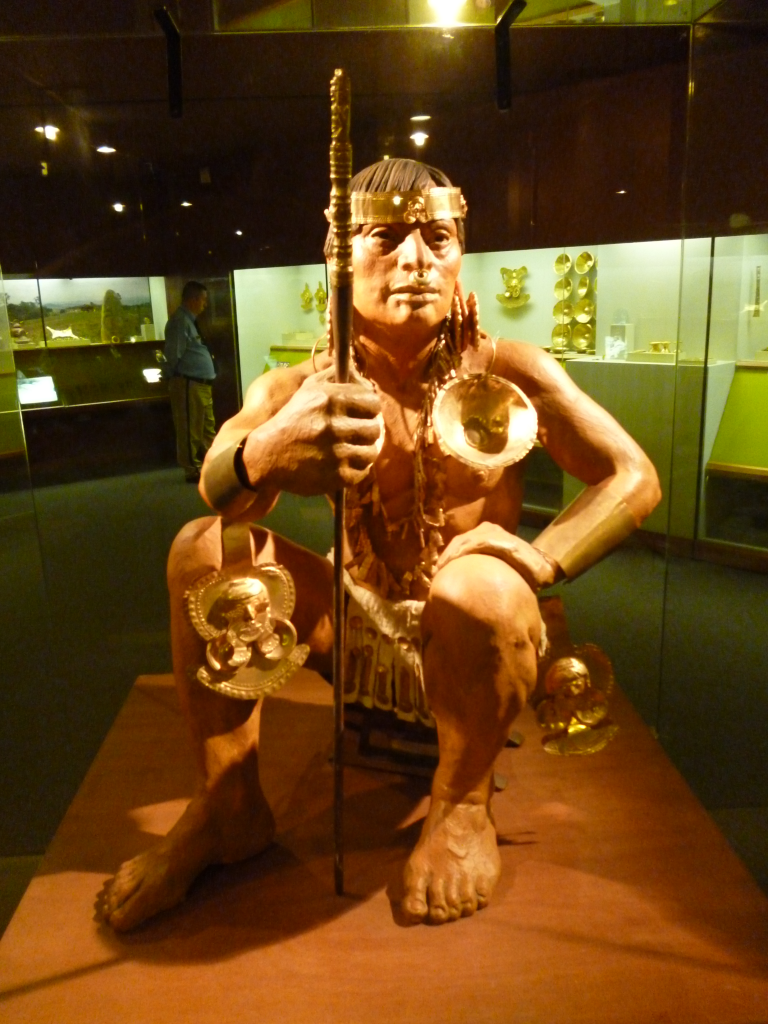
The museum is smaller than Bogotá’s famous Gold Museum, which makes it easy to visit in about an hour. The Banco de la República currently lists regular opening from Tuesday to Saturday, but travelers should confirm holiday closures. It is closed on Sundays and Mondays under the published schedule.
This is one of the best daytime stops for families, history-focused visitors and anyone who wants more context than a standard sightseeing route provides.
8. See the city from Ecoparque Cristo Rey
Cristo Rey stands on Cerro de los Cristales above western Cali. The monument has long been a city symbol, but the wider experience changed with the development of Ecoparque Cristo Rey. Visitors now encounter landscaped sections, viewpoints and controlled access arrangements rather than only a roadside statue.
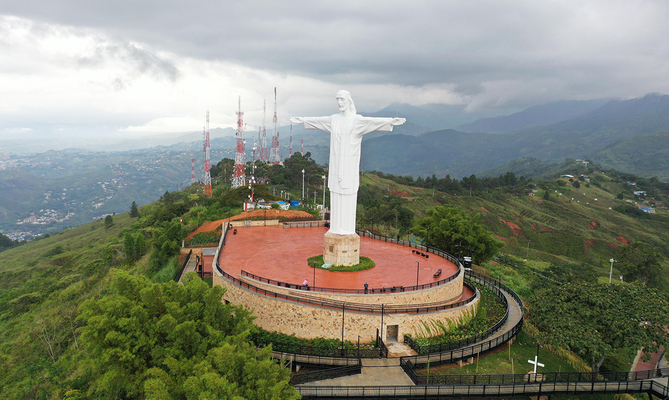
The panorama is the main attraction. On a clear day, the city spreads across the valley with the mountains behind it. Go during official operating hours and use organized transport. Walking the access road alone is not a sensible visitor plan, and temporary traffic controls may apply during busy periods or religious holidays.
Operating blocks have changed more than once since the ecopark reopened. Cali’s official pages have published separate hours for athletes, general visitors and evening access. Check the current municipal notice on the day of the visit instead of assuming an old timetable remains valid. Entry has been advertised as free, but registration or capacity controls may be introduced for certain periods.
9. Treat Las Tres Cruces as an organized daytime hike
Cerro de las Tres Cruces is a local exercise route with a demanding climb and broad views. It is not simply another urban viewpoint. Heat, steep ground and security conditions make preparation important.
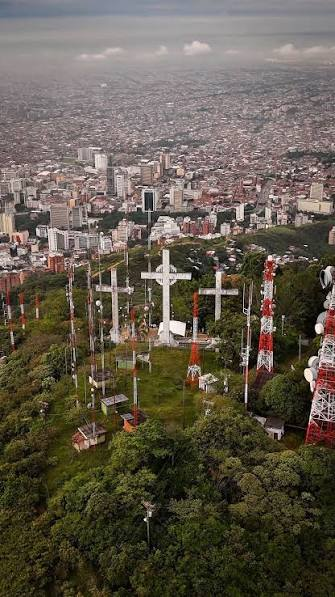
Go early, in daylight and preferably with people who know the route. Carry water, sun protection and only the belongings you need. The city sometimes organizes controlled access and institutional support during high-traffic dates such as Holy Week. Follow any closures or route instructions rather than entering from an unofficial path.
Travelers seeking an easier view should choose Cristo Rey or San Antonio instead. There is no prize for completing a hill that does not match your fitness or comfort level.
10. Understand Cali through its Afro-Pacific culture
Cali’s identity is inseparable from migration from Colombia’s Pacific region. That influence is present in music, dance, language, food, hair traditions, fashion and community life. It should not be reduced to a quick photo stop or a single festival.

The city’s tourism office has been developing Afro-tourism and community routes, including cultural work in neighborhoods such as Obrero. These experiences are strongest when led by local organizations that explain the people and history behind the music. Look for official or community-run routes with transparent guides and meeting points.
The Festival de Música del Pacífico Petronio Álvarez is the largest expression of this culture on the visitor calendar. In 2026, Cali’s official cultural program lists the festival from August 9 to 17. Music competitions are only one part of it: food, traditional drinks, crafts, fashion and regional knowledge are central to the experience. Large events require extra planning for transport, crowds and accommodation.
11. Eat the food that makes Cali different
Cali’s food is one of the strongest reasons to visit. The city combines Valle del Cauca traditions with the flavors of the Pacific coast. A good food day might include pandebono in the morning, a market lunch, a cold lulada in the afternoon and Pacific fish or seafood cooked with coconut later on.

Local foods worth looking for include aborrajado, a ripe-plantain preparation commonly filled with cheese; marranitas made with green plantain; empanadas vallunas; sancocho de gallina; champús; cholado; chontaduro; manjar blanco; and lulada. Not every version will be identical because recipes vary by family and region.
Galería Alameda is one of the best places to understand the ingredients behind the dishes. A guided market visit can help with unfamiliar fruits and foods, but you can also go independently during active daytime hours. Choose busy stalls, confirm prices before ordering and follow normal food-safety judgment. Travelers with allergies should ask about coconut, dairy, peanuts, shellfish and shared frying oil.
12. Cool down in Cali’s green south
The southern edge of Cali becomes greener as the city approaches the Farallones. Pance is the classic local escape, with river areas, restaurants and routes into the foothills. Weekends can be crowded, while weekday mornings are calmer.
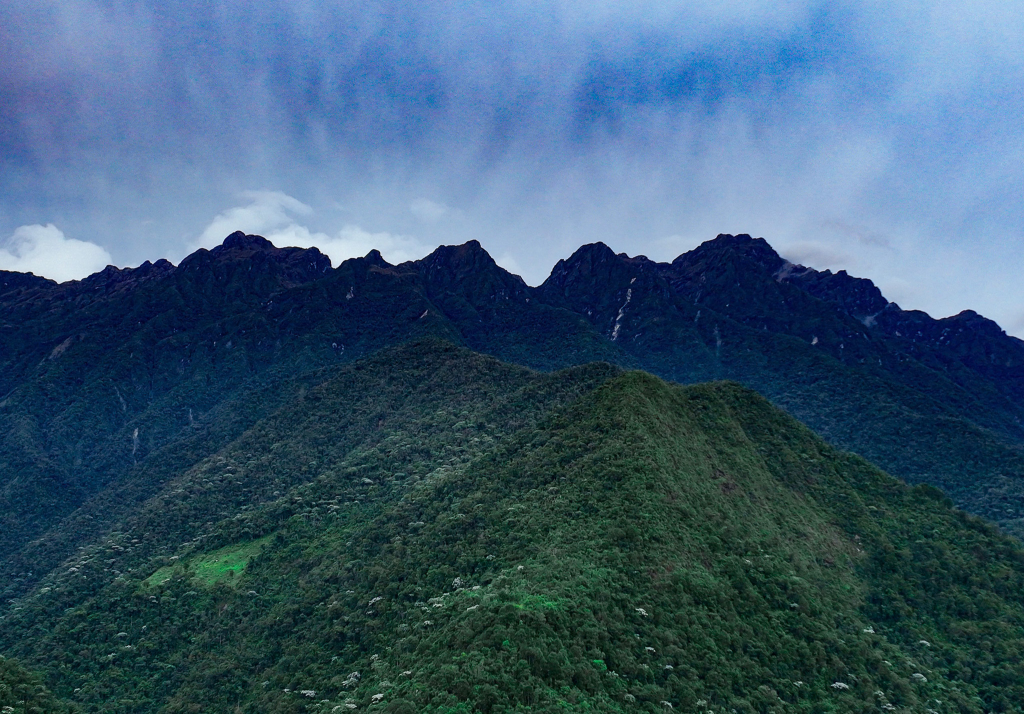
Do not assume every riverbank or trail is equally safe or officially open. Water levels can change quickly after rain, and protected areas may require guides or prior arrangements. Use established recreation areas, follow local environmental rules and avoid entering remote trails without a registered guide.
For an easier nature stop, Ecoparque Lago de las Garzas offers walking paths, birds and a quieter environment inside the city. It is a better choice for families or visitors who want greenery without a full hiking day. Check current opening hours and weather before traveling south.
13. Time your trip for one of Cali’s major festivals
Cali’s calendar can change the entire experience of the city. The Petronio Álvarez festival in August is the best period for Pacific music and culture. The Feria de Cali takes over the city in the final week of December with dance, parades, concerts and public events. Its best-known feature is the Salsódromo, where dance schools perform in a large parade.

Festival travel requires earlier booking and more patience. Hotels cost more, roads close, transport takes longer and tickets for headline events can disappear quickly. Many public activities are free, but official ticketed events should be bought only through the organizer or its stated sales partner.
Travel outside festival dates has advantages: shorter lines, cheaper rooms and more space in classes and museums. Cali’s cultural identity does not disappear when the main stages come down.
14. Choose day trips carefully
The wider region offers historic towns, nature reserves and mountain landscapes, but conditions outside Cali can differ sharply from those inside the city. The current U.S. travel advisory, for example, distinguishes Cali from the rest of Valle del Cauca and advises against travel to parts of the surrounding department. Travelers should check the advice issued by their own government and ask locally about current road conditions before any excursion.
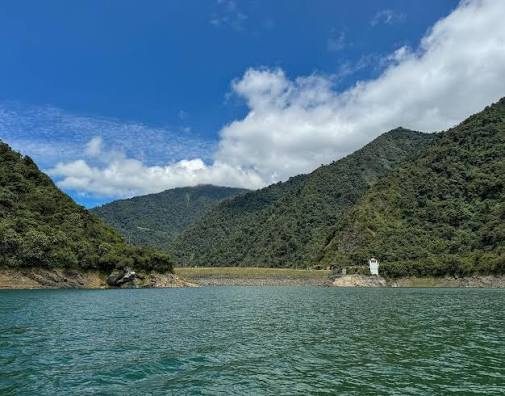
Commonly discussed trips include Hacienda El Paraíso, the destination linked to Jorge Isaacs’s novel María; the pilgrimage city of Buga; Lago Calima; San Cipriano; and Popayán to the south. These are not all equal in distance, road conditions or risk. San Cipriano in particular should not be treated as an improvised solo journey simply because its rail carts and rivers look appealing online.
Use a registered operator when local knowledge is important, verify what is included and avoid accepting last-minute transport from an unknown person. A day trip is optional. Cali itself easily fills three or four days.
Where to stay in Cali
San Antonio
Choose San Antonio for character, small guesthouses and walkable access to cafés and the historic center. The slopes and uneven streets are the main drawbacks. Select accommodation with strong recent reviews and ask about late-night vehicle access before booking.
El Peñón and Granada
These areas work well for restaurants, comfortable hotels and short rides to many central attractions. Granada is busier and more commercial; El Peñón feels smaller and sits close to the river and museum district. Both are practical for first-time visitors.
Ciudad Jardín
Ciudad Jardín is a quieter, greener base in the south with shopping and restaurants. It suits longer stays, families and visitors with plans around Pance or southern Cali. The trade-off is distance from the historic center and some salsa attractions.
No neighborhood removes the need for normal precautions. Read recent accommodation reviews for the exact block, not only the district name.
Getting around Cali
Alfonso Bonilla Aragón International Airport is near Palmira rather than in central Cali. Transfer time varies heavily with traffic. Use the official airport taxi service, a prearranged hotel transfer or a transport option booked through a recognized platform. Confirm the destination and fare method before leaving.
The MIO bus system is useful for some major corridors, although it will not solve every tourist route. Metro Cali set the standard fare at COP 3,500 for 2026. Travelers need the system’s current payment method and should use the official route planner because services and station access can change.
For unfamiliar routes, hills and night journeys, an authorized taxi or app-booked ride is usually simpler. Wait inside until the vehicle arrives, check the plate and avoid hailing an unmarked vehicle. Traffic is a serious planning factor in Cali, so do not schedule airport transfers or ticketed events with little margin.
Is Cali safe for visitors?
Cali should be described honestly without turning millions of residents into a warning label. The city has real crime problems, and visitors need more deliberate planning than they might use in a small resort town. At the same time, broad claims that whole halves of the city are automatically forbidden are neither precise nor helpful.
Stay in a well-reviewed area, travel with a destination in mind and ask your accommodation about conditions on the exact route. Use hills and nature areas in daylight. Avoid displaying expensive phones, cameras or jewelry on quiet streets. Do not carry your passport unless it is genuinely required; keep a secure copy and store the original safely. Arrange transport before leaving an evening event.
Be cautious with new acquaintances and do not follow someone to an unplanned second location. Keep control of your food and drinks, and seek help immediately if you suddenly feel unusually confused or unwell. Call 123 for emergencies in Colombia. Travelers should also monitor current demonstrations, road closures and official travel advisories, especially before leaving Cali for another part of Valle del Cauca or Cauca.
A practical three-day Cali itinerary
Day 1: Historic Cali and San Antonio
Start at the Bulevar del Río, La Ermita and the Plazoleta Jairo Varela.
Visit the Museo del Oro Calima during its published opening hours.
Walk past El Gato del Río and continue toward Museo La Tertulia.
Finish in San Antonio before sunset, with dinner nearby.
Day 2: Salsa and regional food
Take a beginner salsa class in the morning or afternoon.
Visit Galería Alameda or book a guided market experience.
Rest before a scheduled dance performance, public event or organized cultural outing.
Day 3: Views and nature
Visit Ecoparque Cristo Rey during confirmed operating hours.
Choose Lago de las Garzas or an established area of Pance for a greener afternoon.
Return with enough time to avoid an unplanned late journey from the hills or southern edge of the city.
Frequently asked questions
Is Cali worth visiting?
Yes, especially for salsa, Pacific culture and regional food. It is less polished for international tourism than Cartagena or central Medellín, but that is not the same as having less to offer. Visitors who plan transport and neighborhoods carefully often find it one of Colombia’s most distinctive cities.
How many days do you need in Cali?
Three days covers the main city experiences. Four or five days is better if you want several dance classes, museums, nature and a relaxed pace. Add separate time only for carefully planned trips outside the city.
Do you need to know salsa before visiting?
No. Beginner classes are common, and watching professional dancers is enjoyable without taking part. Learning a few basic steps can make the music and social customs easier to understand.
When is the best time to visit Cali?
Choose August for the Petronio Álvarez festival and late December for the Feria de Cali. Outside those periods, the city is less crowded and accommodation is usually easier to find. Warm weather is normal throughout the year, while rain can interrupt outdoor plans in any season.
Can you visit Cristo Rey without a tour?
Yes, when official access is open, but use organized transport and confirm the current operating rules. The ecopark has used changing time blocks and capacity arrangements, so old opening hours should not be trusted.
Is the MIO useful for tourists?
It can be useful on major daytime routes, but it does not reach every attraction directly. For hills, the airport, unfamiliar neighborhoods and late journeys, authorized taxis or app-booked rides are usually more convenient.
The bottom line
Cali is not a city that needs to imitate Medellín or Cartagena. Its strongest experiences come from what belongs specifically to the southwest: salsa danced with extraordinary speed, Pacific traditions carried into a large inland city, food built around fruit, plantain, maize and coconut, and warm evenings when public spaces fill with music.
Come with a plan but leave room for the city’s rhythm. Take a class, learn the history behind what you see, eat beyond the most familiar Colombian dishes and use sensible transport. Cali rewards curiosity, but it also rewards preparation.
Official sources and current information