The quick version: If you book only one guided experience in Medellín, make it a small-group Comuna 13 tour led by someone from the area. For a full day outside the city, Guatapé is the easiest first choice. A coffee farm or a silletero flower farm is better when you want a quieter, more personal look at rural Antioquia. Food and downtown history tours can also be excellent, but many famous sights—including Plaza Botero, Provenza, Pueblito Paisa and the Metro—are easy to visit without a guide.
Medellín has no shortage of tours. Open any booking site and you will find hundreds of listings, often using the same photographs and nearly identical descriptions. That makes choosing one harder than it should be.
I have lived in Medellín since 2018. My view is simple: a tour is worth paying for when a good guide gives you access, context or transport that would be difficult to arrange alone. If the tour only drives you between places you could easily reach by Metro or taxi, it may not add much.
You also do not need to fill every day with organized activities. One city tour and one day trip are enough for most first visits. Leave some time to walk, eat and discover the city at your own pace.
Tours in Medellin
The best Medellín tours at a glance
| Tour | Best for | Typical length | My view |
| Comuna 13 | History, street art and local stories | 2–4 hours | The best first guided tour |
| Guatapé and El Peñol | An easy full-day trip | 10–12 hours | Worth booking when transport is included |
| Coffee farm | Rural life and Colombian coffee | 4–8 hours | Better than a generic coffee tasting |
| Silletero flower farm | Local culture and family traditions | 4–6 hours | One of the most distinctive choices |
| Downtown history walk | Understanding the city center | 2–4 hours | Useful on a first or second day |
| Food and market tour | Trying unfamiliar local food | 3–4 hours | Best with a small group |
| Parque Arví walk | Nature and local context | 4–7 hours | Optional; easy areas can be visited alone |
Do you need a tour in Medellín?
Not for everything. Medellín is relatively easy to explore once you understand the Metro and the main neighborhoods. A guide becomes useful when the place has a complicated history, when the route is unclear, or when the day requires several transfers.
A tour usually adds value when: the guide has a personal connection to the subject, the group is small, transport is genuinely difficult, or the experience includes a farm, workshop or community project that is not open to casual visitors.
You can usually go alone when: the attraction has clear opening hours, simple public transport and enough signs or information to understand what you are seeing.
Do not assume that the most expensive tour is the best one. In Medellín, some of the strongest experiences are led by small local teams with modest marketing. Recent reviews, guide background and group size tell you more than a glossy listing.
1. Comuna 13: the best first guided tour
Comuna 13 is the one place where a good local guide can completely change the visit. Without context, the main tourist route can look like a crowded line of murals, outdoor escalators, cafés and viewpoints. A strong guide explains what happened in the area, how residents experienced the violence, and why music, art and community projects matter today.
Choose a guide who lives in Comuna 13 or has a clear connection to the community. Ask whether the tour discusses the neighborhood’s history and current challenges, rather than only repeating a simple transformation story. Small groups are easier to hear and less disruptive on the narrow streets.
Most visitors need two to four hours. You do not need a tour that combines Comuna 13 with every famous stop in the city. A focused walking tour is usually better than spending the day rushing between unrelated attractions.
Best for: first-time visitors, history, street art and understanding a part of Medellín that is often oversimplified.
Check before booking: where the guide is from, the maximum group size, the meeting point and whether the tour is suitable for anyone who struggles with stairs or steep streets.
2. Guatapé and El Peñol: the easiest full-day trip
Guatapé is the most popular day trip from Medellín, and for a first visit it is a sensible choice. The town is known for its colorful zócalos, while the nearby Piedra del Peñol rises above the reservoir and can be climbed by a staircase of more than 700 steps.
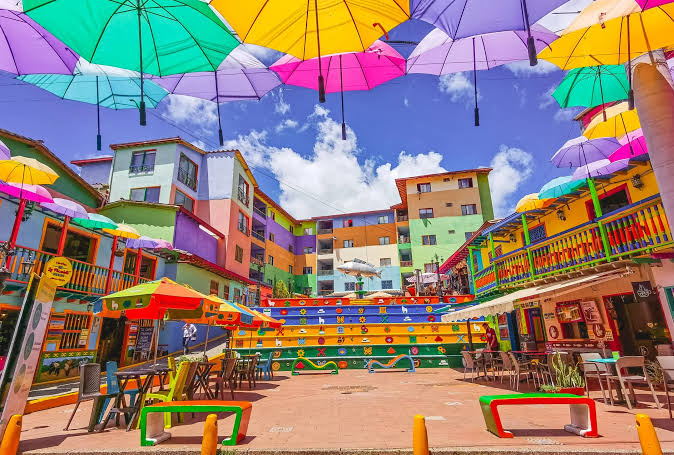
You can reach Guatapé independently by bus, but an organized trip is convenient when you only have one day and do not want to coordinate the bus terminal, transport between the rock and town, entrance times and the return journey. A good tour should leave enough time to walk through Guatapé rather than treating the town as a quick photo stop.
The cheapest group tours can be long and tightly scheduled. Read the itinerary carefully. Some listings advertise many “stops,” but several may be brief roadside pauses. I would choose a tour with clear transport, a reasonable group size and several hours split between the rock and the town.
Best for: first-time visitors who want one straightforward day outside Medellín.
Check before booking: whether the rock entrance is included, how much time you get in town, whether lunch is included and the actual pickup point. Hotel pickup is often limited to certain areas.
3. A coffee farm: the best rural experience
You do not have to travel to Salento to learn how Colombian coffee is grown. Farms around Medellín offer visits that follow the process from the plant to the cup. A good tour includes time in the fields, an explanation of harvesting and processing, and a tasting that goes beyond simply drinking coffee at the end.
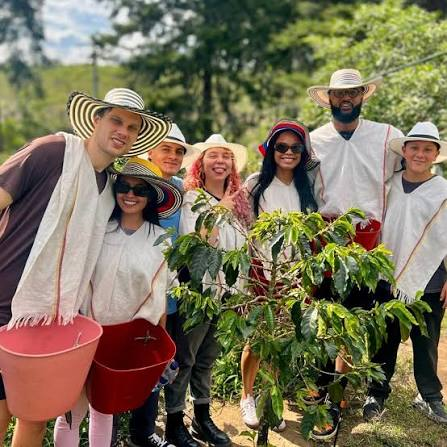
The best farm visits feel personal. You meet the people who grow the coffee, walk through a working property and see how much labor goes into a product most of us consume without thinking about it. Some farms are close enough for a half-day trip; others make more sense as a full day with lunch and rural transport included.
Look for a tour that names the farm and explains where your money goes. A vague “coffee experience” held mainly in a city café is not the same thing as visiting a producer.
Best for: coffee drinkers, families, slower travel and visitors who want to see rural Antioquia.
Check before booking: walking conditions, rain plans, transport, meals and whether the tour is actually held on a working farm.
4. A silletero flower farm: the most local cultural tour
The flower farms of Santa Elena offer one of the most distinctive experiences near Medellín. Families in the area maintain the silletero tradition associated with the Feria de las Flores. During a visit, you may walk through the gardens, hear the family’s history and see how a silleta is built.
This is not only an August activity. The farms receive visitors at other times of the year, and the experience is often calmer outside the flower festival. It is a good choice when you want to understand a tradition that belongs specifically to Medellín and the surrounding mountains.
Book directly with a farm or choose an operator that clearly identifies the family you will visit. Smaller groups make the experience more personal and ensure that the host has time to answer questions.
Best for: culture, photography, families and people who prefer a quieter half-day outside the city.
Check before booking: whether transport is included, how long you spend at the farm and whether the family receives payment directly.
5. A downtown history walk: the best way to understand El Centro
El Centro contains some of Medellín’s most important public spaces, old buildings, churches, markets and political history. It can also feel confusing and intense on a first visit. A daytime walking tour helps you understand what you are looking at and makes the area easier to navigate.
The strongest routes go beyond Plaza Botero. They may include Parque Berrío, Junín, the Palacio de la Cultura, traditional commercial streets, old theaters or public buildings. The guide should explain how the center changed over time rather than simply pointing out monuments.
“Free” walking tours are normally tip-based. They can be excellent, but the guide still expects to be paid at the end. Bring enough cash for a fair tip and do not choose a tour only because the booking price says zero.
Best for: history, architecture and visitors who want to explore downtown with more confidence.
Check before booking: the route, group size, language, expected tip and whether the tour ends near a Metro station.
6. A food or market tour: best for trying unfamiliar dishes
Medellín’s everyday food is easy to overlook if you stay around international restaurants in El Poblado. A daytime food walk can introduce you to fruit, bakery snacks, arepas, empanadas, traditional lunches and local markets without forcing you to guess what to order.
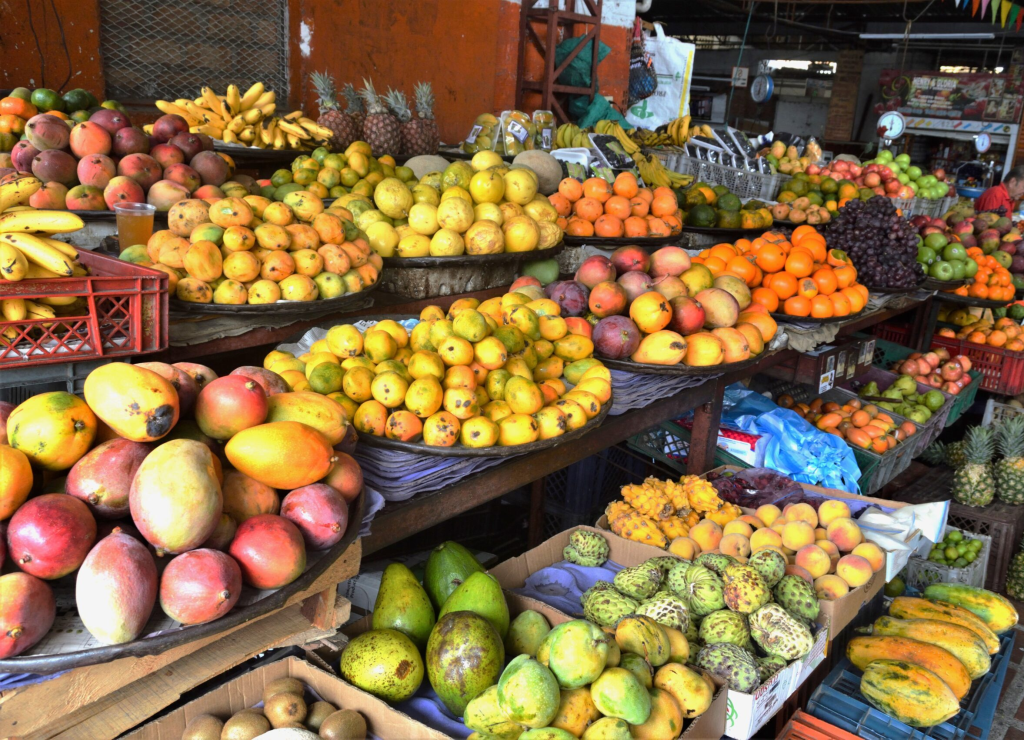
I prefer tours that visit small family businesses or a traditional market rather than spending the entire time in polished restaurants. A good guide should explain the food, where it comes from and how people in the city actually eat.
Tell the operator about allergies and dietary restrictions before paying. Vegetarian options are possible, but a standard tour may rely heavily on meat, dairy or fried food. Market environments can also be hot, busy and noisy, so they are not ideal for everyone.
Best for: first-time visitors, curious eaters and anyone nervous about ordering in Spanish.
Check before booking: the number of tastings, dietary options, walking distance and whether food is included in the listed price.
7. Parque Arví: useful with a nature guide, optional otherwise
Parque Arví can be visited independently using the Metro and Line L cable. The journey is part of the experience, and many visitors are happy to walk near the station, browse the market and return without booking anything.
A guide is useful when you want a proper nature walk, information about the forest and local history, or a route beyond the easiest visitor areas. Do not assume every trail can be explored casually. Conditions can change, and it is better to use official or locally guided routes than to follow an old map from a travel blog.
Line L normally operates on Mondays and from Wednesday to Sunday, with Tuesday used as the regular maintenance day. Check the official Metro information shortly before visiting because special schedules and closures can occur.
Best for: nature, cooler weather and visitors who want interpretation rather than only the cable-car ride.
Check before booking: the exact trail, walking difficulty, weather policy, meeting point and whether the cable fare is included.
Places that usually do not need a tour
Guided visits can be useful, but several popular attractions are simple to see independently. Saving money here lets you spend more on an experience where a guide actually matters.
Plaza Botero and Museo de Antioquia: Take the Metro to Parque Berrío, visit during the day and use the museum’s own information. A downtown walking tour can add context, but a private transfer is unnecessary.
Provenza and Manila: These are restaurant and nightlife neighborhoods rather than attractions that need explanation. Walk them at your own pace.
Pueblito Paisa: It is a viewpoint and small heritage-style complex. A taxi or ride-hailing app is normally enough.
The Medellín Metro: The system is easy to use once you understand the Cívica fare. Ride Line A and one of the urban cables independently.
Jardín Botánico and Parque Explora: Both have clear visitor information and are beside Universidad station. A guide is not normally needed.
A note on narco-focused tours
Tours built around Pablo Escobar remain easy to find, but I do not recommend making one the focus of a Medellín visit. They often reduce a complicated period of violence to a series of locations connected to one criminal, while the victims and the wider history receive much less attention.
If you want to learn about that period, choose a broader history or memory-focused experience. Museo Casa de la Memoria and Parque Inflexión place the story in a more responsible context. Medellín has far more to say about itself than the same old cartel narrative.
Group tour or private guide?
A shared tour is usually enough for Comuna 13, downtown, food walks and standard Guatapé trips. It costs less and can be more social. The drawback is that the pace is fixed and the group may be larger than expected.
A private guide makes more sense for families, visitors with limited mobility, photographers, people with very specific interests or groups of three or more who can divide the cost. It is also useful when you want to start early, avoid standard pickup points or combine places that fit together geographically.
Before paying extra for “private,” confirm that the vehicle and guide are actually dedicated to your group. Some listings use the word loosely.
How to choose a good tour
Read the newest reviews first. A tour with years of positive ratings may have changed guides or become much larger. Focus on comments from the last few months.
Find out who leads it. A named local guide or family business is a better sign than a listing that says nothing about the people involved.
Check the maximum group size. “Small group” can mean eight people on one listing and twenty on another.
Read what is not included. Entrance tickets, meals, tips, cable fares and hotel pickup may cost extra.
Confirm the meeting point. Many tours advertised as hotel pickup only collect guests from selected parts of El Poblado.
Ask about accessibility. Comuna 13, farms and rural paths can involve stairs, uneven ground and steep slopes.
Avoid overloaded itineraries. Ten stops in one day usually means very little time at each one.
Use secure payment and keep the confirmation. Book through the operator’s official channel or a recognized platform and save the contact details offline.
How to be a better tour guest
Ask before photographing residents, children, homes or private businesses.
Do not block narrow streets or doorways while the guide speaks.
Buy from local businesses when something genuinely interests you, but do not treat every stop as an obligation.
Listen when a resident explains that a popular tourist story is incomplete or wrong.
Tip a strong guide fairly, especially on a tip-based walking tour.
Avoid tours that treat poverty, violence or private homes as entertainment.
The best tour combinations for a first trip
For a three-day visit: Book a Comuna 13 tour and explore the rest of Medellín independently. You probably do not have time for a long day trip unless Guatapé is a major priority.
For a five-day visit: Combine Comuna 13 with either Guatapé or a coffee farm. This gives you one urban experience and one day in rural Antioquia.
For a week or longer: Add a downtown history walk, food tour or silletero farm according to your interests. Leave at least two days without tours.
For families: A private or very small Comuna 13 tour, a coffee farm and a flower farm are usually easier than a tightly scheduled full-day bus tour.
Frequently asked questions
What is the best tour in Medellín?
For most first-time visitors, a locally led Comuna 13 walking tour offers the most useful context. Guatapé is the best-known full-day trip.
How many tours should I book?
Usually one or two. Medellín is easy enough to explore independently, and a schedule packed with tours leaves little room for spontaneous plans.
Should I book before arriving?
Book ahead when the guide, group size or date matters to you. Otherwise, many standard tours can be arranged after arrival. Holiday weekends and the Feria de las Flores are busier.
Are free walking tours really free?
No. They normally have no fixed upfront price, but the guide works for tips. Carry cash and pay according to the quality and length of the tour.
Is a private tour worth it?
It can be for families, larger groups, limited mobility or special interests. For a standard first visit, a well-run small group is usually enough.
Can I visit Comuna 13 without a tour?
Yes, but a responsible local guide adds valuable history and context. The main route is easy to reach, though it can become very crowded.
Is Guatapé better with a tour?
A tour is convenient for a one-day visit. Independent travel is better when you want to stay overnight or move at a slower pace.
Which tour is best on a rainy day?
A downtown history tour with museum time or a food tour with indoor stops may work better than a rural farm day. Always check the operator’s weather policy.
My final recommendation
Do not choose tours by counting how many places they promise to include. Choose them by asking what the guide adds.
For most visitors, the best combination is a locally led Comuna 13 walk and one full or half-day experience outside the city. Guatapé is the classic choice. A coffee or flower farm is more personal and often gives you a better sense of Antioquia beyond the city.
The rest of Medellín can be explored slowly. Ride the Metro, visit a museum, sit in a neighborhood café and leave enough space for plans you did not find on a booking site. Those unplanned hours often become the better part of the story.