Medellín and Colombia, from someone who lives here
Where to stay in Medellin?
Updated for 2026
The quick answer: El Poblado is the easiest choice for a first visit, especially if you want hotels, restaurants, nightlife and plenty of English. Laureles is flatter, more walkable and usually feels less touristy. Envigado and Sabaneta are better for a quieter stay, while Belén offers better value and a more local atmosphere.
I have lived in the Medellín area since 2018, and where you stay really does shape the trip. The city stretches along a narrow valley, traffic can be slow, and two neighborhoods that look close on a map may feel completely different once you arrive. The good news is that most visitors only need to choose from a small group of established areas.
My simple advice: pick the neighborhood that matches the kind of trip you want, not the one that happens to have the cheapest apartment. A bargain is not much of a bargain if you spend half the day in traffic or cannot sleep because the street outside turns into a nightclub.
The best areas at a glance
Area
Best for
What it feels like
Getting around
Main drawback
El Poblado
First visits, nightlife, easy planning
Green, polished and international
Metro, taxis and apps; hills make walking uneven
The highest prices and the most touristy feel
Laureles
Walkability, cafés and longer stays
Relaxed, leafy and social
Flat and easy on foot; metro stations are outside the center
Some parts are noisy and short-term rentals have pushed up prices
Envigado
Couples, longer stays and a calmer base
Local, comfortable and well established
Good metro access in lower areas; taxis help for the hills
Farther from central attractions
Sabaneta
Families, peace and a small-town feel
Calm, traditional and residential
End of the metro line; long journey to the center
Too far south for a short sightseeing trip
Belén
Value and local life
Busy, practical and less touristy
Buses, Metroplús and taxis
Less English and fewer hotels
La Floresta
Local atmosphere with metro access
Quiet, friendly and low-key
Two nearby metro stations
Limited nightlife and fewer high-end stays
Carlos E. Restrepo
Culture, greenery and a central location
Student-friendly and artistic
Close to Line B and major roads
Small accommodation selection
How to choose the right neighborhood
Start with the length of your trip. For two or three nights, convenience matters. El Poblado or Laureles will save time and make the first days easier. For a week or longer, Envigado, Sabaneta, Belén and La Floresta become more appealing because you have time to settle in and use public transport.
Then think about your evenings. If you want restaurants, bars and people around you, stay in El Poblado or Laureles. If you want to sleep early and wake up somewhere calmer, look farther south in Envigado or Sabaneta. Do not book directly on La 70, near Parque Lleras or in the busiest part of Provenza unless nightlife is one of the main reasons for your trip.
Finally, check the exact location. Neighborhood names cover large areas. An apartment advertised as “El Poblado” may be high on a steep hill, and a listing in Laureles may actually be beside a loud nightlife street. Read the recent reviews and check the walking route on a map before booking.
1. El Poblado: the easiest choice for a first visit
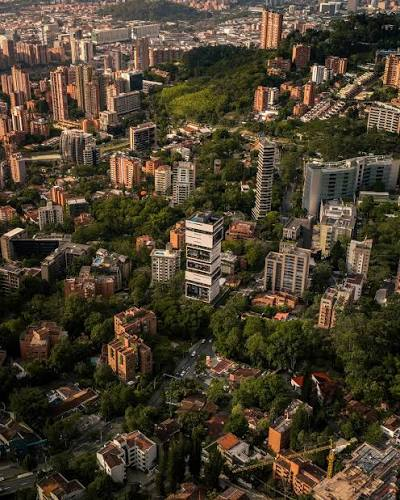
El Poblado is where most international visitors start, and there is a reason for that. It has the city’s largest choice of hotels, hostels, furnished apartments, restaurants and nightlife. English is more common here than anywhere else in the valley, and tour pickups are often arranged from the area.
It is also the least Colombian-feeling part of Medellín. Prices are higher, the streets around Provenza and Parque Lleras can feel built almost entirely for visitors, and the nightlife comes with noise, heavy traffic and some of the problems linked to party tourism. El Poblado is convenient, but it is not a complete picture of the city.
Best parts to stay: Manila for a more relaxed atmosphere and easier metro access; Provenza for restaurants and nightlife; the area around Milla de Oro for modern hotels, shopping and business travel.
Best for: first-time visitors, short trips, nightlife, luxury hotels and travellers with limited Spanish.
Think twice if: you want low prices, quiet nights or a strongly local atmosphere.
Manila or Provenza?
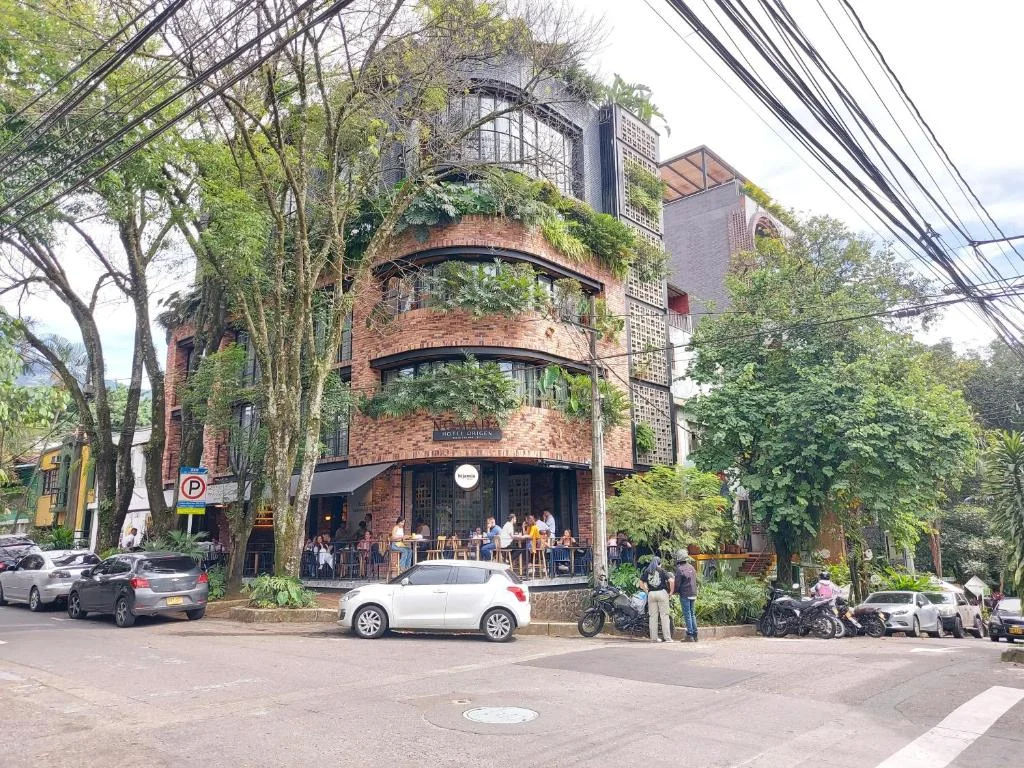
Manila is my better all-round pick for most travellers. It has cafés, hostels, smaller hotels and restaurants, but it is calmer than Provenza and close enough to walk to Poblado metro station. Provenza is better when dining and nightlife are the priority. It is attractive and lively, but it can be loud until late, especially on weekends.
2. Laureles: the best all-round alternative
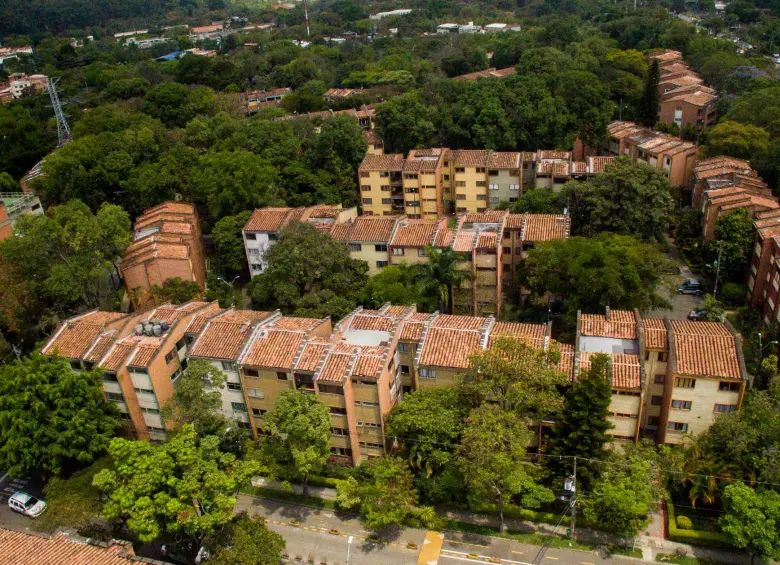
Laureles is the area I recommend most often to visitors who want comfort without spending the whole trip inside the tourist bubble. The streets are mostly flat, mature trees provide shade, and you can walk between cafés, restaurants, supermarkets and parks without needing a taxi every time.
It has changed a lot in recent years. Digital nomads and short-term rentals have pushed up prices, and some streets no longer feel particularly local. Even so, Laureles remains easier to walk than El Poblado and has a better mix of residents and visitors.
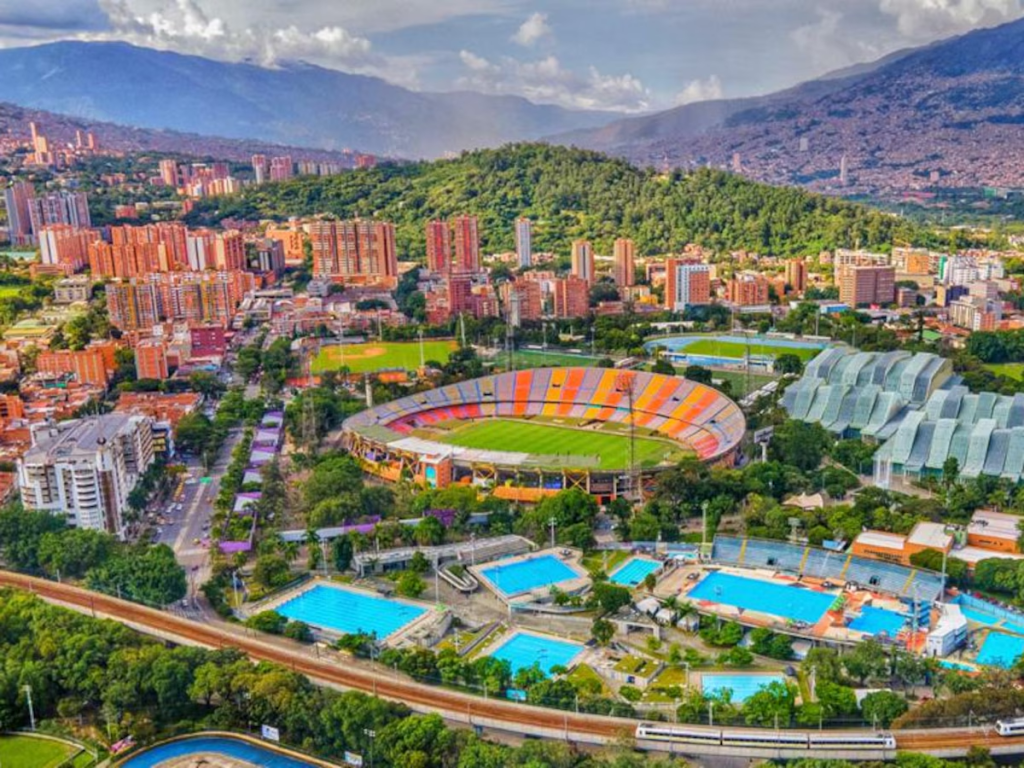
Best parts to stay: near the First or Second Park for cafés and restaurants; around Avenida Nutibara for convenience; closer to Estadio or Floresta if metro access matters.
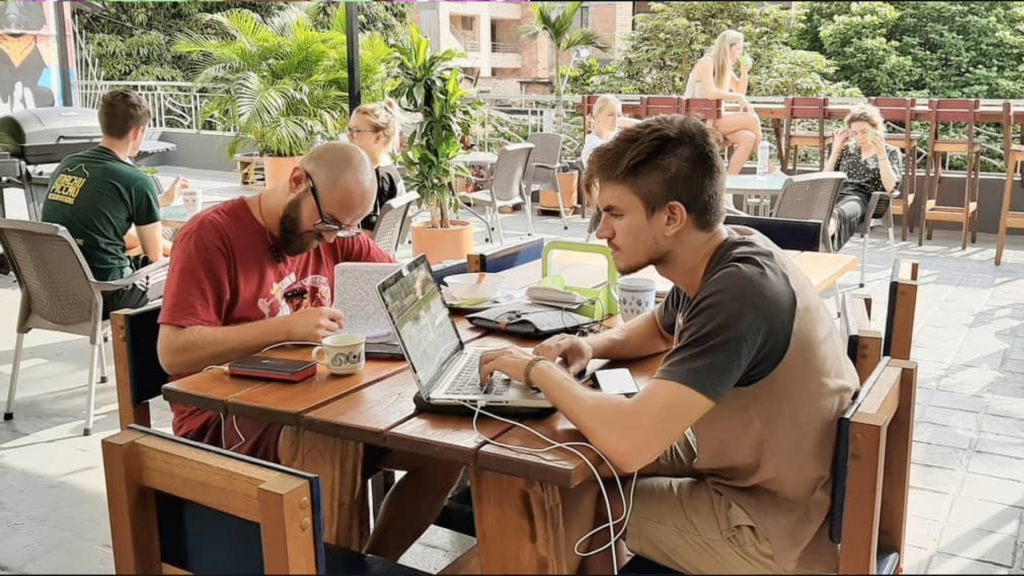
Best for: digital nomads, longer stays, walking, cafés, restaurants and travellers who want a softer landing without staying in El Poblado.
Think twice if: you need to be directly beside the metro or you are a light sleeper. La 70 and parts of La 33 can be loud.
A warning about La 70
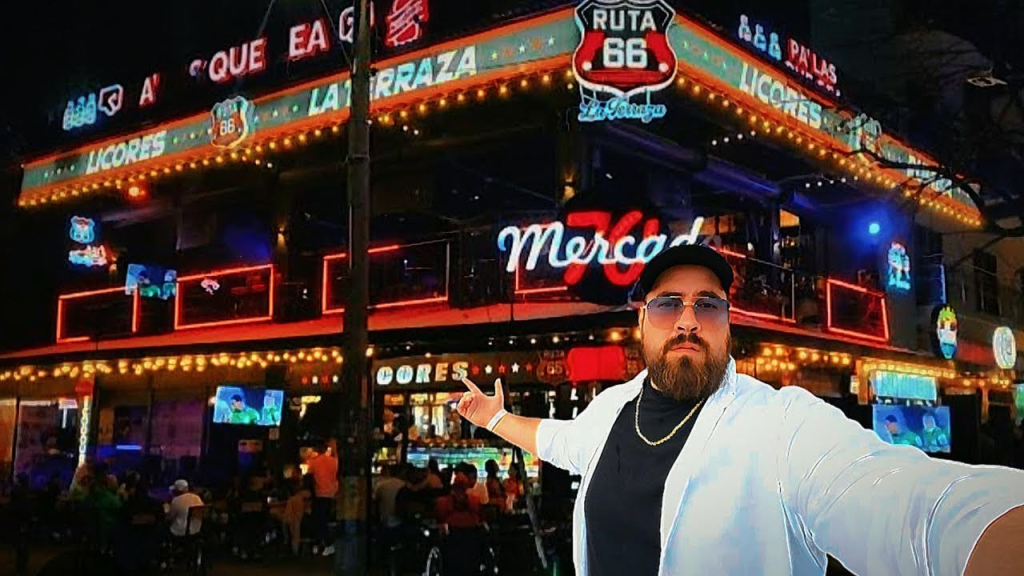
La 70 is fun for a night out, but I would not stay directly on it unless partying is the plan. Music, traffic and street noise can continue well into the night. A few blocks away can make a big difference.
3. Envigado: calmer, more local and still convenient
Envigado is technically a separate municipality, but it blends into southern Medellín and is an easy base for longer stays. It has a strong restaurant scene, good shopping, traditional neighborhoods and more everyday local life than El Poblado.
The lower parts near the metro are practical. The areas farther uphill are greener and quieter, but you may rely more on taxis or ride-hailing apps. Envigado works especially well for couples and people who want to live normally for a few weeks rather than treat every day like a sightseeing race.
Best parts to stay: around Parque Envigado for traditional local life; near Calle de la Buena Mesa for restaurants; close to Viva Envigado or the metro for convenience.
Best for: couples, longer stays, food, calmer evenings and visitors with at least basic Spanish.
Think twice if: you only have two or three days and plan to spend most of them around the center or Comuna 13.
4. Sabaneta: a quiet base in the south
Sabaneta has grown quickly, but its center still feels like a small Antioquian town. The main park, church, bakeries and traditional restaurants give it an identity that is very different from El Poblado or Laureles. I like it for the same reason some visitors may not: it feels removed from the tourist side of Medellín.
The metro makes it possible to explore the rest of the valley, but distances are real. A journey to the city center takes time, and getting to Comuna 13, Laureles or the airport is less convenient. Sabaneta is a good home base for a month. It is not my first choice for a three-night city break.
Best parts to stay: within walking distance of Parque Sabaneta or near the metro if you expect to travel north often.
Best for: families, remote workers, quiet evenings, traditional food and longer stays.
Think twice if: you want nightlife, frequent tours or quick access to Medellín’s central attractions.
5. Belén: better value and a real local atmosphere
Belén is large and varied, so it is important to choose the exact section carefully. For visitors, Nueva Villa del Aburrá and the areas around Los Molinos are among the most practical. They offer supermarkets, restaurants, parks and good transport without the prices of El Poblado or central Laureles.
Nueva Villa del Aburrá is one of the more distinctive parts of the city. Its central plaza has a young, alternative feel, with rock bars, casual food and people meeting outside in the evenings. It is not polished for tourists, which is part of the appeal.
Best parts to stay: Nueva Villa del Aburrá for atmosphere; near Los Molinos for shopping and practical services; the flatter lower sections for easier transport.
Best for: value, longer stays, local life and travellers who are comfortable using Spanish.
Think twice if: you want boutique hotels, organized nightlife or lots of English-speaking businesses.
6. La Floresta and La América: local life beside the metro
La Floresta and La América are good choices for travellers who want to step outside the main expat areas without making transport difficult. The neighborhoods have parks, bakeries, small restaurants and a residential feel, while the Floresta and Santa Lucía metro stations put the rest of the city within reach.
There is less nightlife and fewer fashionable cafés than in Laureles, but that may be exactly what you want. These areas also place you closer to Comuna 13 and the western side of the city.
Best for: metro access, quieter stays, local neighborhoods and visitors who already know the city a little.
Think twice if: you want a large hotel selection or prefer to have most tourist services on the doorstep.
7. Carlos E. Restrepo and Suramericana: central but overlooked
These neighboring areas sit between Laureles, the stadium, the river and Cerro El Volador. Carlos E. Restrepo has a leafy plaza, bookshops, bars and a student atmosphere linked to the nearby university. Suramericana is quieter, with brick apartment buildings, small parks and quick access to Line B of the metro.
The location is excellent for moving around the city, but there are fewer accommodation choices than in El Poblado or Laureles. That makes it more suitable for apartment stays than for visitors who want a long list of hotels.
Best for: culture, parks, a central location, metro access and repeat visitors.
Think twice if: you want a busy nightlife district or a large choice of tourist accommodation.
8. Buenos Aires: interesting, affordable and better for experienced visitors
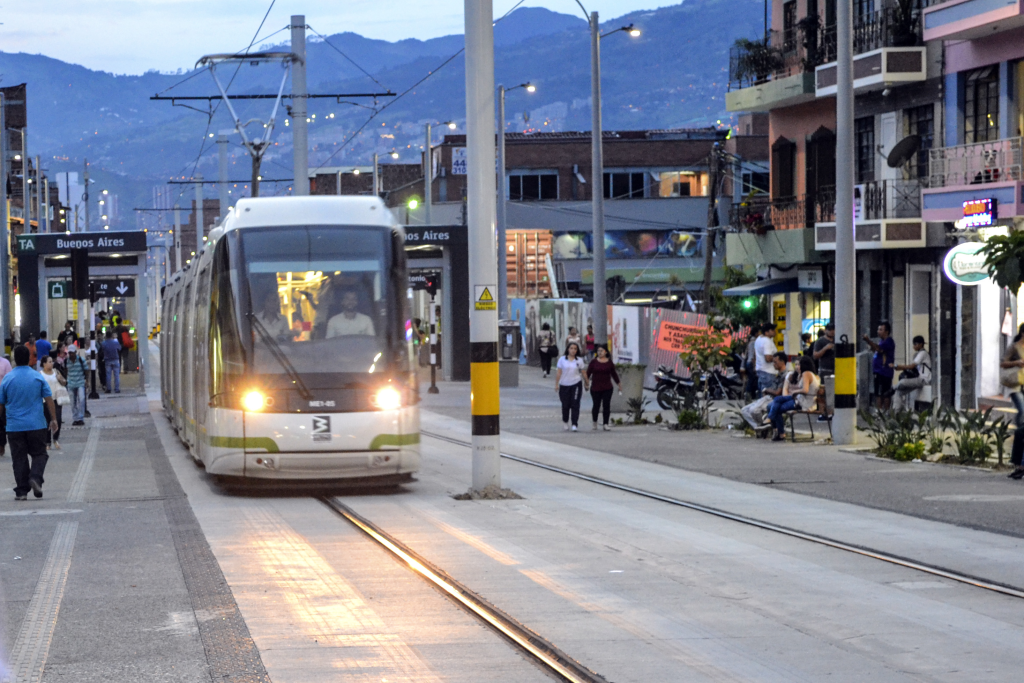
Buenos Aires climbs the hills east of the center and is connected by the tram from San Antonio. It has street life, local restaurants and easy access to several Metrocable lines. For someone who speaks Spanish and has spent time in Colombian cities before, it can be an interesting and affordable base.
I would not make it the default recommendation for a first trip. The streets are steep, safety changes from block to block, and there are fewer visitor services. It is a neighborhood to choose deliberately, not because an apartment listing looked cheap.
Best for: experienced travellers, Spanish speakers, lower prices and access to the tram and eastern Metrocables.
Think twice if: this is your first visit, you return late at night or you want a polished tourist area.
Best neighborhood by type of trip
First visit: El Poblado is the easiest. Choose Manila for a calmer stay or Provenza when nightlife matters most.
Digital nomads: Laureles offers the strongest mix of walkability, cafés, coworking and furnished apartments. Envigado is the quieter alternative.
Families: Envigado and Sabaneta are calmer and more residential. Check school-holiday traffic and the exact walking route before booking.
Nightlife: Provenza and Parque Lleras have the international scene. La 70 in Laureles is more local and often louder.
Budget: Belén and La Floresta usually offer better value while remaining reasonably central.
A local atmosphere: Belén, La Floresta, Envigado and Sabaneta feel less shaped by international tourism.
No car: Manila, lower Envigado, La Floresta and Suramericana offer useful access to the metro. Laureles is very walkable but not directly centered on a station.
A short stay: El Poblado or Laureles. Convenience is more valuable when you only have a few days.
A month or longer: Laureles, Envigado, Sabaneta, Belén and La Floresta all make more sense once you have time to settle in.
Where I would not stay on a first trip
I would visit the city center during the day, but I would not use it as a base. El Centro has some of Medellín’s most important museums, churches and traditional streets, but it becomes less comfortable after shops close. The atmosphere can change quickly from one block to the next, and most visitors will have a better trip by sleeping elsewhere and taking the metro in during daylight hours.
I would also avoid booking in an unfamiliar hillside neighborhood just because the view looks good. Many parts of Medellín are perfectly normal residential communities, but they may be steep, poorly connected and difficult for a newcomer to judge. Stay in an established visitor area first, then explore the wider city once you understand how it works.
Finally, do not assume that “close to Parque Lleras” is always a benefit. It may mean loud music, traffic, crowds and people outside until early morning. Read the newest reviews, especially the negative ones.
How important is the metro?
Being near a station helps, but it is not the only thing that matters. Medellín’s integrated system includes trains, Metrocables, the tram and bus routes, and it covers much of the valley. The official Metro website provides the current map and operating information. See the official system map.
For sightseeing, the metro is especially useful for reaching the center, Comuna 13 connections, Parque Arví and the north of the city. Inside El Poblado, Laureles, Envigado and Sabaneta, you may still use buses, taxis or ride-hailing apps because the most popular streets are not always beside a station.
What to check before booking
Read reviews from the last three months, not only the overall score.
Check the walking route, not just the straight-line distance. Medellín has steep hills and roads without pleasant sidewalks.
Look for comments about street noise, construction and hot water.
Confirm whether the building allows short-term guests and whether reception is available for a late arrival.
Check how far the property is from a supermarket, café and reliable transport.
For longer stays, ask about internet speed, workspace, laundry and whether utilities are included.
Avoid paying outside a trusted booking platform unless you know the owner or have verified the property carefully.
Frequently asked questions
What is the best neighborhood in Medellín for tourists?
El Poblado is the easiest for most first-time visitors because it has the largest choice of hotels, restaurants, tours and English-speaking services. Laureles is a better fit when walkability and a less touristy atmosphere matter more.
Is Laureles better than El Poblado?
Neither is better for everyone. El Poblado is more convenient for nightlife, hotels and first visits. Laureles is flatter, easier to walk and often feels more relaxed.
Where should digital nomads stay?
Laureles remains the obvious choice because of its cafés, coworking spaces and apartment supply. Envigado works well for people who want a calmer routine and do not need to be near the main tourist areas.
Where should families stay?
Envigado and Sabaneta are good starting points because they are calmer and more residential. Parts of Laureles also work well, but avoid the nightlife streets if sleep is important.
Should I stay in Medellín’s city center?
I would visit the center during the day but stay elsewhere. El Poblado, Laureles, Envigado, Belén and La Floresta are more comfortable bases for most visitors.
Do I need to stay near the metro?
No, but it can save time. Manila, lower Envigado, La Floresta and Suramericana have useful station access. Laureles is easy to walk, although its central streets are not directly beside a metro station.
Which area is best for nightlife?
Provenza and Parque Lleras have the largest international nightlife scene. La 70 in Laureles offers a more local mix of salsa, vallenato and reggaeton.
What is the best area for a long stay?
Laureles, Envigado, Sabaneta, Belén and La Floresta all work well for longer stays. Your choice should depend on budget, transport and how much nightlife you want nearby.
My final recommendation
For a first trip, choose Manila in El Poblado or a quiet street in Laureles. Both make the city easy to understand without locking you into long daily journeys. Pick El Poblado when convenience, nightlife and English matter most. Pick Laureles when you prefer flatter streets, cafés and a more relaxed rhythm.
For a longer stay, look at Envigado, Sabaneta, Belén or La Floresta. They give you more local life and often better value, but they also ask a little more from you: more Spanish, more planning and more time on public transport.
There is no single best neighborhood in Medellín. The right one is the place that fits the trip you actually want to have.