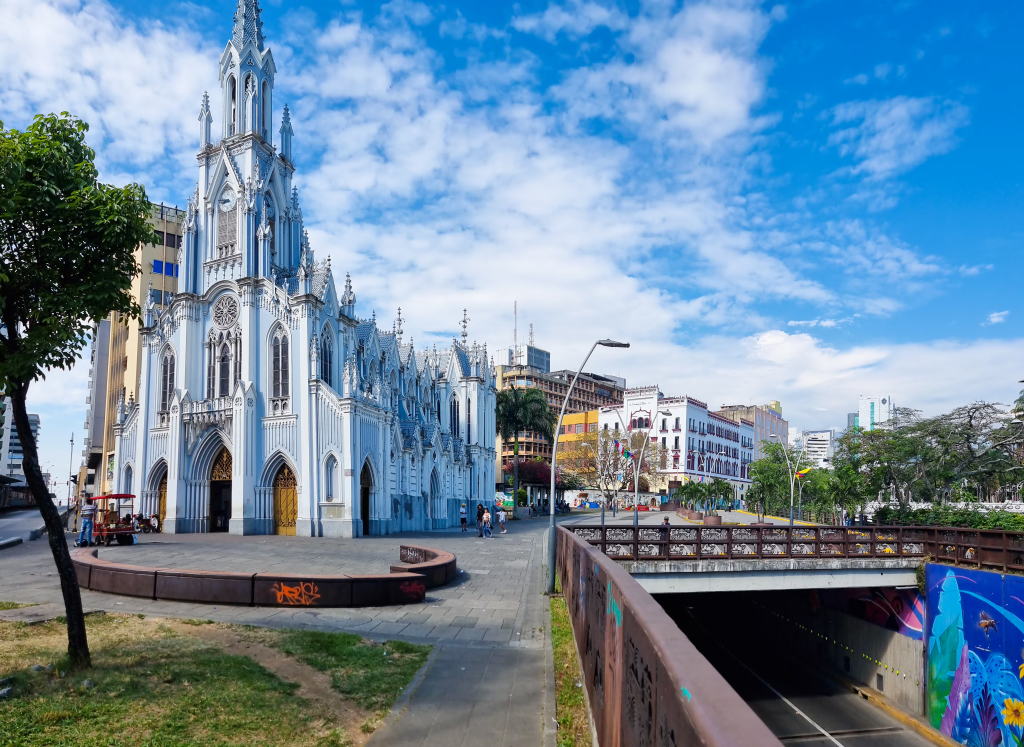
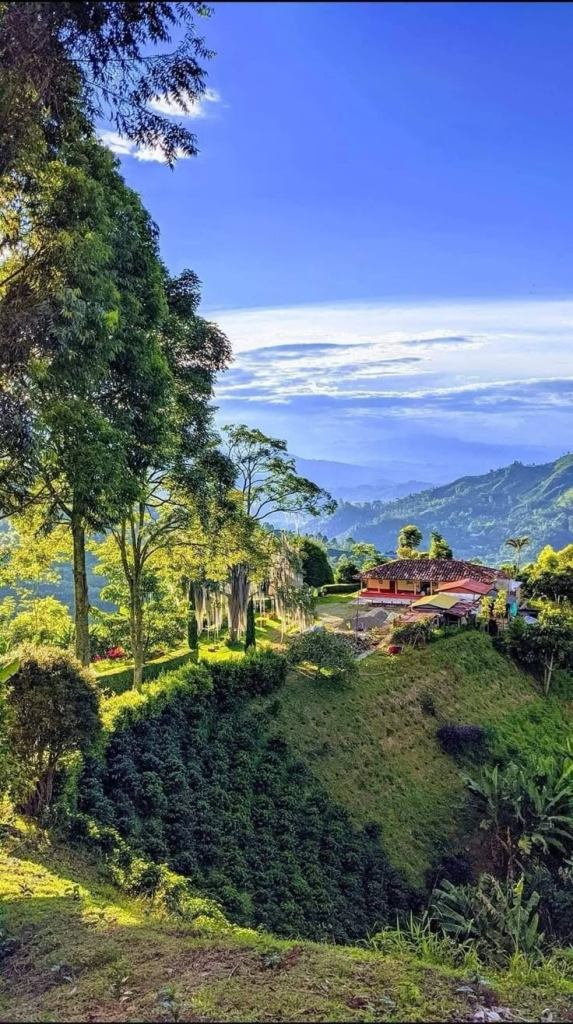
Medellín is much easier to enjoy when you stop treating it like a checklist. I have lived here since 2018, and some of my best days in the city have been simple ones: riding the Metro to a neighborhood I had never explored, eating fruit at a local market, or walking through a park with no real plan.
For a first visit, the obvious places still deserve your time. Comuna 13, the Metrocable, Plaza Botero, Parque Arví and Guatapé are popular for a reason. But they are only part of the story. Medellín also has small museums, traditional markets, quiet residential areas, green hills and nearby towns that many visitors miss.
This guide brings together 69 things to do in Medellín and around the Aburrá Valley. I have kept the entries practical and honest. Some places are essential. Others are better if you have extra time. A few are worth visiting mainly because they show you a side of the city that does not appear in the usual tourist photos.
Prices, opening hours and access rules change, sometimes without much warning. Check the official page of any paid attraction before making a special trip.
In 2025 the city set a fresh record, drawing roughly 1.2 million foreign visitors, up nearly 12% on the year before and more than double its pre-pandemic numbers, part of a record stretch for Colombian tourism overall.
Things to do in Medellin
The quick version
| Best for | My pick |
| A first visit | Comuna 13, the Metrocable and Plaza Botero |
| A free afternoon | Jardín Botánico, the Sunday Ciclovía or a walk around Parques del Río |
| Views | The Metrocable, Cerro El Volador or Pueblito Paisa |
| Art | Museo de Antioquia, MAMM or Museo Casa de la Memoria |
| Families | Parque Explora, Jardín Botánico or the Aeroparque Juan Pablo II |
| Local food | Plaza Minorista, Placita de Flórez or Mercado del Río |
| A quiet break | Casa Museo Otraparte, Jardín Botánico or Parque Arví |
| A day trip | Guatapé for a first visit; Jardín or Santa Fe if you have more time |
How many days do you need?
Three full days are enough for the main city sights. Five days gives you time to slow down, explore different neighborhoods and take one day trip. A week works well if you also want to visit Guatapé, Santa Fe de Antioquia or Jardín.
A sensible first trip could look like this: spend one day in Comuna 13 and El Centro, one day around the Botanical Garden and Parque Explora, and one day using the Metro and Metrocable to explore the city from north to south. Add Guatapé as your first day trip.
The Medellín essentials
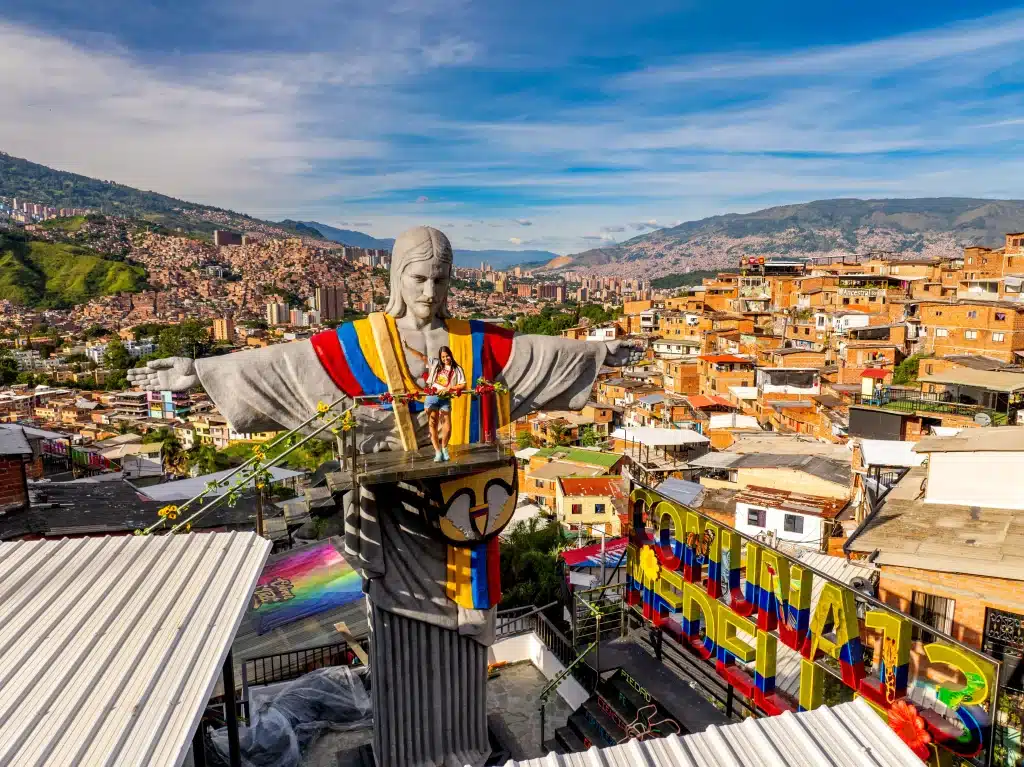
1. Take a Comuna 13 walking tour
Comuna 13 is the city’s best-known example of how much Medellín has changed. The murals, outdoor escalators and steep streets are interesting, but the tour is better when the guide explains the neighborhood’s history instead of treating it as a colorful photo stop. Go early if you can. By late morning, the main route can feel crowded.
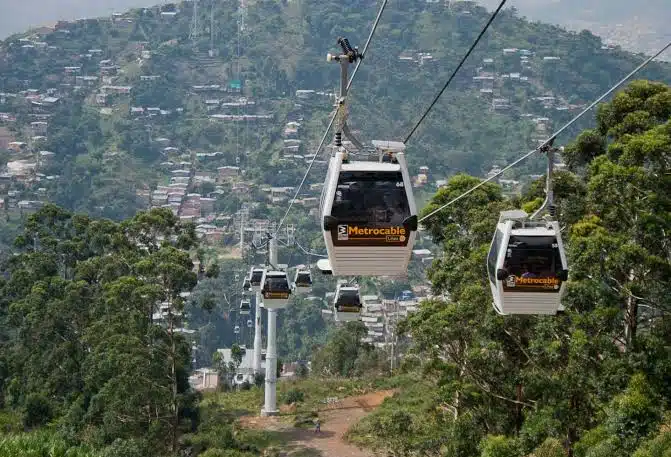
2. Ride the Metrocable
The cable cars are part of Medellín’s public transport system, not a ride built for tourists. That is what makes them so interesting. Line K gives you broad views over the northeastern hills, while Line L continues through the forest to Parque Arví. Keep your phone discreet when the cabins pass close to homes.
3. Walk around Plaza Botero
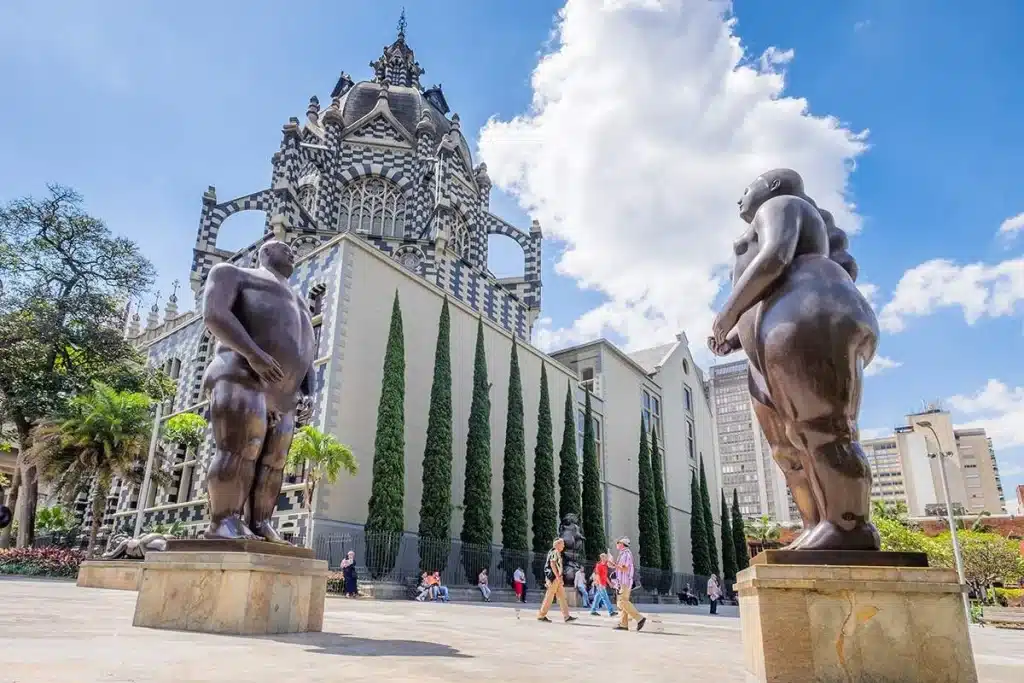
Plaza Botero has 23 large bronze sculptures by Fernando Botero, and you can see them for free. It is one of the easiest places to recognize from photos of Medellín. The square is busy and can be chaotic, so visit during the day and keep an eye on your belongings.
4. Visit Museo de Antioquia
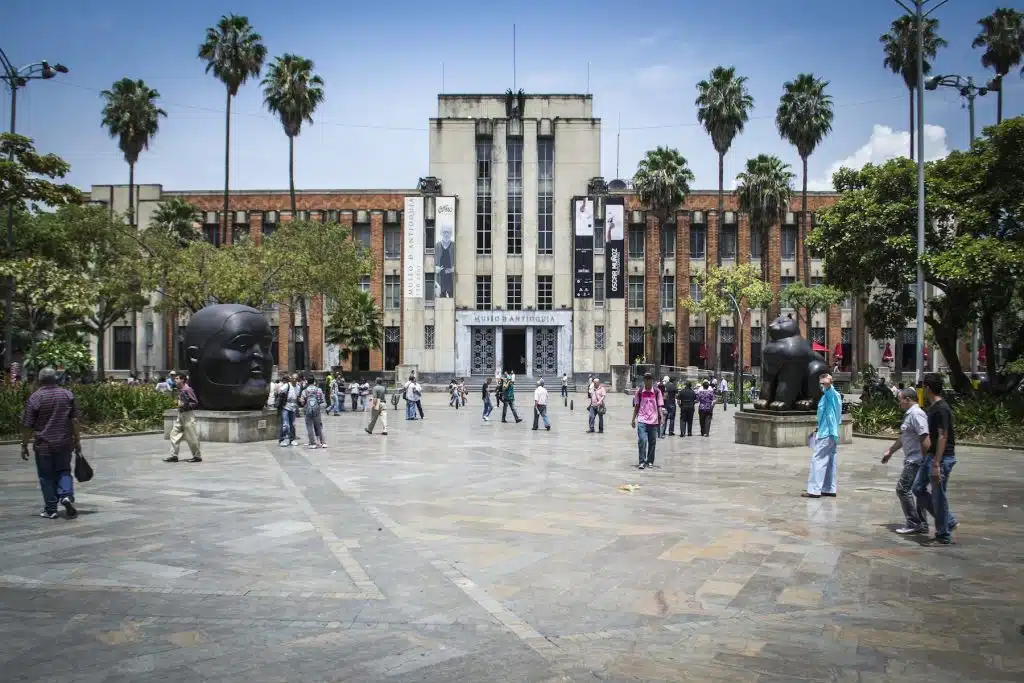
The museum beside Plaza Botero gives the square much more context. Botero is the main attraction, but the collection also covers Colombian art, regional history and temporary exhibitions. It is a good choice if the weather turns rainy or you want more than a quick photo with the sculptures.
5. Spend half a day in Parque Arví
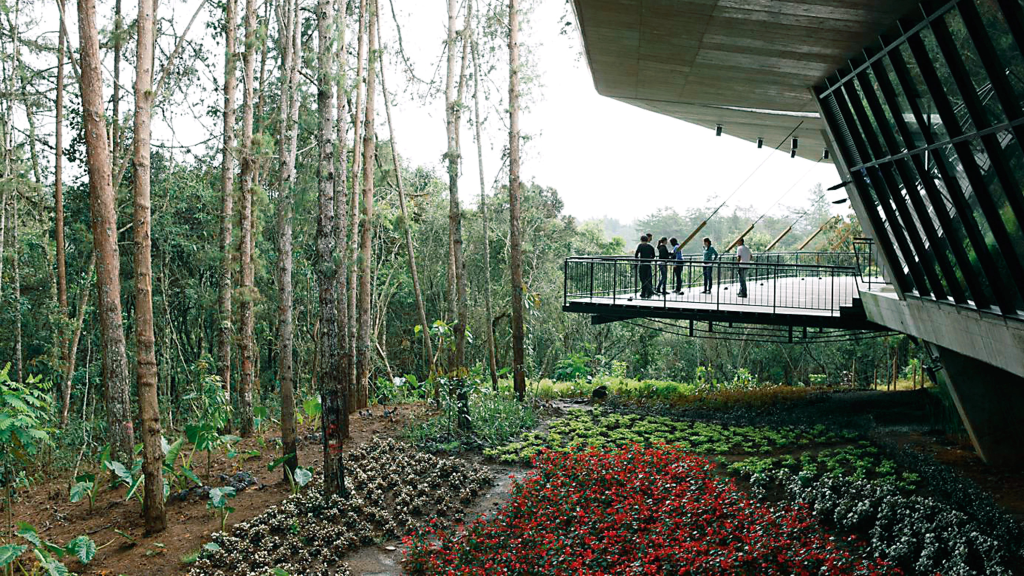
Parque Arví feels far removed from the city even though you can reach it by cable car. There are forest paths, picnic areas and a small market near the station. The marked routes vary in length and difficulty, so ask staff which one suits you. Bring a light jacket because it is cooler than the valley below.
6. Slow down in Jardín Botánico
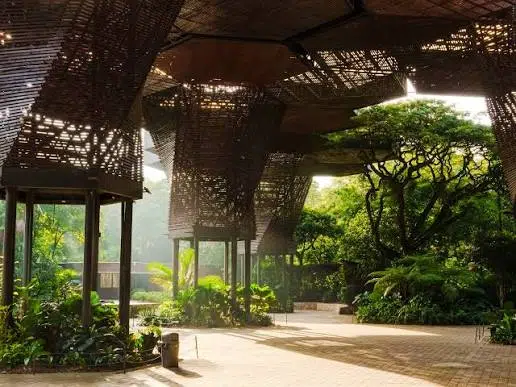
The Botanical Garden is one of the best free places in Medellín. It is flat, calm and easy to combine with Parque Explora and the Planetarium. You may see iguanas, birds and families having picnics. It is not a huge garden, but that is part of its appeal; you do not need to plan a full day around it.
7. Make time for Parque Explora
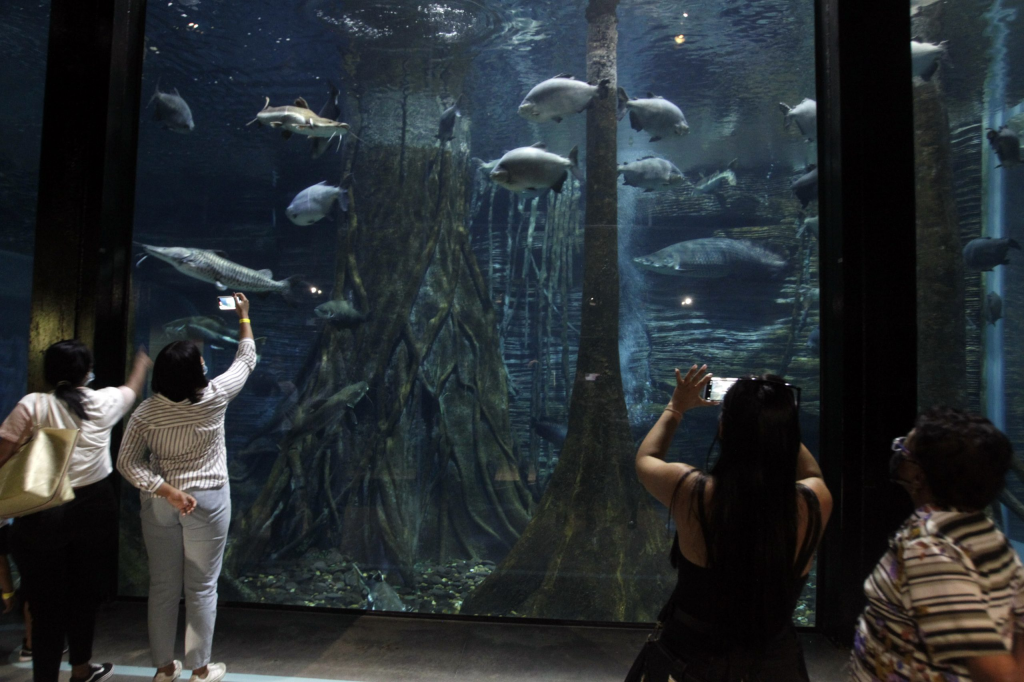
Parque Explora is often described as a children’s attraction, but adults usually enjoy it too. The aquarium, hands-on science rooms and temporary exhibitions make it one of the city’s better indoor plans. It is especially useful on a rainy afternoon and sits next to several other attractions.
8. Explore El Centro during the day
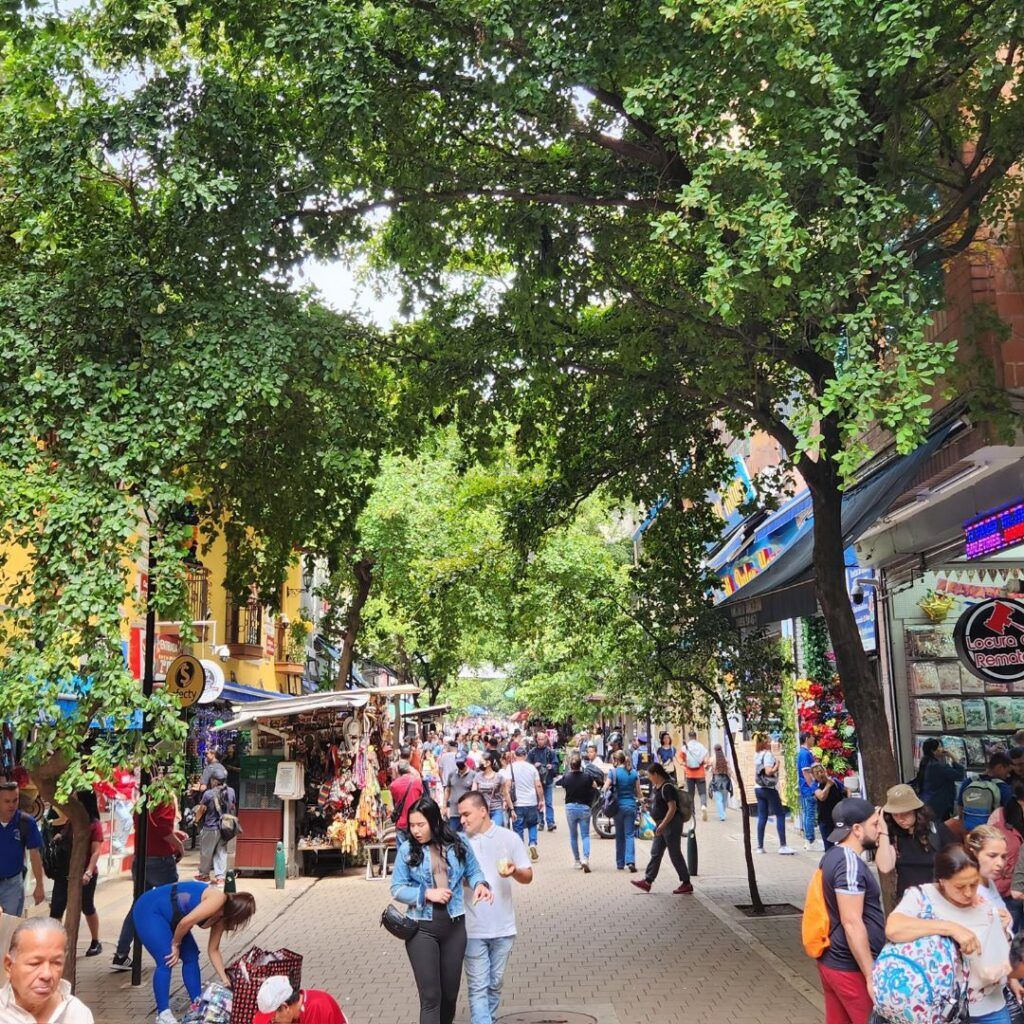
Downtown Medellín is crowded, noisy and not polished for tourists. That is exactly why it is worth seeing. Plaza Botero, Parque Berrío, Junín, the cathedral and the old commercial streets are all close together. Go in daylight, avoid carrying valuables openly and consider a walking tour for your first visit.
9. See the view from Pueblito Paisa
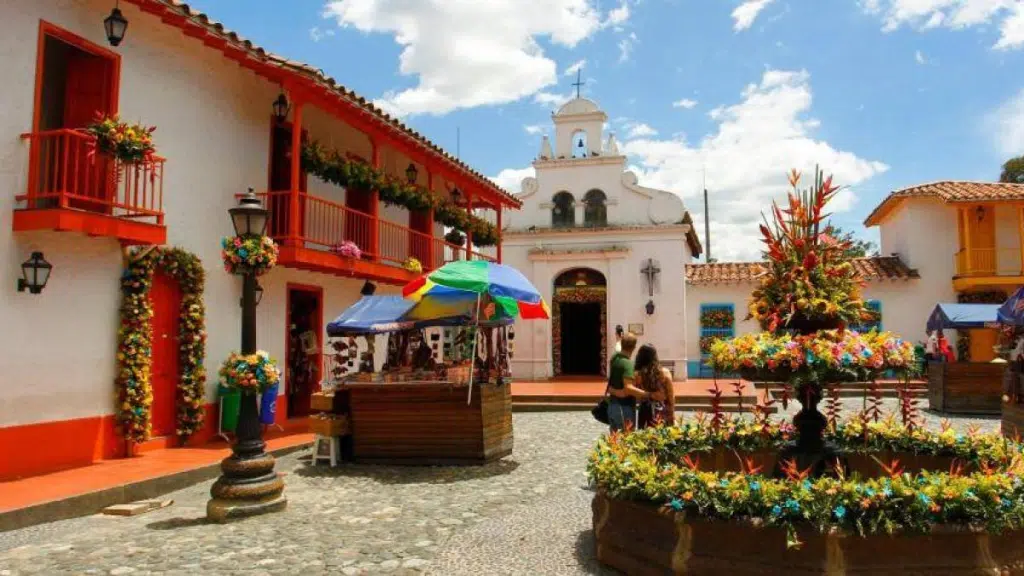
Pueblito Paisa is a small replica of a traditional Antioquian village on Cerro Nutibara. The village itself can feel touristy, but the view across the city is good and the hill is easy to reach. I would not cross Medellín only for this, but it works well as a short stop if you are already nearby.
10. Take a day trip to Guatapé
Guatapé is the most popular day trip from Medellín and still a good one. The town is known for its colorful zócalos, while the nearby rock offers the famous view over the reservoir. Leave early if you want to climb before the midday heat and crowds. The town deserves time too, so do not spend the whole visit at the rock.

History, culture and the city’s transformation
11. Visit Museo Casa de la Memoria
This museum focuses on the victims of Colombia’s armed conflict and the violence that shaped Medellín. It is serious, moving and far more useful than a tour that turns the city’s darkest period into entertainment. Give yourself time to read and listen rather than rushing through it.
12. See Moravia with a community guide
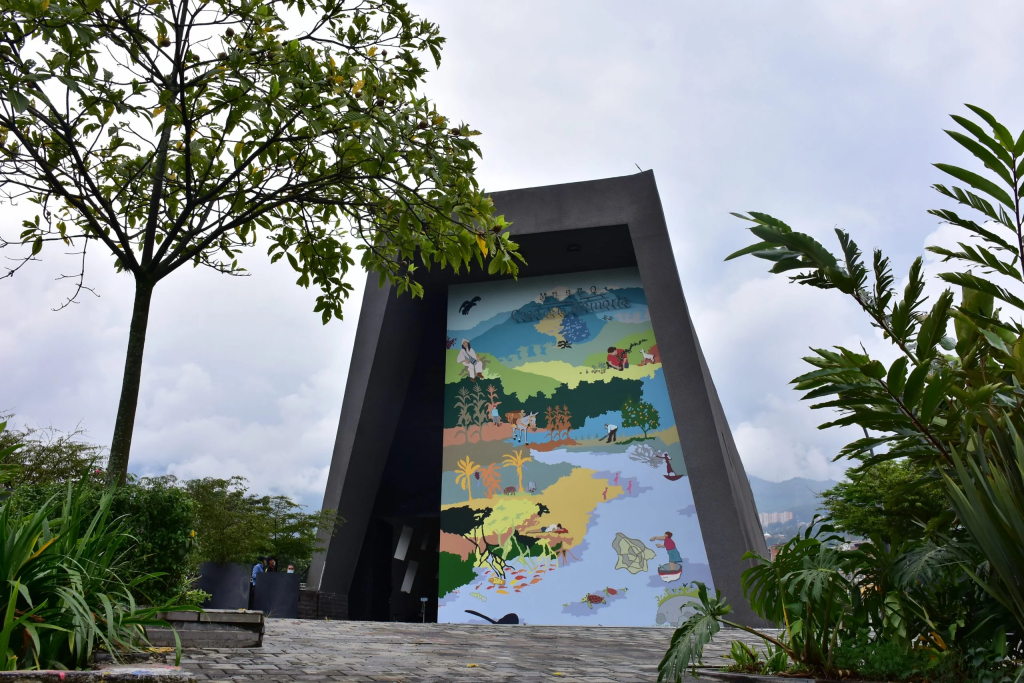
Moravia grew around a former city dump and later became the site of a major environmental and social transformation. A community-led tour explains what changed, what did not, and why some residents resisted relocation. It is the kind of place where local context matters, so visiting with a guide makes a real difference.
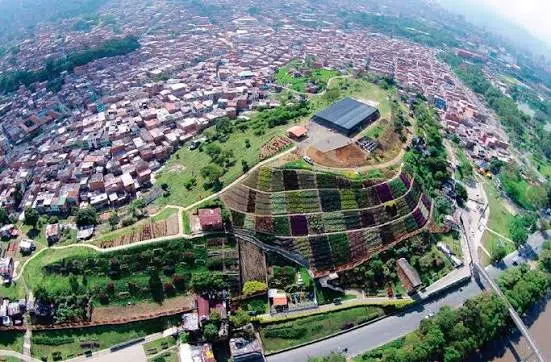
13. Ride the Ayacucho tram
The tram runs from the center into the eastern hills and connects with two cable-car lines. The route is clean, easy to use and gives you a different view of Medellín’s transport system. You can ride it simply for the experience or use it as the start of a longer afternoon in Buenos Aires.

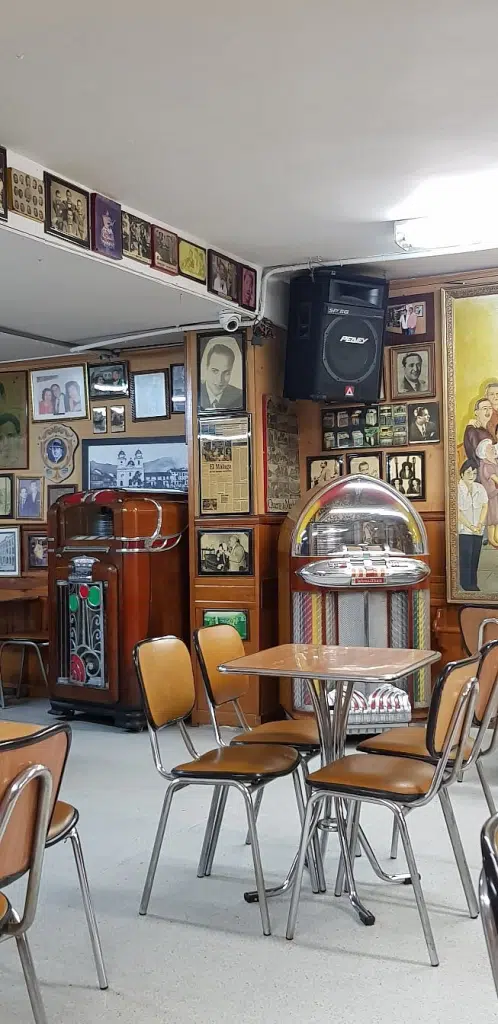
14. Listen to old Medellín at Salón Málaga
Salón Málaga is full of old photographs, jukeboxes and thousands of records. It is one of the few places where the atmosphere of mid-20th-century Medellín still feels close. Go for coffee, live music or simply to look around. The building is more interesting when it is not packed.
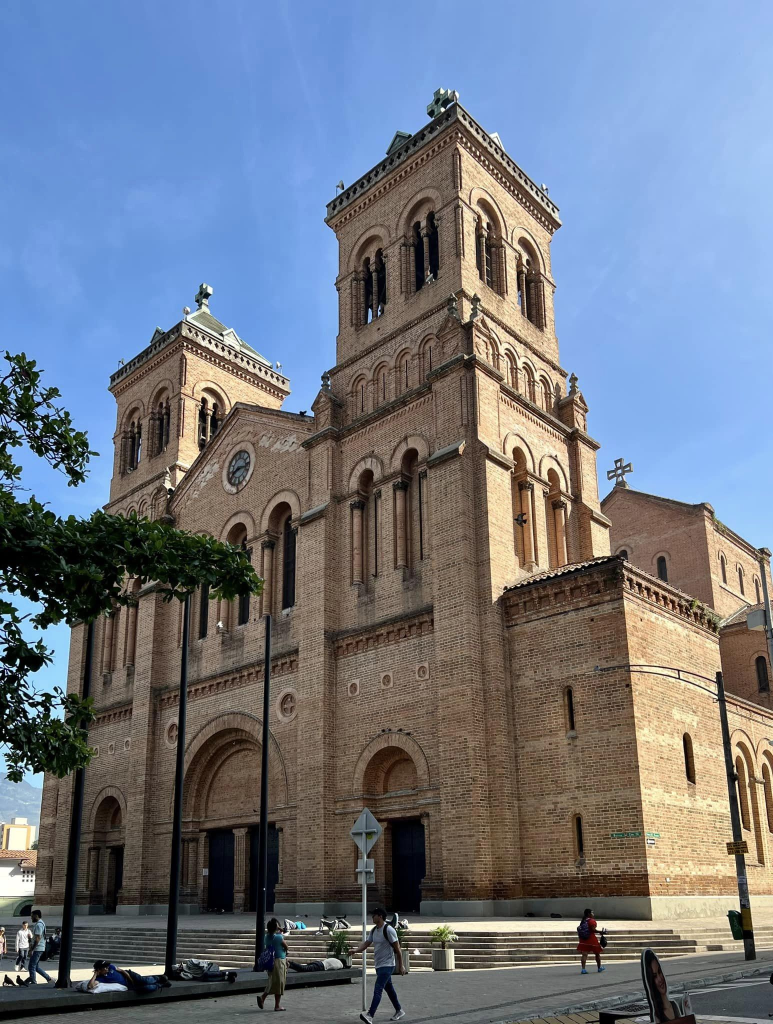
15. Step inside the Metropolitan Cathedral
The brick cathedral faces Parque Bolívar and is one of the largest religious buildings in the city. Even if churches are not normally your thing, the scale of the interior is impressive. Combine it with a daytime walk through Junín and Prado rather than making a separate journey.
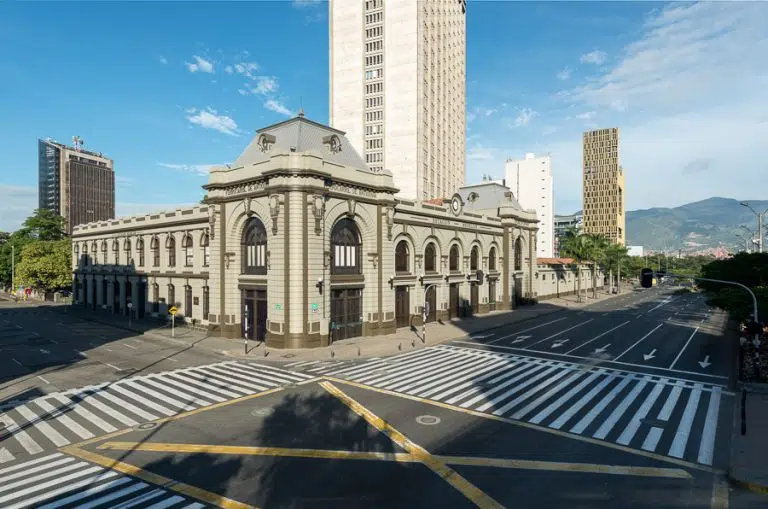
16. Visit the old railway station
Medellín no longer has the railway network that once connected the region, but the old station remains near Plaza Cisneros. The restored building and surrounding area give you a glimpse of the city’s earlier commercial life. It is a short stop, not a major attraction, and fits best into a downtown route.
17. Walk through Prado with a guide
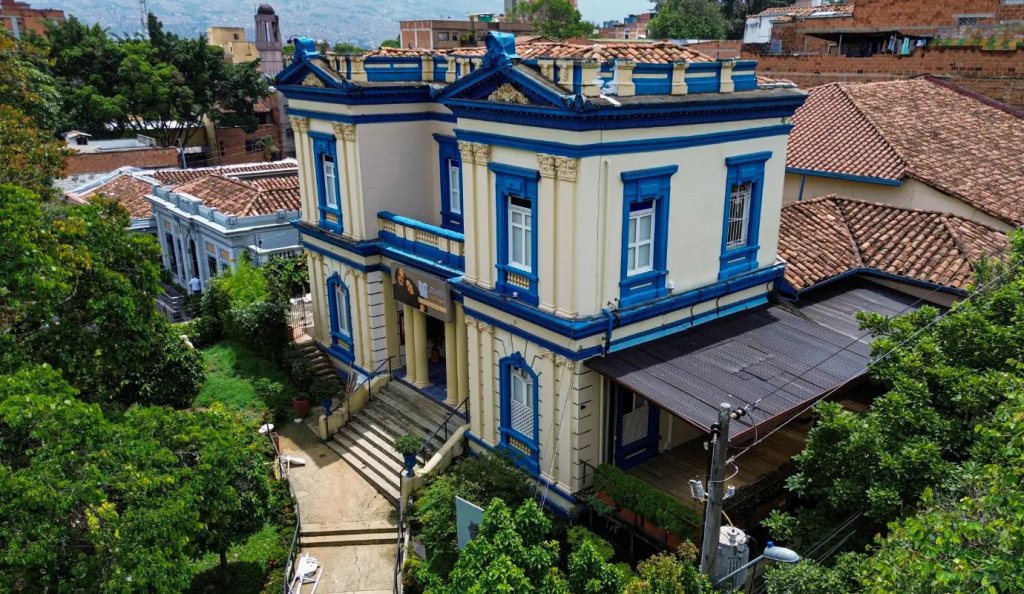
Prado contains some of Medellín’s most beautiful early-20th-century houses. Many are faded, altered or hidden behind walls, which makes the area feel both grand and slightly forgotten. The architecture is easier to appreciate with someone who knows the stories behind the buildings. Visit during the day.
18. Join the Sunday Ciclovía
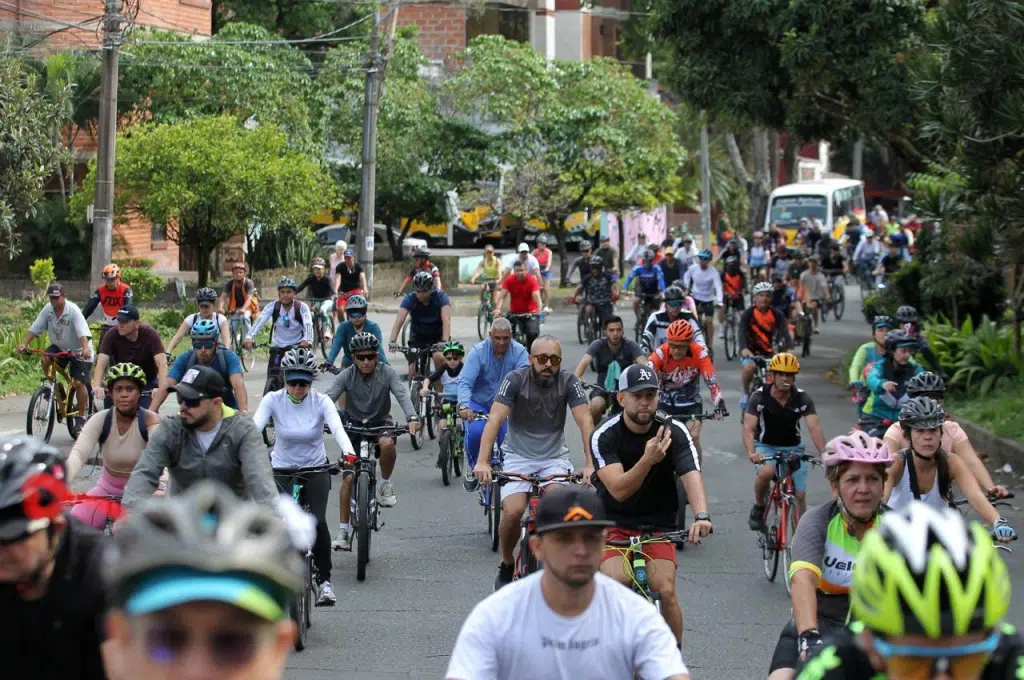
On Sundays and public holidays, parts of several major roads are closed to cars in the morning. Runners, cyclists, families and dog walkers take over. You do not need a bike; walking a section is enough. It is free, local and one of the nicest ways to see how the city spends a Sunday.
Art, museums and unusual buildings
19. Visit the Medellín Museum of Modern Art
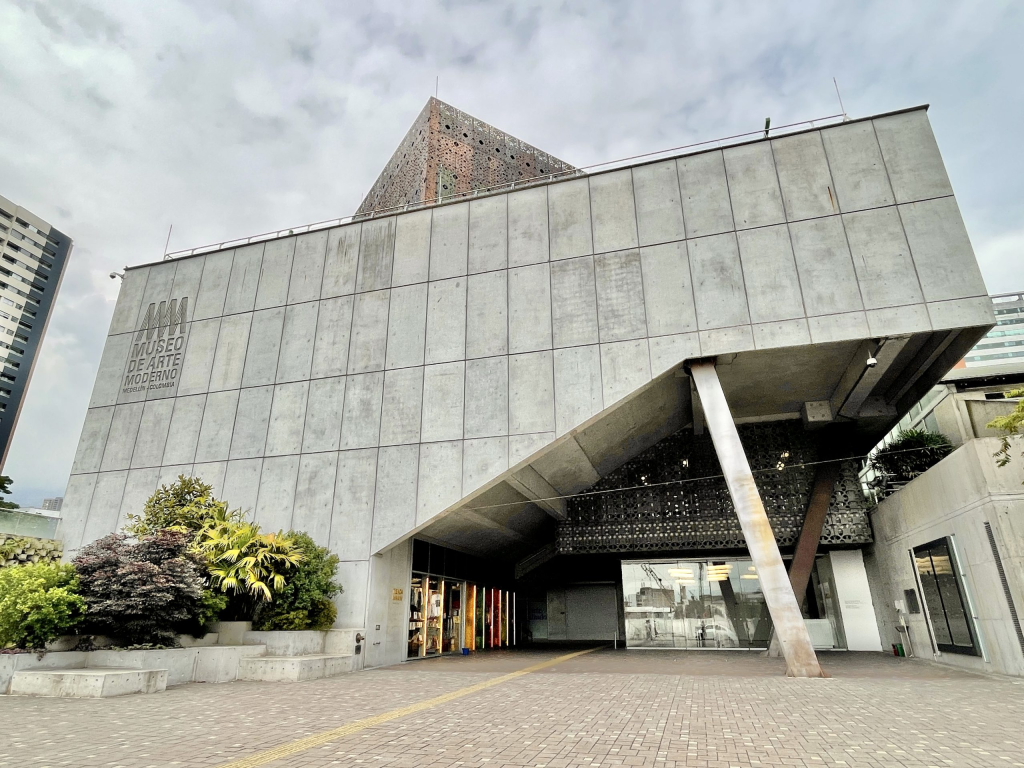
MAMM sits in Ciudad del Río and is the city’s main contemporary art museum. The exhibitions can be uneven, as contemporary art often is, but the building, cinema program and public space around it make the visit worthwhile. Stay for a walk through the park afterward.
20. Tour Museo El Castillo
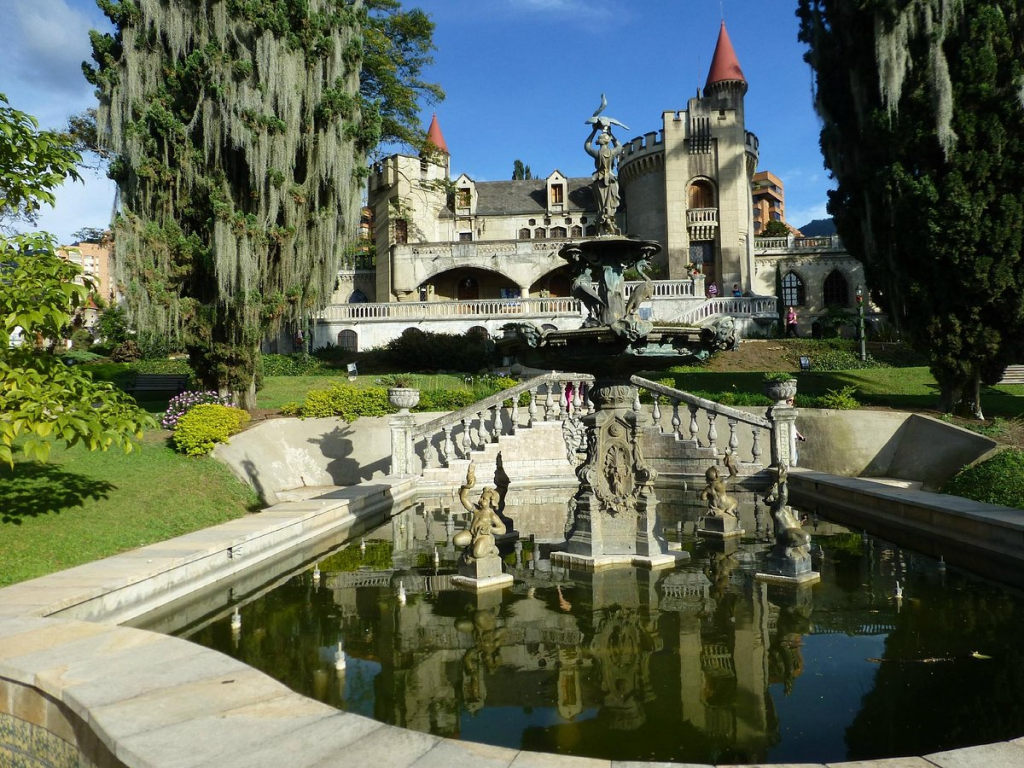
This mansion in El Poblado looks more European than Colombian, with towers, formal rooms and landscaped gardens. The guided tour explains the families who lived there and the collection inside. The gardens are pleasant, though the museum is more interesting if you enjoy architecture and decorative arts.
21. Look inside the Palace of Culture
The black-and-white Palace of Culture beside Plaza Botero is one of the most distinctive buildings downtown. Many people photograph the outside and move on, but the interior is worth checking when exhibitions or public areas are open. It is an easy addition to the museum and sculpture square.
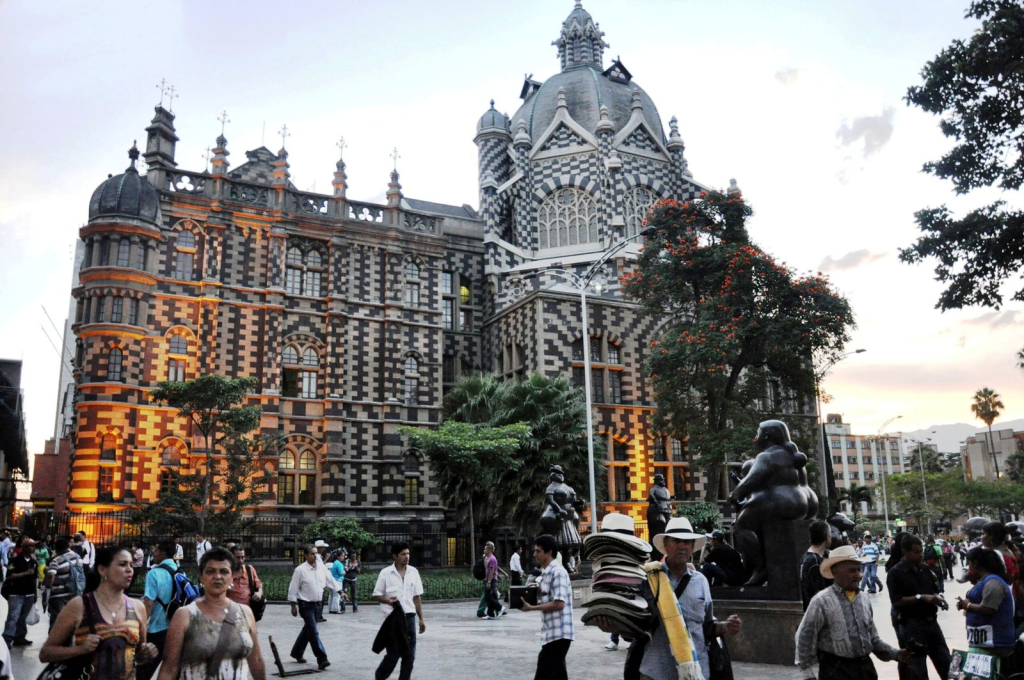
22. Spend a quiet hour at Otraparte
Otraparte was the home of Colombian writer and philosopher Fernando González. The small museum gives you a sense of his life, but the garden café is the reason many people return. It is a calm place to read, work or meet someone in Envigado without the noise of a shopping center.
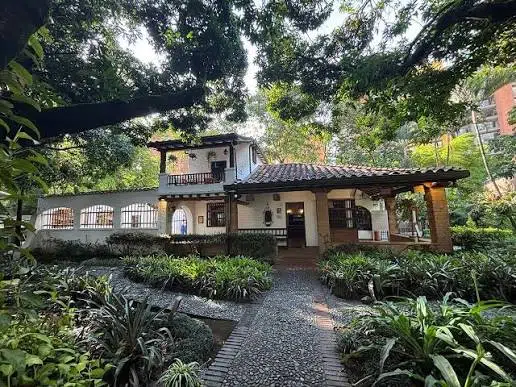
23. See the murals of Pedro Nel Gómez
The former home and studio of artist Pedro Nel Gómez is covered with work about mining, migration, family life and the growth of Medellín. It is less famous than the Botero attractions and usually much quieter. That makes it a good choice for visitors who prefer smaller museums.
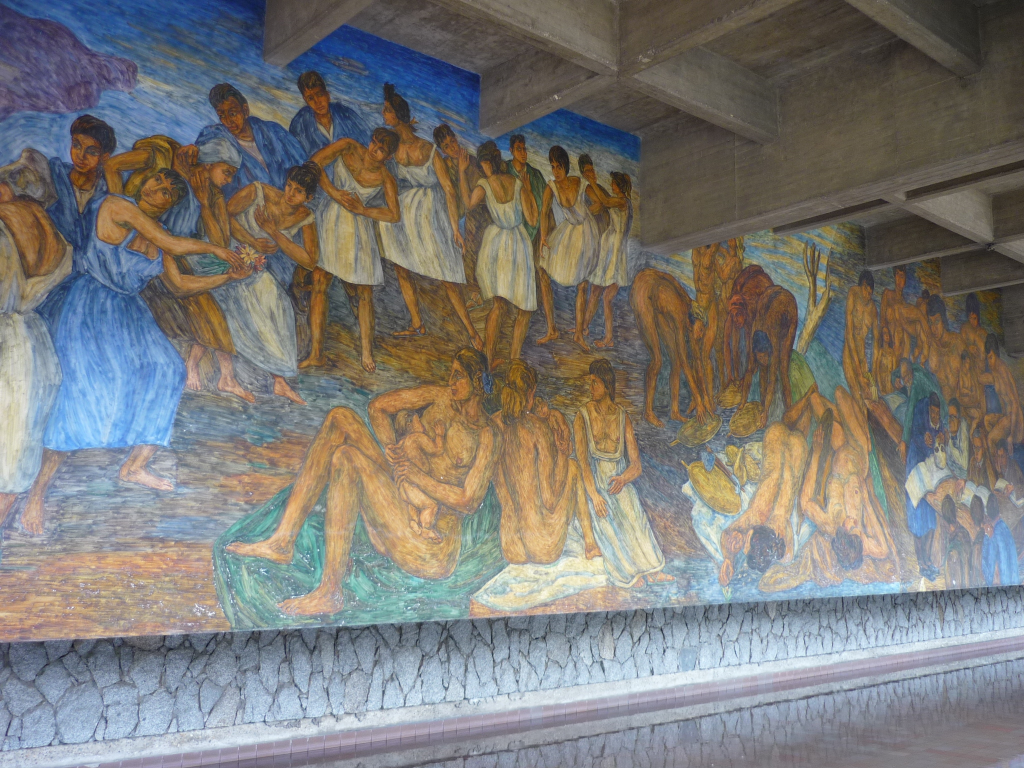
24. Visit Cementerio Museo San Pedro
San Pedro is both a working cemetery and an open-air museum. Its mausoleums, sculptures and family histories tell you a great deal about Medellín’s political and business elite. Guided visits are the best way to understand what you are looking at. Daytime visits are calm and respectful.

25. Try the Museo del Agua
The Water Museum explains where Medellín’s water comes from and how it reaches millions of homes. That may sound dry, but the interactive displays make it surprisingly accessible. It is inexpensive and sits beside Parque de los Pies Descalzos, so the two places work well together.
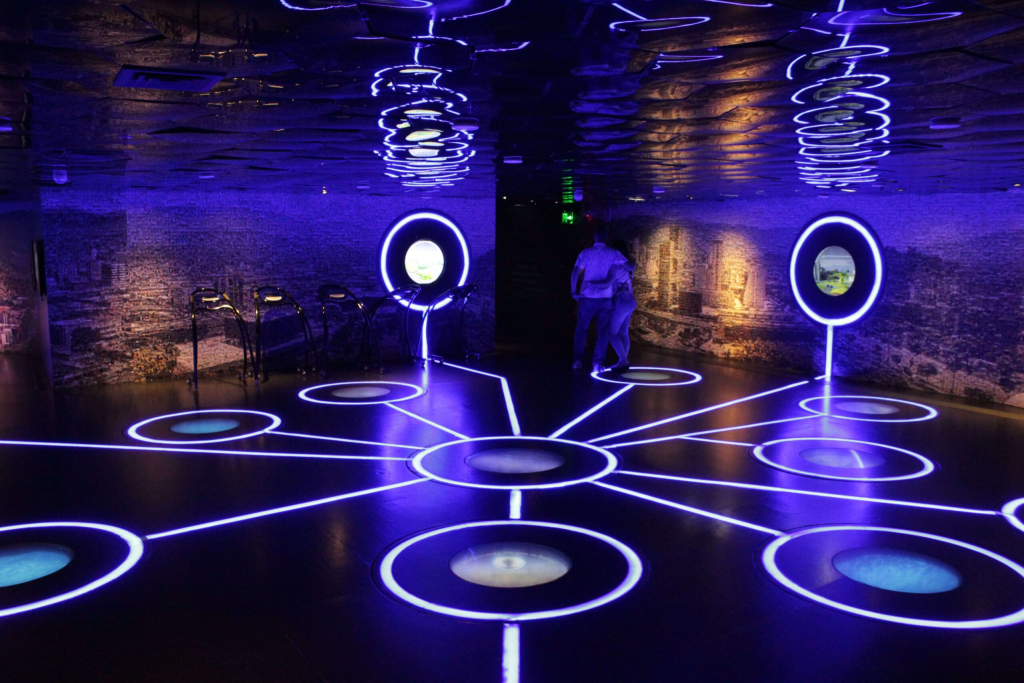
26. See a show at the Planetarium
The Planetarium is next to Parque Explora and the Botanical Garden. The dome shows are the main reason to go, but there are also small astronomy exhibits. Check the daily schedule before arriving, because the show times matter more than the general opening hours.

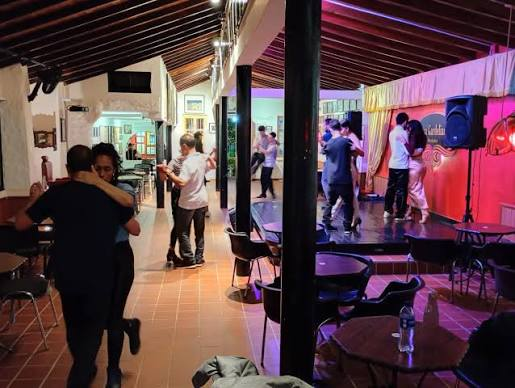
27. Learn about Medellín’s tango connection
Tango has a deep history in Medellín, partly because Carlos Gardel died in a plane crash here in 1935. Casa Gardeliana in Manrique explores that connection through music, photographs and memorabilia. It is a niche museum, but a rewarding one if you enjoy music history.
Parks, walks and viewpoints
28. Walk through Parques del Río
Parques del Río covers part of the highway beside the Medellín River with grass, paths and public spaces. It is not the city’s wildest park, but it is a good example of recent urban design. It becomes especially busy during major events and the Christmas-light season.
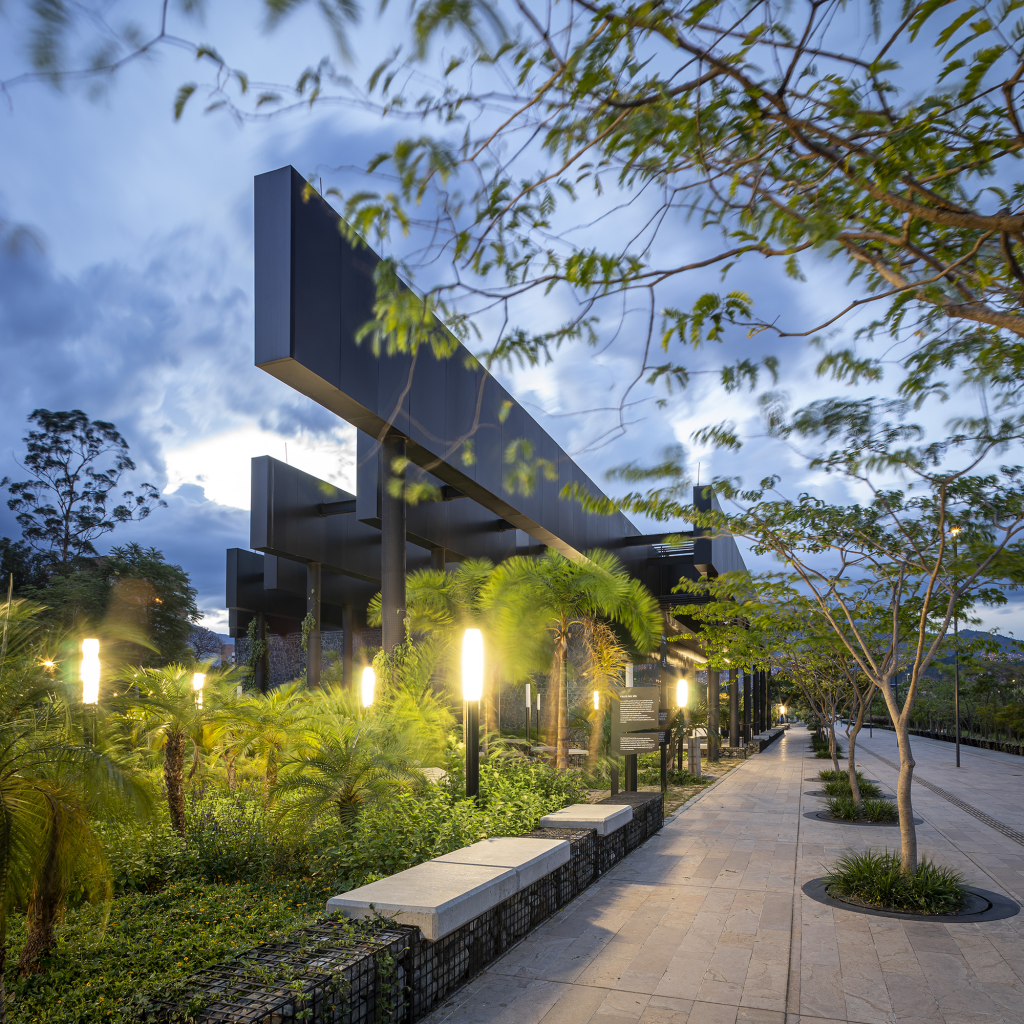
29. Hike Cerro El Volador
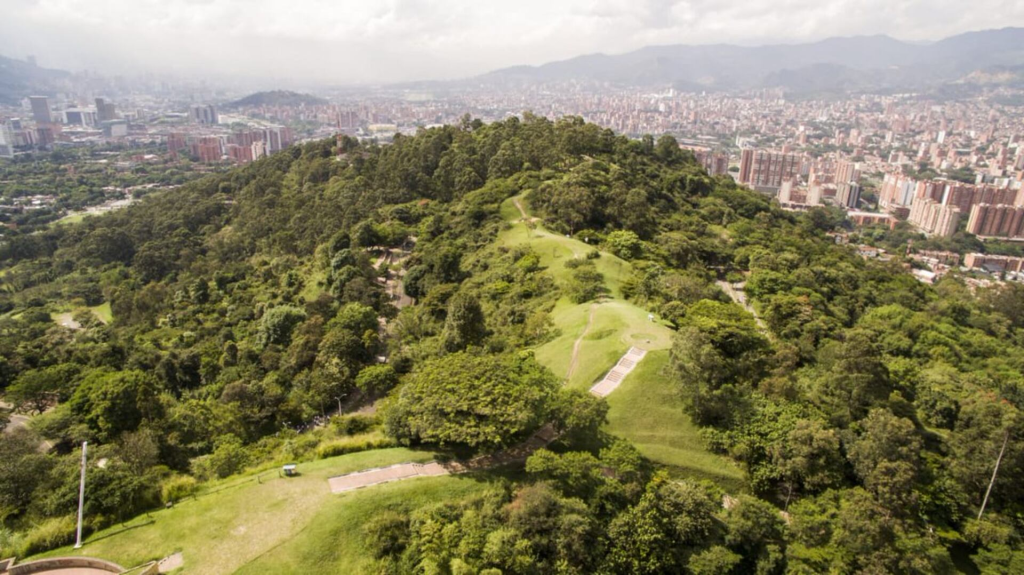
El Volador is one of the city’s best hills for a straightforward walk and broad valley views. The paths are popular with runners and local families, especially on weekends. Go in daylight, use the main routes and avoid carrying unnecessary valuables. Early morning is cooler and usually more pleasant.
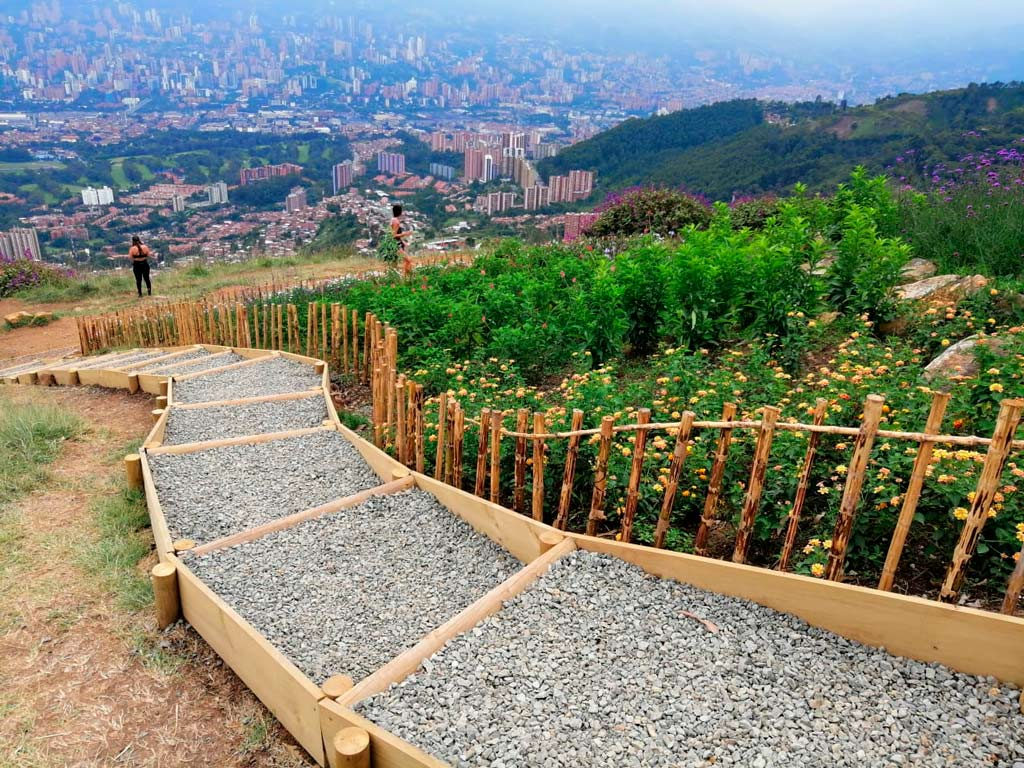
30. Climb Las Tres Cruces
Las Tres Cruces is a short but steep climb above Belén. Locals use it as an outdoor workout, so do not expect a relaxed park stroll. The view is good, but the route can be hot and exposed. Go early, take water and stay on the busy path.
31. Take off your shoes at Parque de los Pies Descalzos
This small city-center park was designed around sand, grass, water and bamboo. It is more relaxing than it sounds, especially for families with children. The surrounding area is busy, so the park works best as part of a visit to Plaza Mayor or the Water Museum.
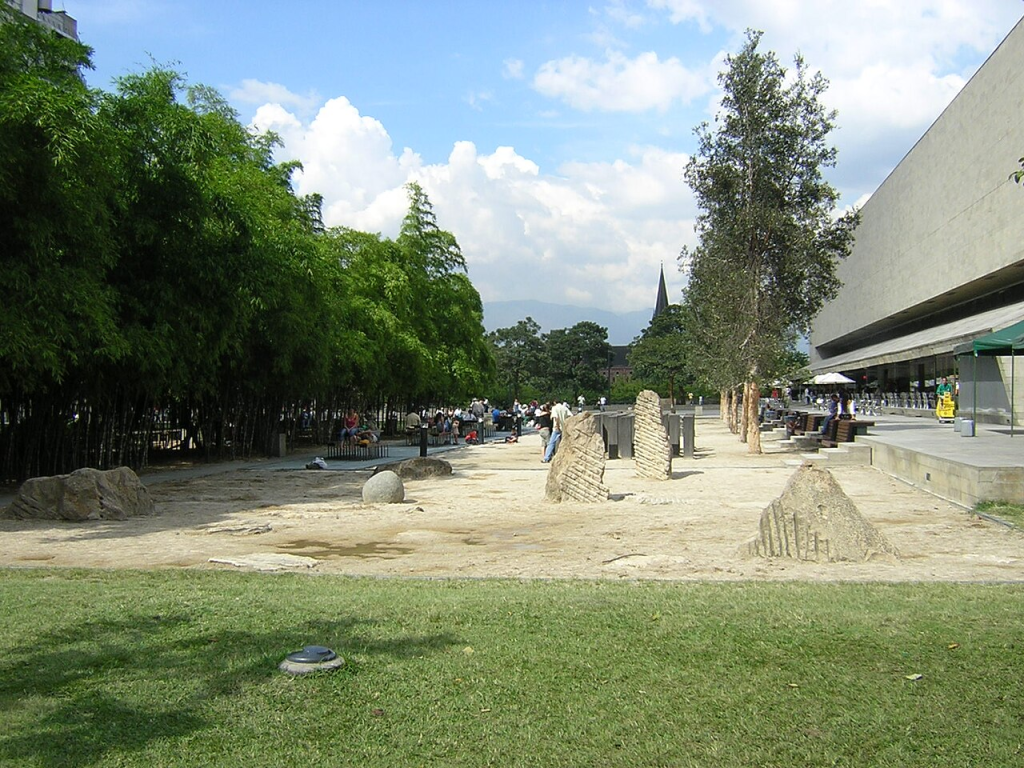
32. Spend an evening in Parque de los Deseos
The open plaza between the Planetarium and Parque Explora often hosts films, talks and cultural events. Even without a scheduled activity, it is a pleasant place to sit after visiting the nearby museums. The area is easy to reach from Universidad Metro station.
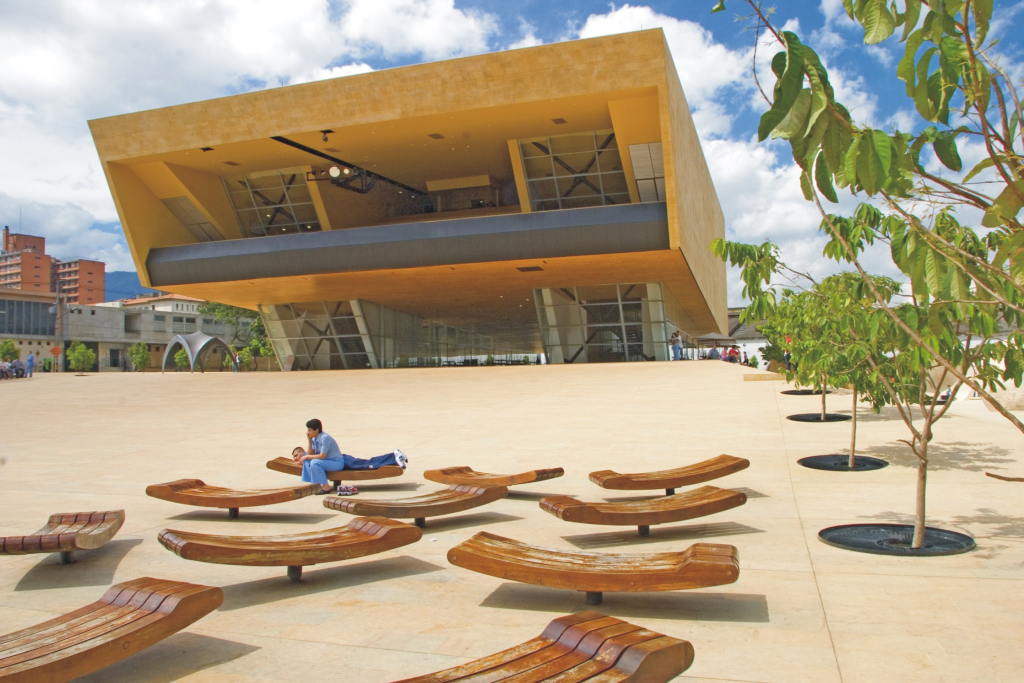
33. Cool off at Parque El Salado
El Salado sits in the hills above Envigado, where a stream runs through a wooded recreation area. It is popular on weekends, especially with families. The natural setting is the main attraction. Arrive earlier in the day if you want a quieter visit.
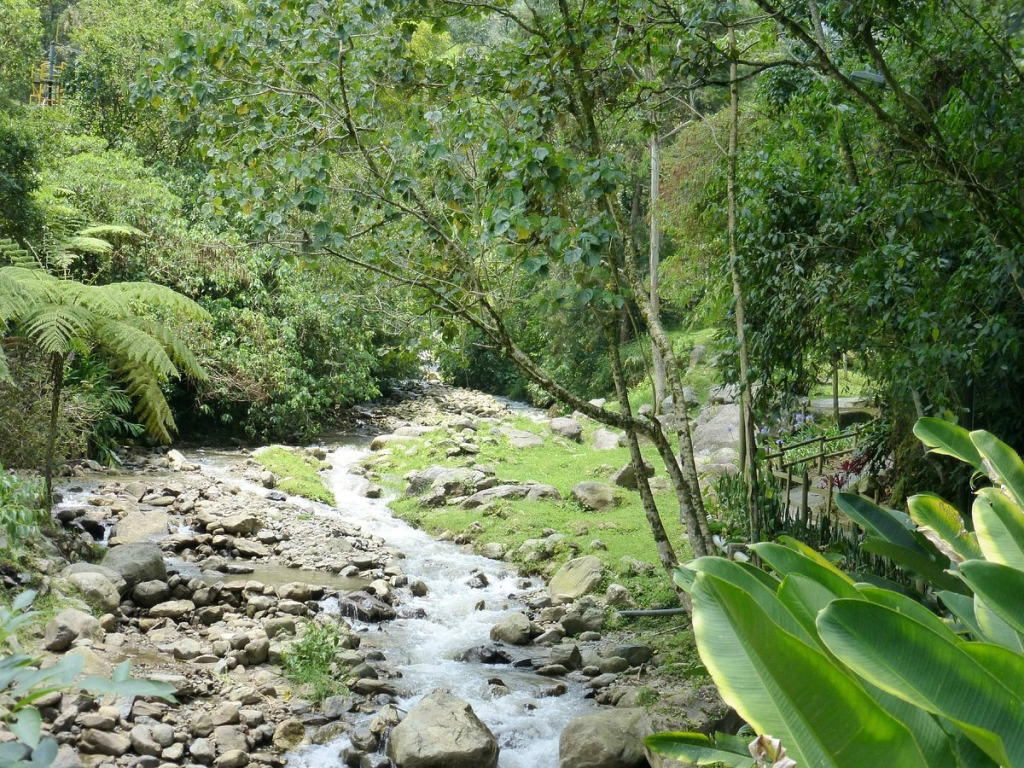
34. Walk in Parque La Asomadera
La Asomadera is a large green area on the eastern side of the city with forest paths and occasional views through the trees. It receives far fewer foreign visitors than the better-known hills. That also means you should check current access conditions and avoid walking alone on empty routes.
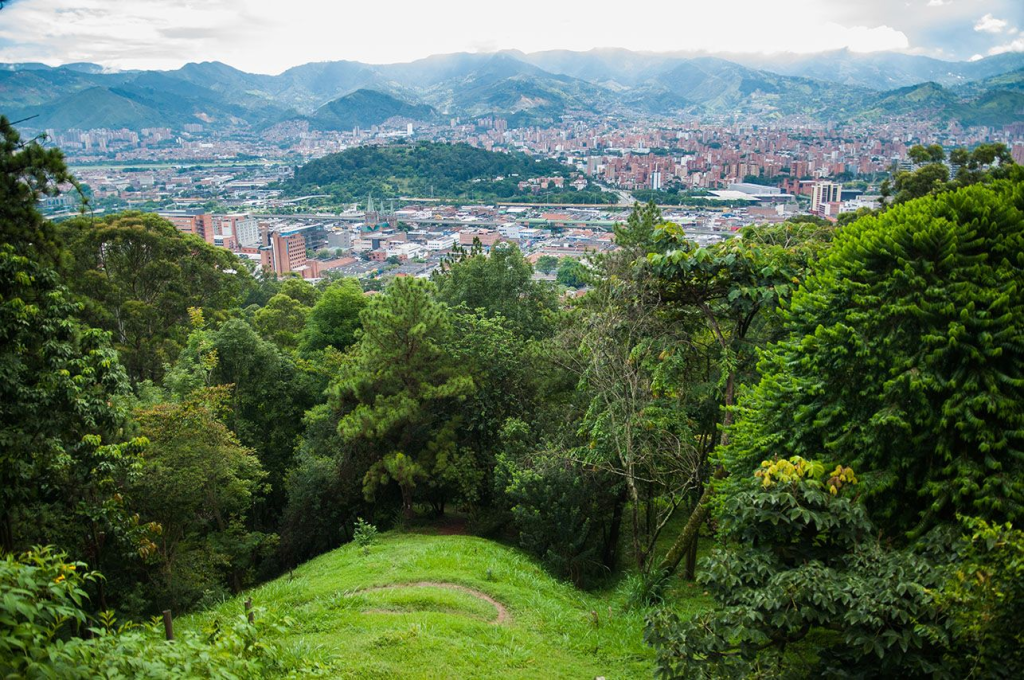
35. Follow the path through Parque de la Presidenta
A stream runs through this narrow park below Provenza. It is useful as a calm walking route between parts of El Poblado and is busiest in the early morning and evening. It is not a destination on its own, but it is a much nicer way to move around the neighborhood than staying beside the main roads.
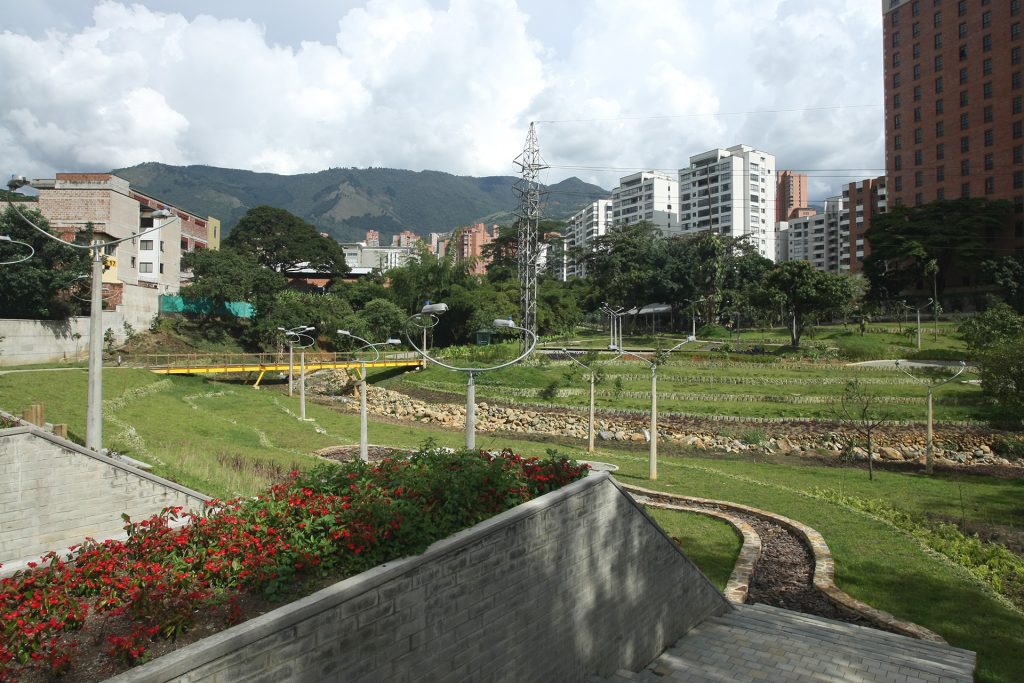
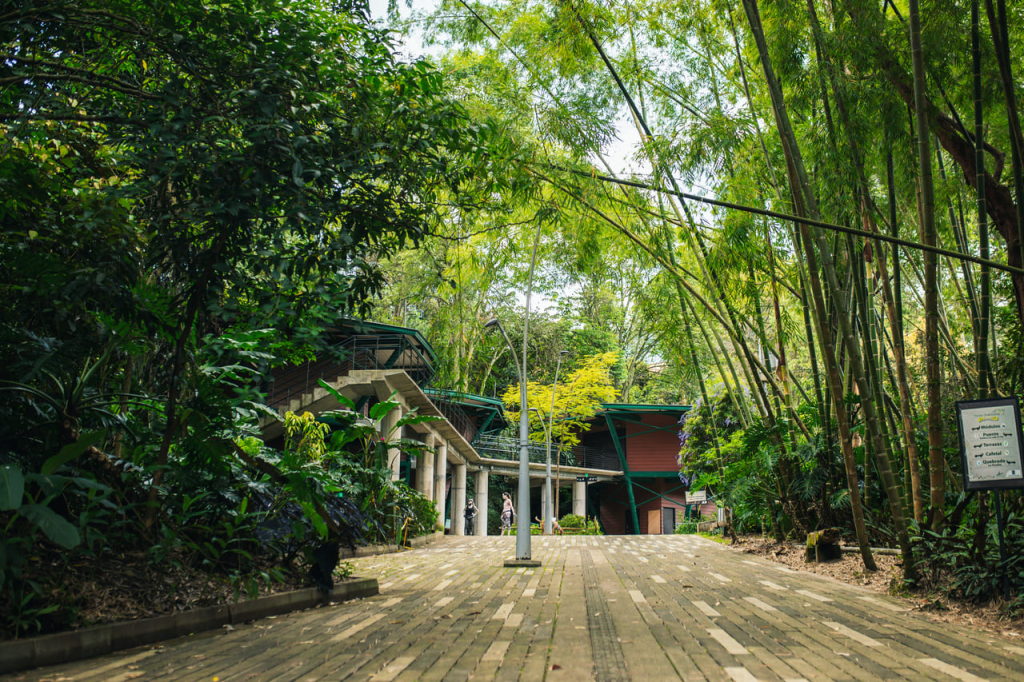
36. Relax in Parque Ambiental La Frontera
This small forested park sits between Medellín and Envigado. The paths, stream and tall trees make it feel surprisingly removed from the surrounding apartment towers. It is best for a quiet walk or a short break, not for a full day out.
Neighborhoods and everyday Medellín
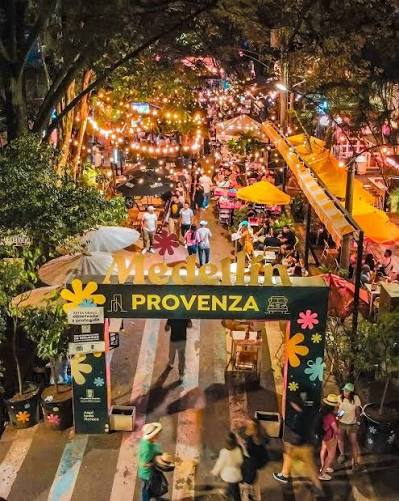
37. Walk through Provenza before the evening rush
Provenza is known for restaurants and late-night crowds, but I prefer it during the day or early evening. The streets are greener and easier to explore, and you can actually notice the small shops, cafés and design details. Prices are higher than in most of the city, so choose carefully rather than assuming every busy place is good.
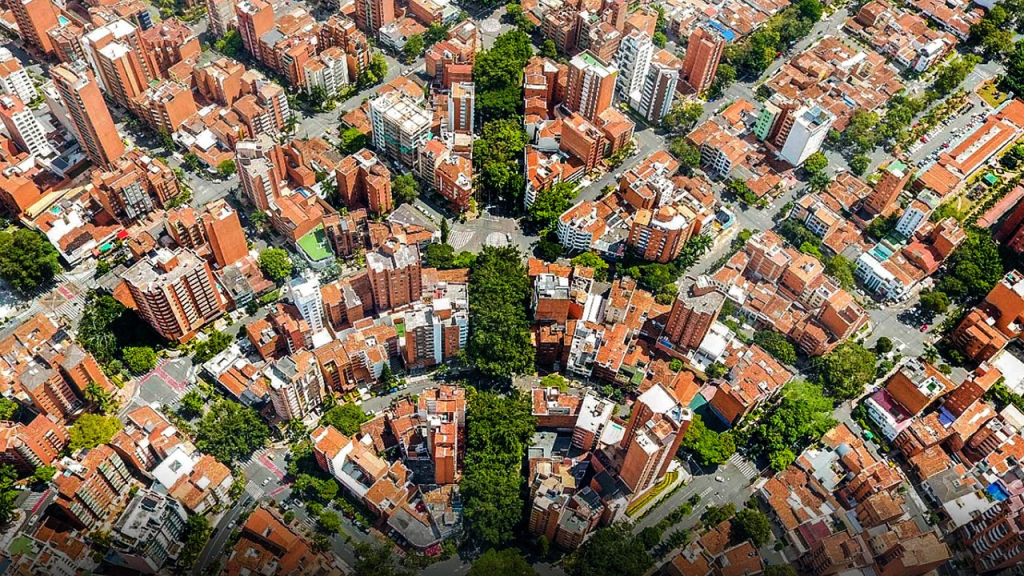
38. Spend an afternoon in Laureles
Laureles is flat, walkable and more relaxed than El Poblado. Start around Primer Parque or Segundo Parque, then wander along Avenida Nutibara and the residential streets. It is a good neighborhood for cafés, lunch and people-watching, though it has become more touristy in recent years.
39. Explore central Envigado
Envigado has grown into a busy city of its own, but the center still feels more traditional than much of Medellín. The main square, church, market streets and older houses are easy to explore on foot. Combine it with Otraparte or a meal nearby.
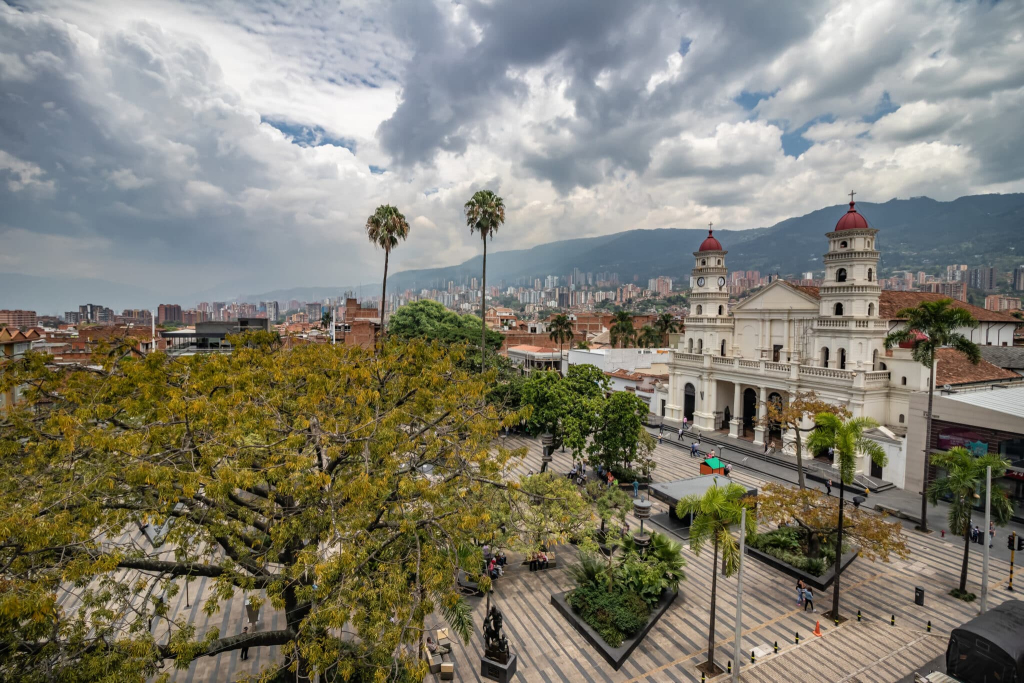
40. Take the Metro to Sabaneta
Sabaneta has one of the most pleasant traditional squares in the metro area. It becomes lively in the evening and on weekends, when families fill the restaurants and cafés around the church. The town has changed quickly, but the center still offers a useful contrast to El Poblado.
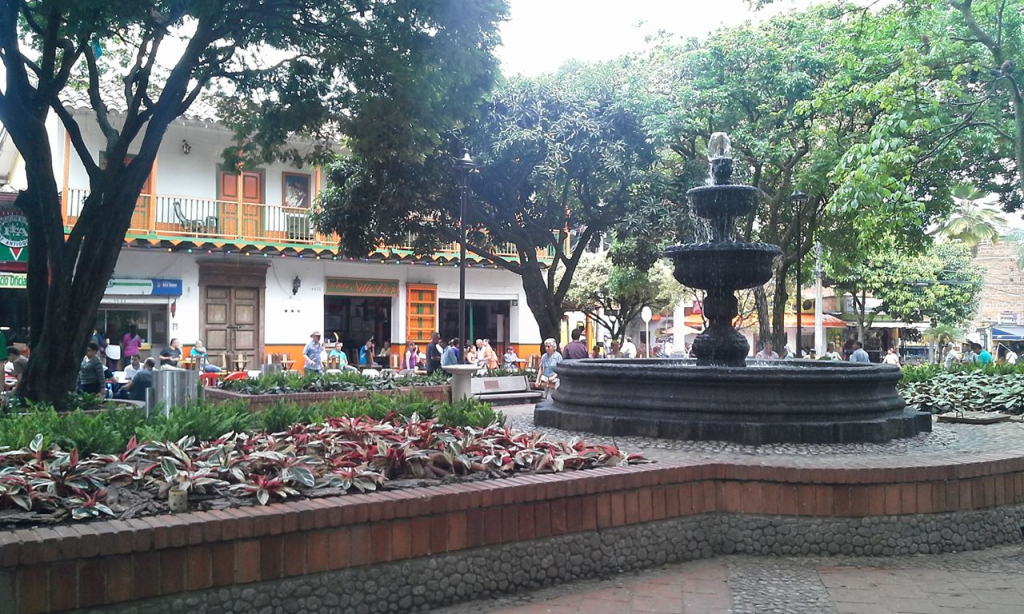
41. Walk around Ciudad del Río
Ciudad del Río combines apartment towers, offices, restaurants, a large park and MAMM. It is one of the easiest parts of the city for a relaxed walk, especially with children or a dog. Visit the museum, sit in the park and see a more modern side of Medellín.
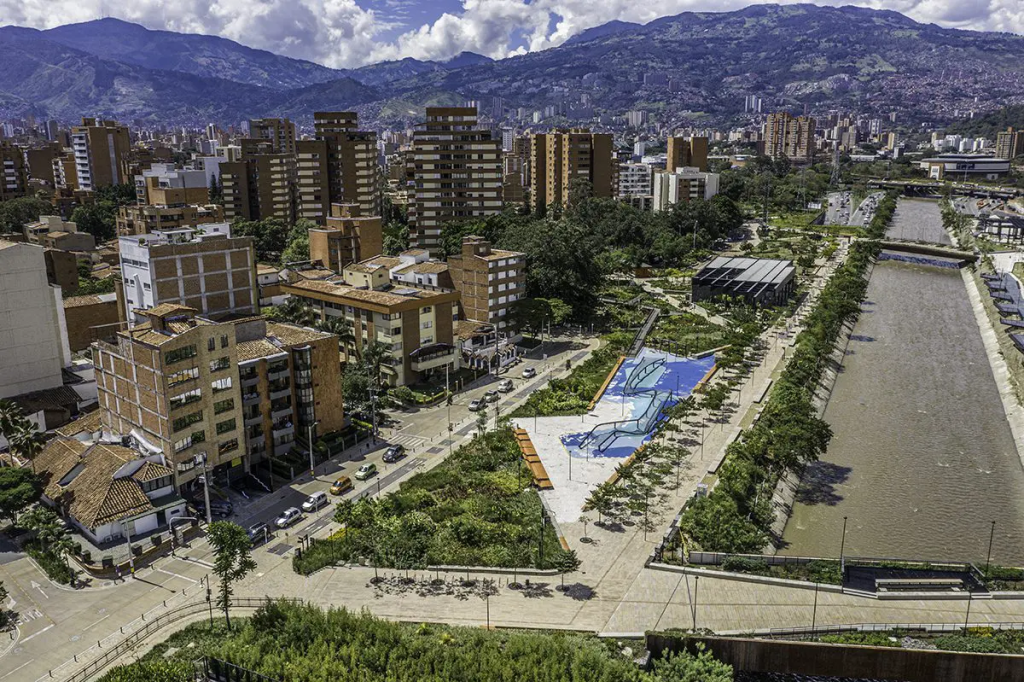
42. Have breakfast in Manila
Manila is a compact part of El Poblado with hostels, cafés and small restaurants. It is still busy, but generally less hectic than Provenza. The neighborhood works well for breakfast or a quiet morning walk before the streets fill up.
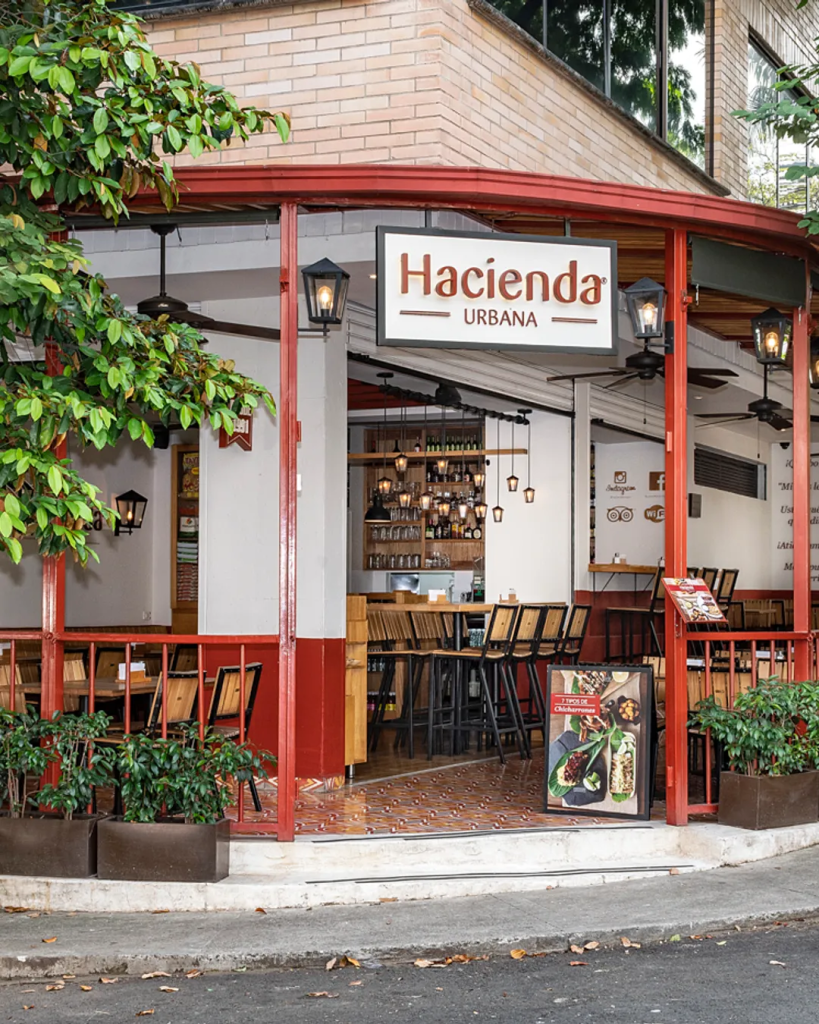
43. See a more local side of Belén
Belén is a large, mostly residential part of western Medellín. It is not built around tourism, which is the point. The central park, neighborhood restaurants and access to Las Tres Cruces make it worth exploring if you have already seen the main sights.
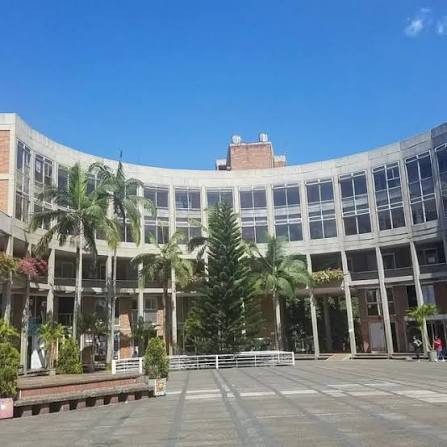
44. Stop for coffee in La Floresta
La Floresta is a low-key neighborhood near the Metro with older houses, local cafés and a slower pace than Laureles. There is no major attraction to tick off. Come here when you want to sit somewhere, walk a few streets and experience an ordinary part of the city.
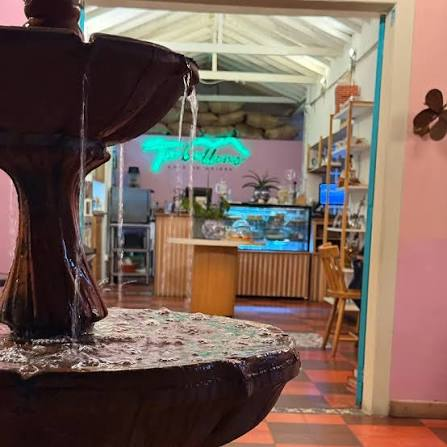
Markets, Colombian food and coffee
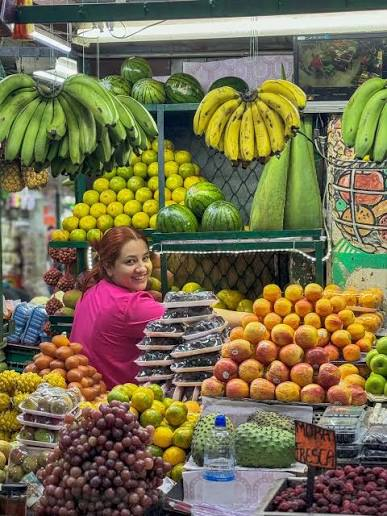
45. Try unfamiliar fruit at Plaza Minorista
The Minorista market is one of the best places to understand how much produce Colombia grows. Go with an appetite and try fruits you may not know, such as lulo, guanábana, granadilla or zapote. The market is crowded and practical rather than pretty, so keep your belongings close and wear shoes that can handle wet floors.
46. Visit Placita de Flórez
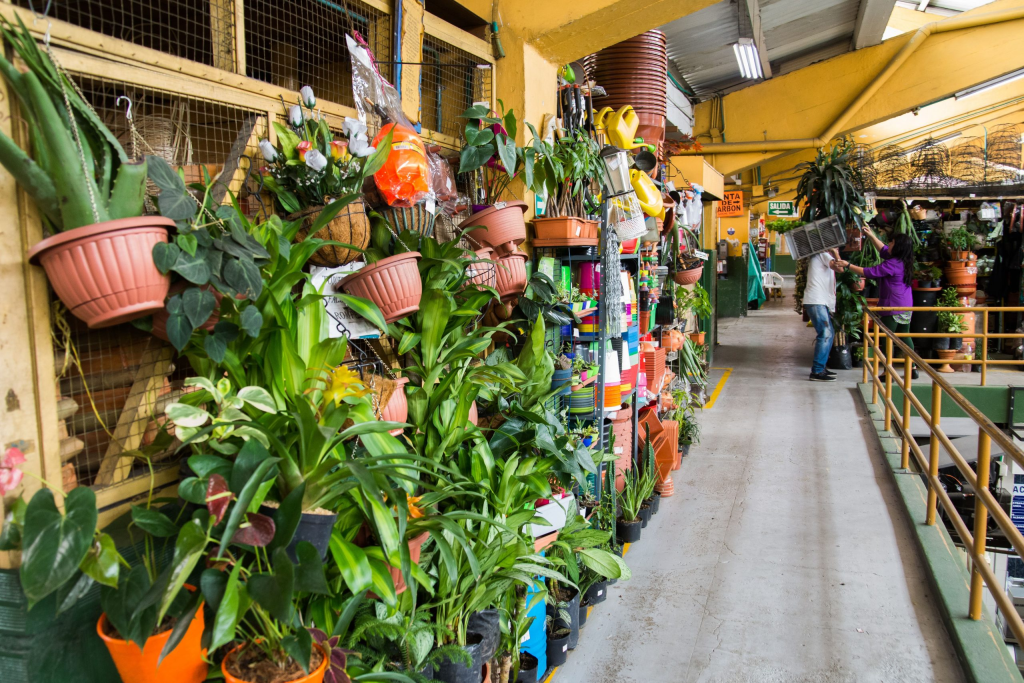
Placita de Flórez is smaller and easier to manage than the Minorista. It is known for flowers, produce, traditional food and small shops. The market is a good introduction to local ingredients without the scale and confusion of the larger wholesale-style markets.
47. Eat your way around Mercado del Río
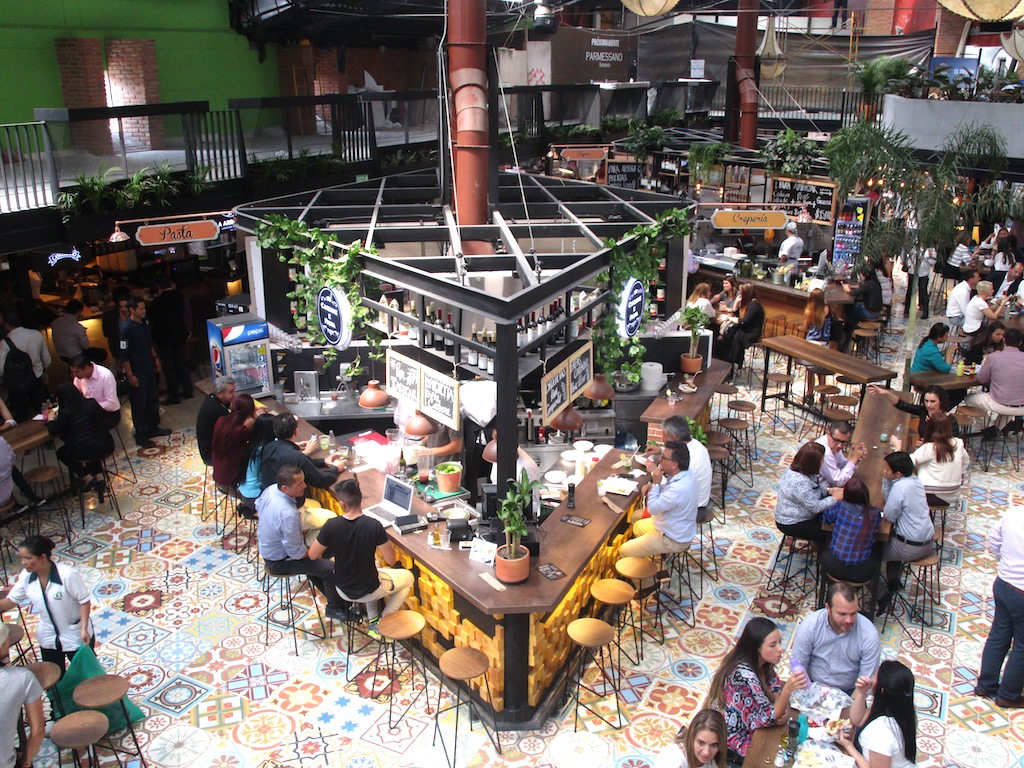
Mercado del Río brings many restaurants together inside a converted warehouse near Ciudad del Río. It is convenient for groups who cannot agree on what to eat. The prices are not especially low, but the variety and central location make it useful.
48. Order a traditional Antioquian lunch
You do not need to eat a giant bandeja paisa to try local food. Mondongo, frijoles, sancocho, arepas, chicharrón and simple set lunches are all part of the regional kitchen. Look beyond the most photographed restaurants and try a busy neighborhood place at lunchtime.

49. Build your own street-food tasting route
A casual food walk can include empanadas, buñuelos, arepas de chócolo, obleas and fresh juice. Buy small portions and share if you want to try several things. Street stalls vary a lot, so choose places that are busy and prepare food in front of you.

50. Compare Medellín’s specialty coffee shops
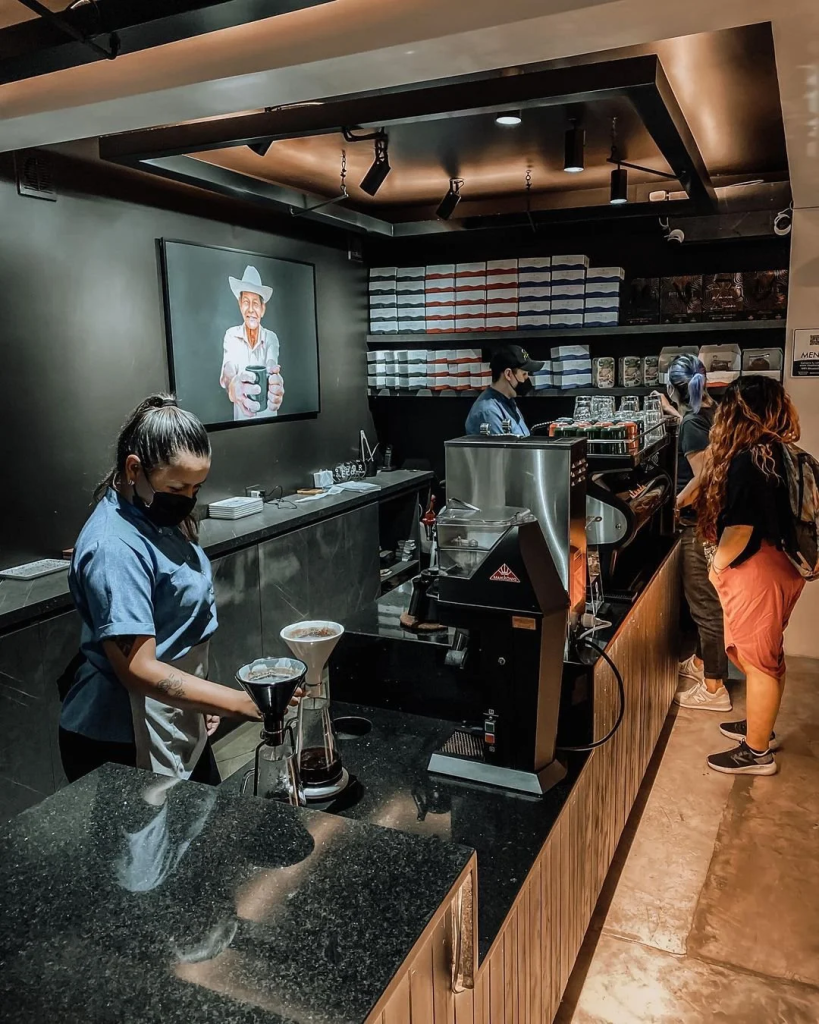
Colombia produces famous coffee, but much of the best coffee was historically exported. That has changed, and Medellín now has many serious cafés serving beans from different regions. Ask where the coffee comes from and try the same bean prepared in two different ways.
51. Visit a coffee farm near the city
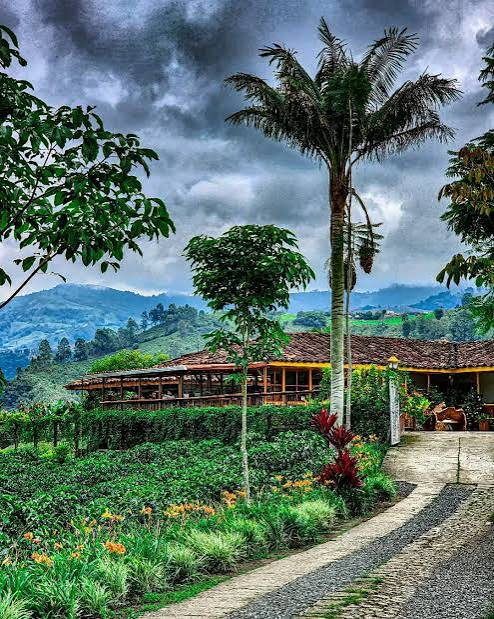
You do not need to travel to the Coffee Region to see how coffee is grown and processed. Small farms on the edges of Medellín and in nearby municipalities offer guided visits. Choose a tour that spends time on the farm rather than only offering a quick tasting and souvenir stop.
52. Browse a Mercados Campesinos market
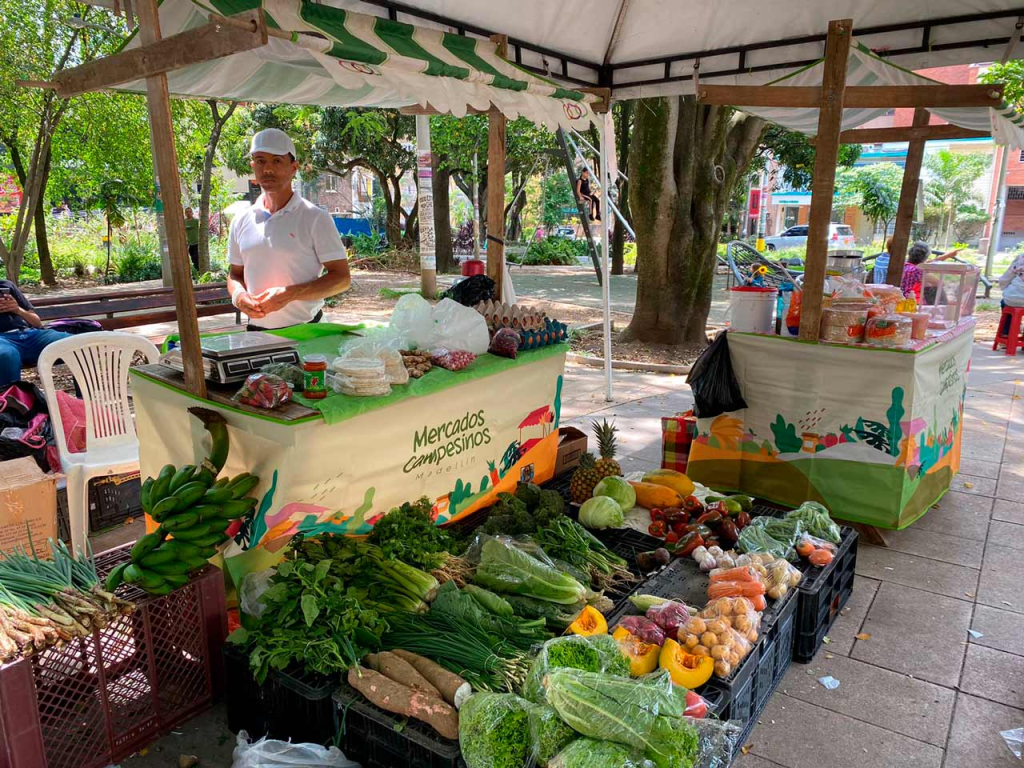
The city’s farmers’ markets bring rural producers into different neighborhoods on weekends. You can find fruit, vegetables, bread, cheese, coffee and prepared food. Locations and schedules change, so check the current program before going. It is a simple way to support small producers directly.
Things to do with children
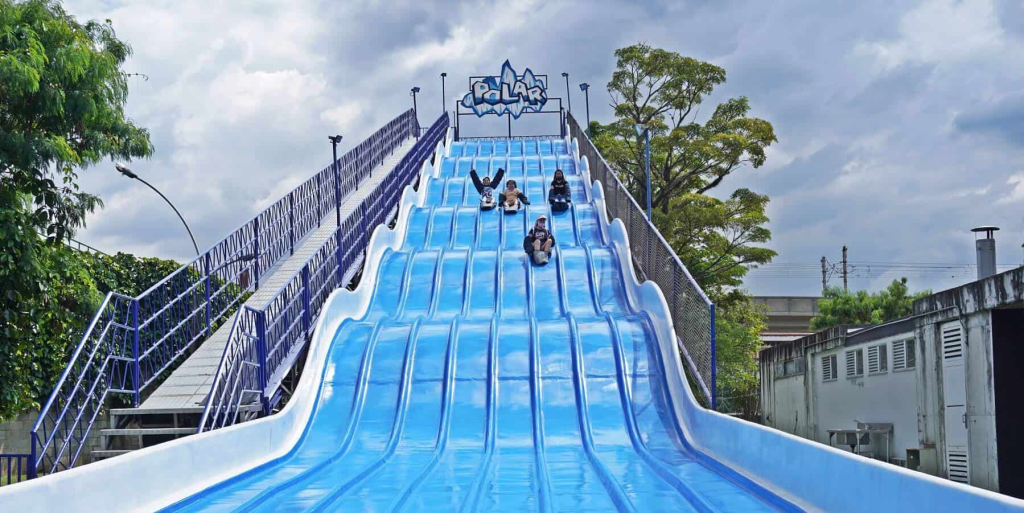
53. Ride the attractions at Parque Norte
Parque Norte is Medellín’s traditional amusement park, with rides for different ages and a large lake in the middle. It sits close to the Botanical Garden and Parque Explora, so families can combine several attractions in the same area. Check which rides are operating before buying a pass.
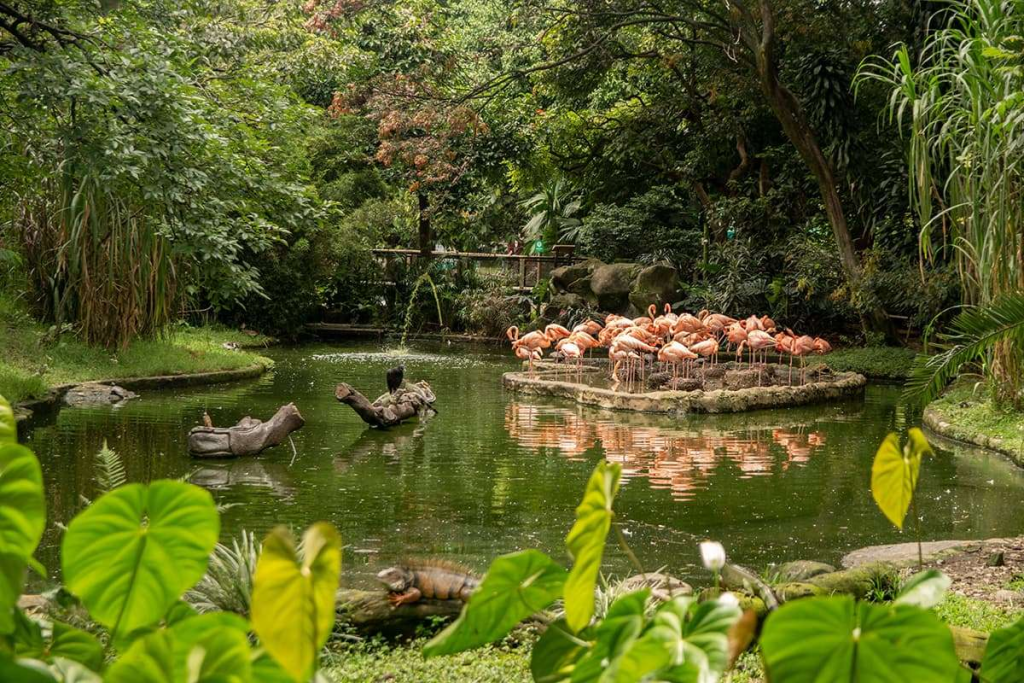
54. Visit Parque de la Conservación
The former city zoo now focuses more strongly on conservation and education. It is compact enough for younger children and includes shaded areas, gardens and rescued animals. The visit is easier in the morning before the hottest part of the day.
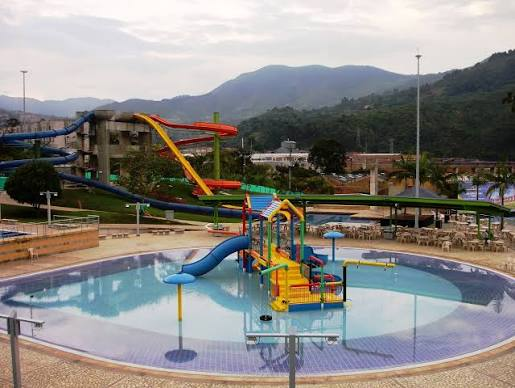
55. Spend a warm day at Aeroparque Juan Pablo II
This recreation complex is best known for its pools and water areas. It is a local family plan rather than a polished tourist attraction. Bring what you need for a pool day and check entry rules, swim-cap requirements and maintenance closures before leaving.

56. Go to Acuaparque Ditaires
Ditaires in Itagüí has pools, slides and green space. It can get crowded during weekends and school holidays, so a weekday visit is easier when possible. Confirm which areas are open, because public water parks sometimes close sections for maintenance.
57. Run around Parque de las Chimeneas
This large park in Itagüí has lawns, walking paths and open space for children. The old industrial chimney gives the park its name. It is free and works well for a picnic or a break from indoor attractions.
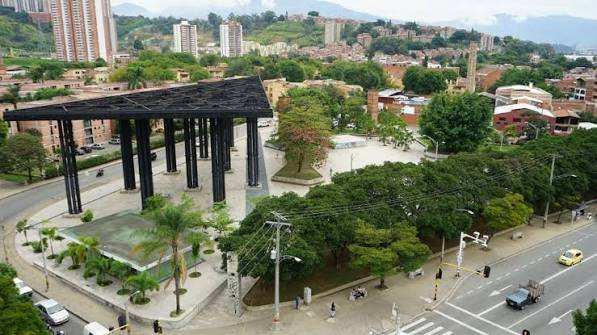
58. Enjoy the views and play areas at El Tesoro
El Tesoro is a shopping center, but its open layout, mountain views and children’s areas make it more pleasant than a typical mall. It is useful on a rainy day or when a family needs an easy place for food and a few hours of entertainment.

59. See the seasonal flower display at Santafé
Santafé shopping center creates a large flower display in its central atrium during part of the year. The design changes, and it is usually free to see. Check the current dates before visiting specifically for it, since the installation is seasonal rather than permanent.

Day trips and towns near Medellín
60. Walk the colonial streets of Santa Fe de Antioquia
Santa Fe de Antioquia is warmer, flatter and much older than Medellín. Its white buildings, shaded courtyards and cobbled streets make it an easy change of pace. The Puente de Occidente is outside the center, so plan transport if you want to see both in one day.
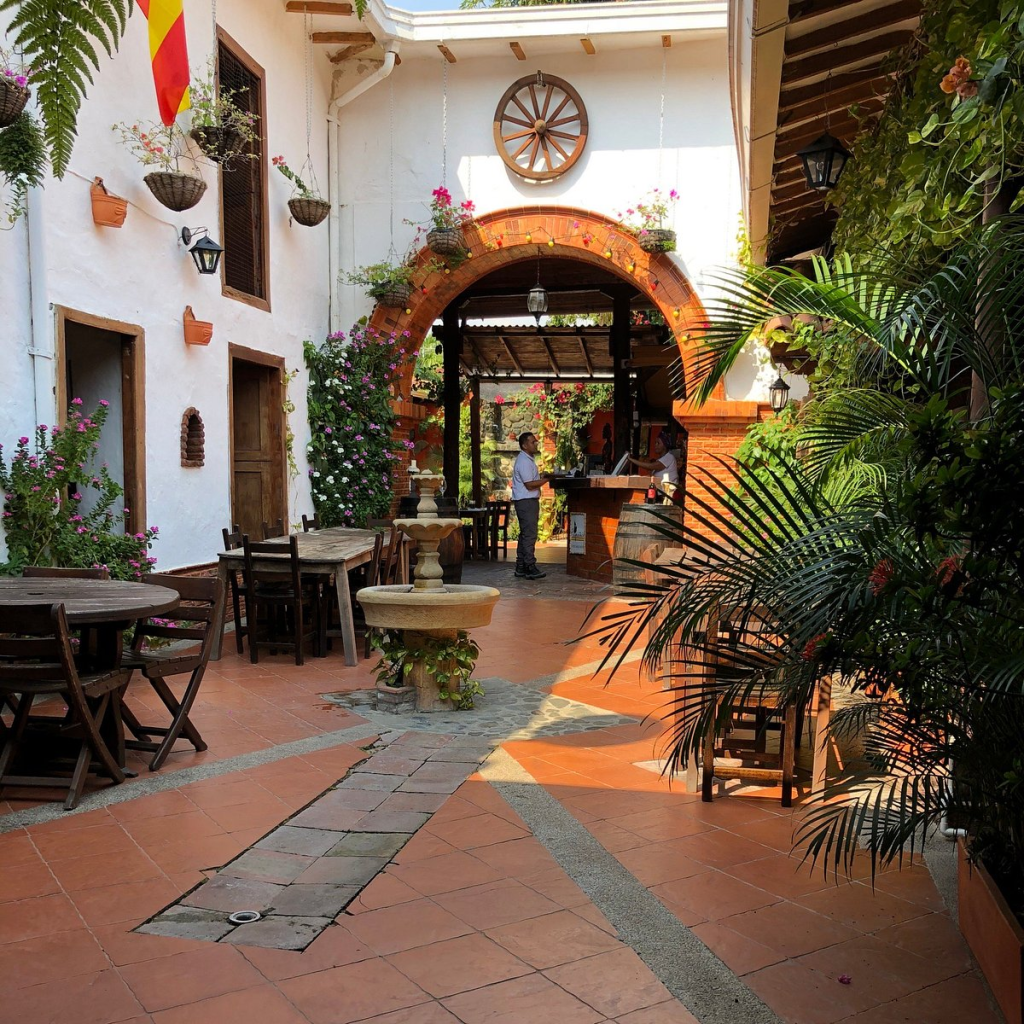
61. Stay longer than a few hours in Jardín
Jardín is one of Antioquia’s most attractive towns, but the journey is long enough that an overnight stay is better. The main square is beautiful, yet the countryside, birdwatching and small farms are what make the trip special. If you only go for the plaza, you miss much of the point.
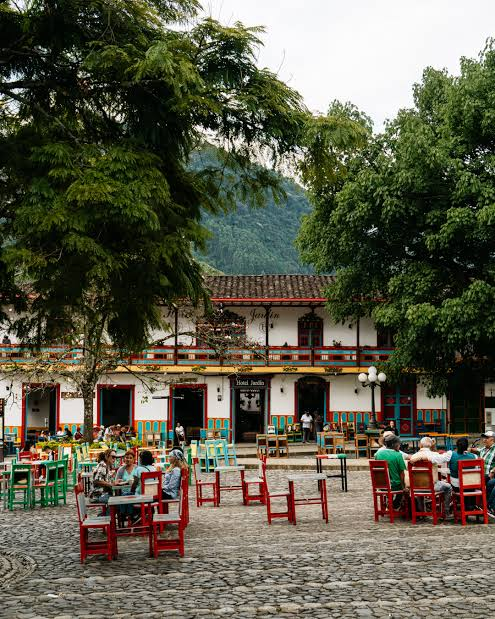
62. Visit a flower farm in Santa Elena
Santa Elena is the rural area above Medellín where many silletero families live and grow flowers. Several farms welcome visitors and explain how the large flower displays are made. It is more personal than seeing the finished parade and works throughout much of the year.
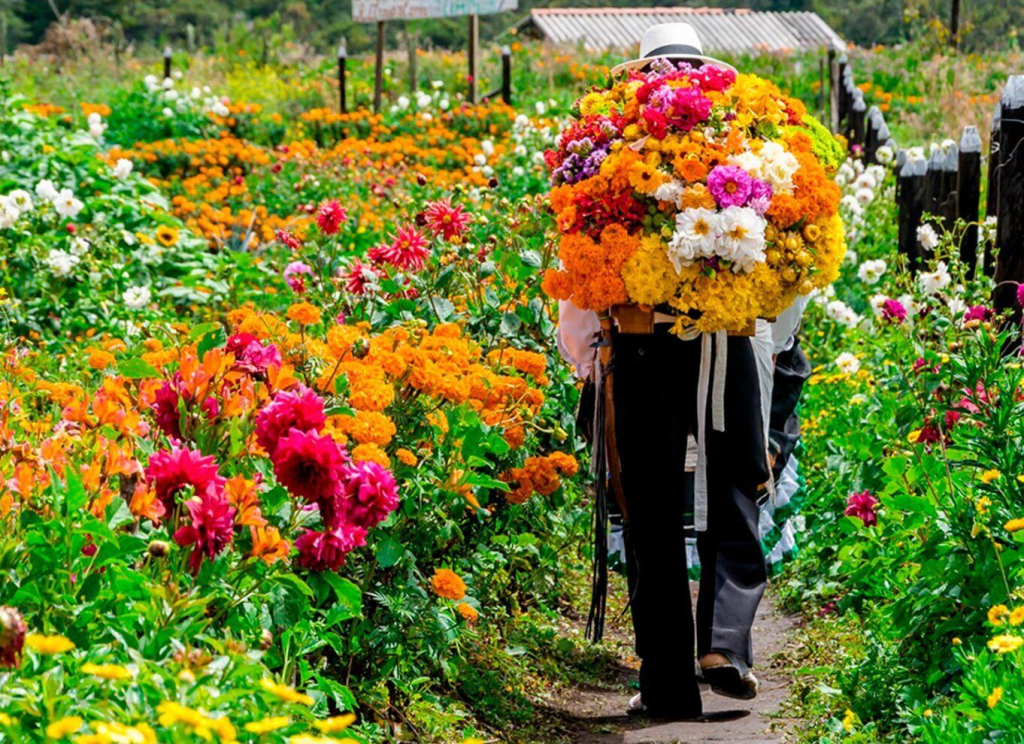
63. Have a slow lunch in El Retiro
El Retiro is a cool, green town southeast of Medellín with a traditional square and a long history of woodworking. The drive is part of the appeal, with restaurants and viewpoints along the way. It is best for a relaxed day rather than a packed sightseeing schedule.
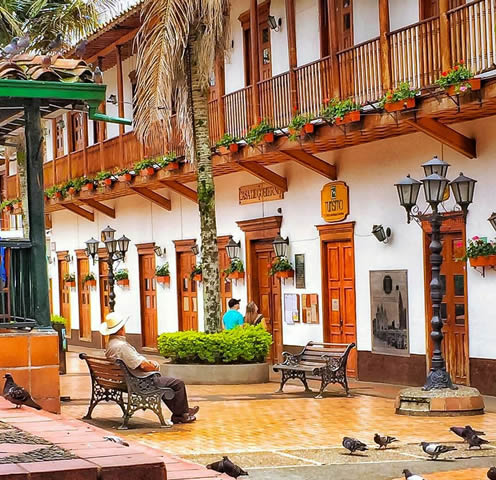
64. Visit Rionegro and San Antonio de Pereira
Rionegro has a historic center that many airport passengers never see. Nearby San Antonio de Pereira is known for desserts and a lively main square. The two places can be combined easily, though weekends are much busier.
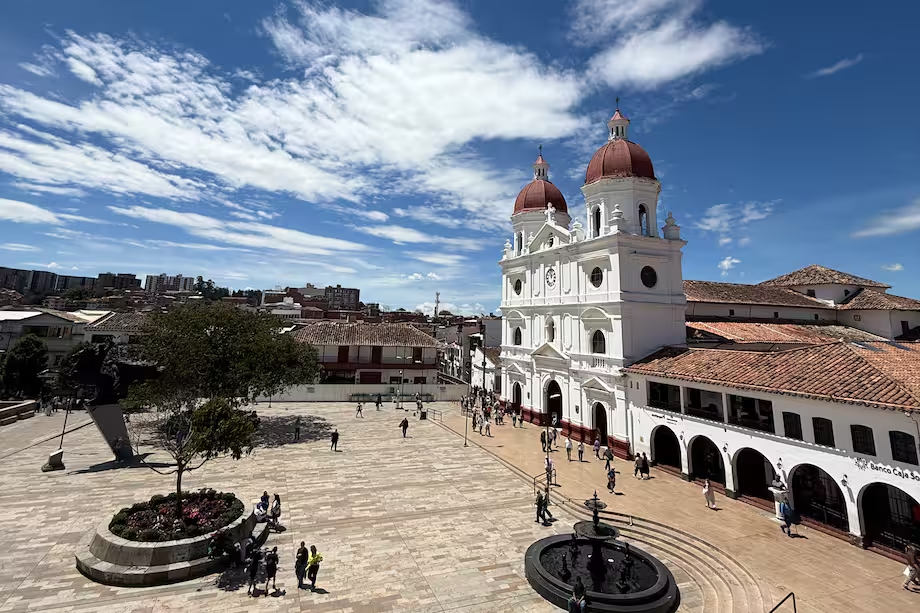
65. Spend a day in La Ceja
La Ceja is flatter and less tourist-focused than many Antioquian towns. Its square, cycling culture and surrounding farms give it an everyday feel. It is a good choice if you want a simple local day out without a major attraction.
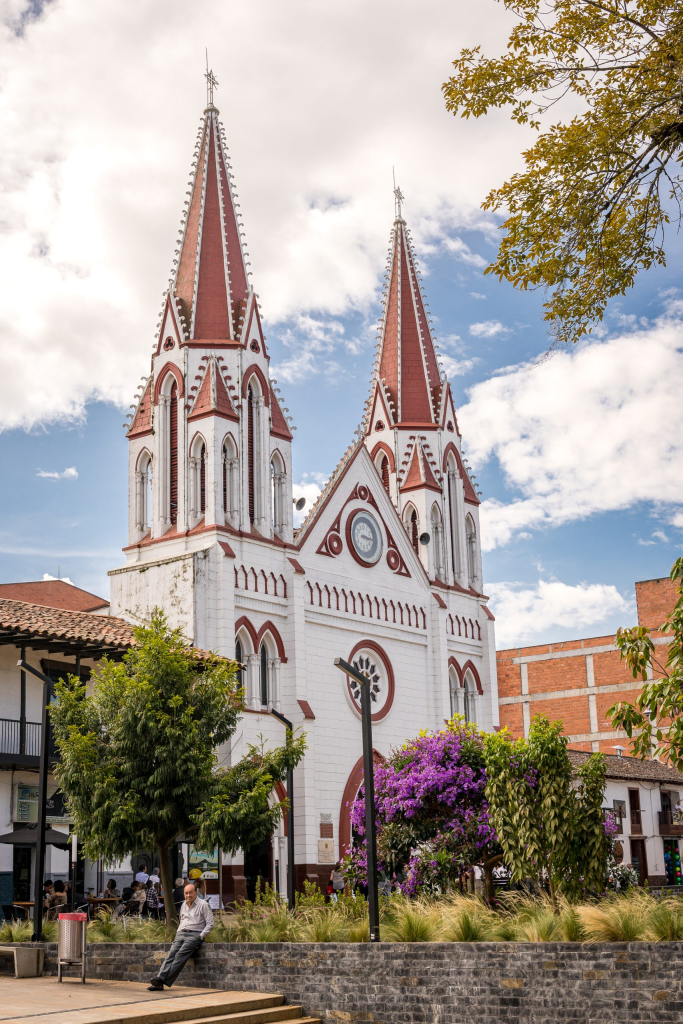
66. Swim and slow down in San Rafael
San Rafael is surrounded by rivers and natural swimming areas. The town is farther from Medellín than Guatapé, so staying overnight is more comfortable. Water conditions change after heavy rain, and visitors should use established access points rather than isolated spots.
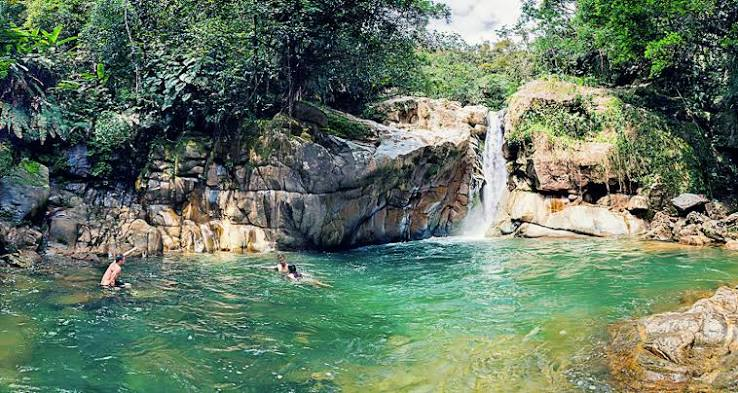
67. Explore the river and canyon at Río Claro
Río Claro is a nature reserve known for clear water, marble formations and forest. It is a long journey from Medellín, and an overnight stay makes more sense than a rushed day trip. The reserve offers guided activities, but you can also enjoy the setting at a slower pace.
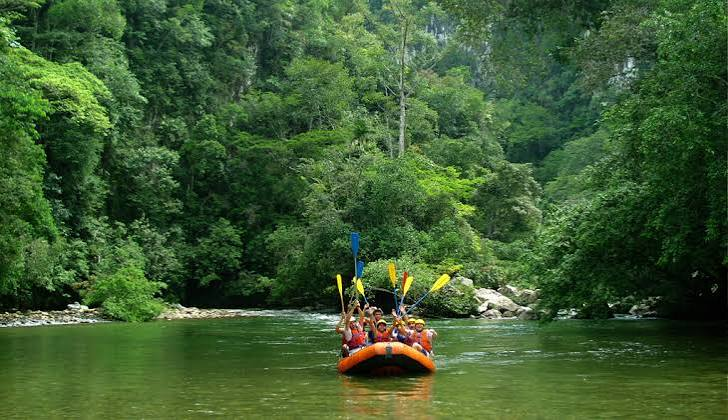
68. Take the scenic road to Jericó
Jericó has colorful streets, mountain views and a strong local identity. It is also the birthplace of Saint Laura Montoya. The trip from Medellín is long and winding, so stay overnight if possible. The town is worth more than a quick photo stop.
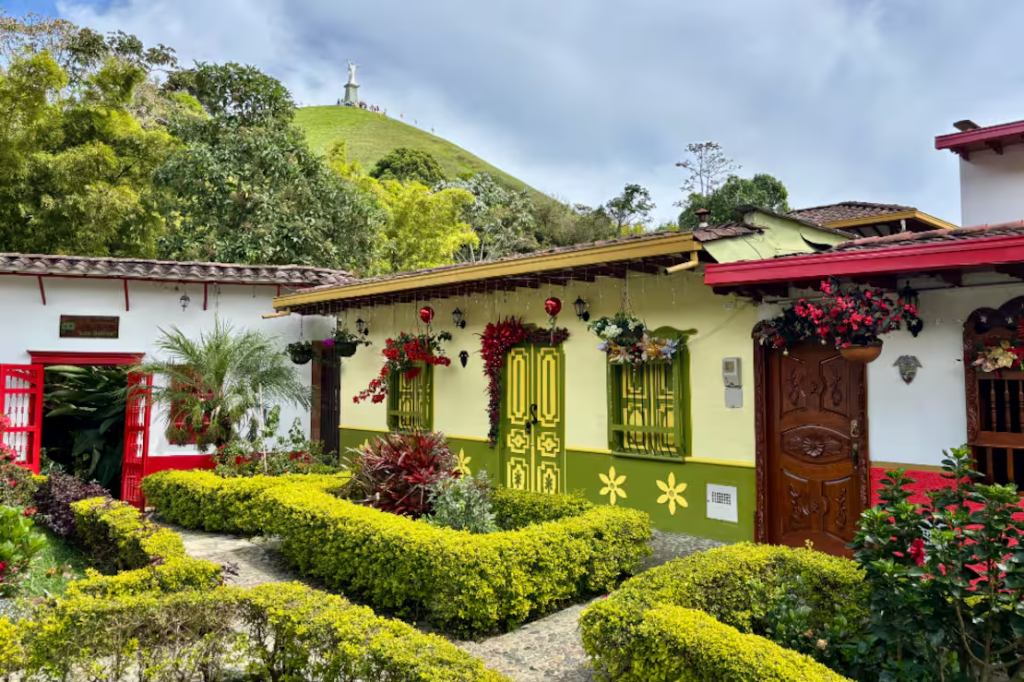
69. Discover the quiet streets of Concepción
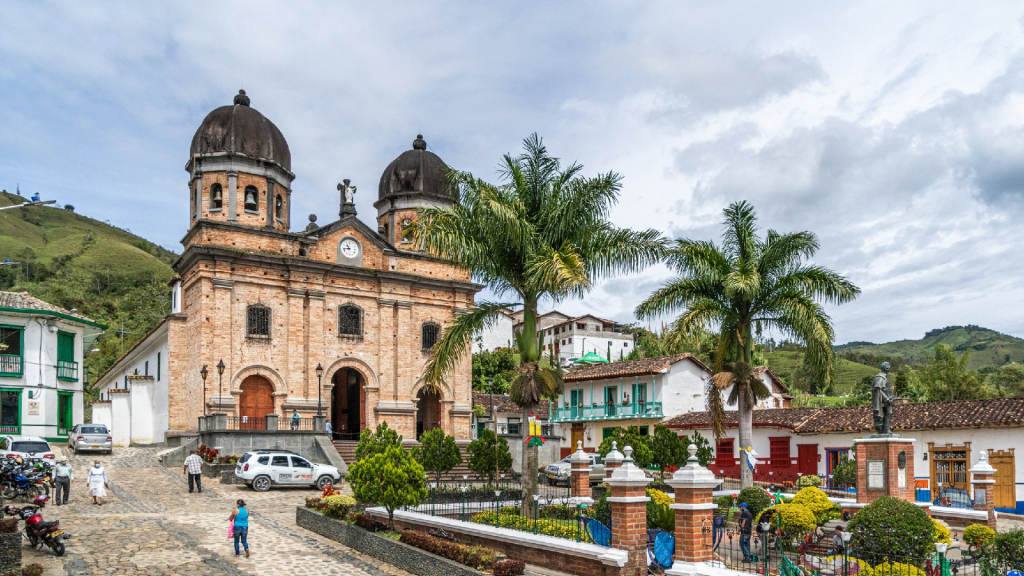
Concepción is a small heritage town northeast of Medellín with stone streets, white houses and far fewer visitors than Guatapé. The journey takes time, but that is part of why the town remains calm. It suits travelers who prefer history and slow walks to major attractions.
One thing I would skip
| I would not spend limited time on a tour that turns one criminal into the main character of Medellín. The city’s history matters, including the violence it survived, but Museo Casa de la Memoria and responsible community tours tell that story with much more care. There are better stories to take home from Medellín. |
Frequently asked questions
What are the best things to do in Medellín for a first visit?
Start with Comuna 13, a Metrocable ride, Plaza Botero, the Botanical Garden and Parque Arví. Add Guatapé if you have at least four full days.
How many days should you spend in Medellín?
Three days covers the main city attractions. Five days gives you time for neighborhoods and one day trip. A week is better if you want to visit several towns around Antioquia.
What can you do in Medellín for free?
Good free choices include Jardín Botánico, Plaza Botero, the Sunday Ciclovía, Parques del Río, neighborhood walks and several city hills. Some museums also have occasional free-entry periods.
Is Medellín easy to explore without a car?
Yes. The Metro, tram, cable cars, buses and ride-hailing services cover most areas visitors use. A car is usually more trouble than it is worth inside the city.
Is El Centro worth visiting?
Yes, but visit during the day and stay aware of your surroundings. Downtown contains some of the city’s most important architecture, museums, markets and public spaces.
What is the best day trip from Medellín?
Guatapé is the easiest choice for a first trip. Santa Fe de Antioquia is better for colonial history, while Jardín is the strongest option if you can stay overnight.
What should you book in advance?
Book popular day tours, flower-farm visits, major festival accommodation and any attraction with a timed show. Most parks, neighborhoods and museums do not require much advance planning.
A final thought
Medellín is not a city you understand from one viewpoint, one neighborhood or one guided tour. The contrast is the interesting part: modern transport beside steep informal neighborhoods, quiet museums a few blocks from crowded markets, and a large city surrounded by rural towns and mountains.
Use this list as a starting point, not a challenge to complete all 69. Pick the places that match the kind of trip you want, leave space for ordinary moments, and you will probably go home with a better story.