Medellín and Colombia, from someone who lives here
Colombian Beer and Liquor: History, Regional Identity and Traditional Drinks
The quick version: Colombia’s alcohol history is strongly regional. Industrial beer grew from late-nineteenth-century breweries and later consolidated around a large national producer. Aguardiente became closely tied to departmental liquor companies, taxes and public celebrations. Rum reflects the country’s long sugarcane economy, while chicha, masato, guarapo and viche connect the subject with Indigenous, rural and Afro-Colombian traditions. Colombian law prohibits alcohol sales to anyone under 18. Alcohol is not necessary to experience the country’s food or social culture, and Colombia has many important non-alcoholic drinks.
Colombia is usually introduced through coffee, fruit and regional food. Alcohol receives less serious attention, even though beer, aguardiente, rum and traditional fermented drinks reveal a great deal about industry, public policy and cultural identity.
I have lived in Medellín since 2018, and the regional side is the most noticeable part of the story. A beer or liquor label can become associated with a department in much the same way as a football club, a local dish or an accent. Those loyalties are shaped by history, advertising, public liquor companies and taxes.
This article is not a buying or tasting guide. It explains where the main categories came from, why regional identity matters and how older drink traditions fit into Colombia’s cultural history.
Table of Contents
Colombian drinks at a glance
Category
Historical and cultural context
Industrial beer
Modern breweries expanded from the late nineteenth century, and the industry later consolidated around a major national company.
Craft beer
Small breweries became more visible during the 2010s and formed part of the wider growth of independent urban food businesses.
Aguardiente
A cane-based, anise-flavoured spirit closely connected with departmental companies, regional identity and public celebrations.
Rum
A sugarcane spirit linked with long-established production in several regions, including Antioquia, Caldas and the Caribbean.
Chicha, masato and guarapo
Fermented traditions with Indigenous, rural and working-class histories; ingredients and alcohol content vary.
Viche or biche
An ancestral Pacific cane spirit protected as the collective cultural heritage of Afro-Colombian communities.
Non-alcoholic drinks
Fruit drinks, coffee, chocolate, aguapanela and malt drinks remain central to Colombian social life.
Why the story is so regional
Colombia’s departments have historically played a direct role in the production, taxation and regulation of distilled spirits. Public liquor companies became important sources of revenue, and their products became symbols of place. This is why alcohol culture in Medellín does not look exactly the same as it does in Manizales, Bogotá, Cali, Pasto or the Pacific region.
Beer became more national as the industry consolidated, but regional memory remained. Old production centres and advertising campaigns linked particular labels with Antioquia, the Caribbean and other parts of the country. The brands may now be distributed nationally, yet the local associations still matter.
The rise of industrial beer
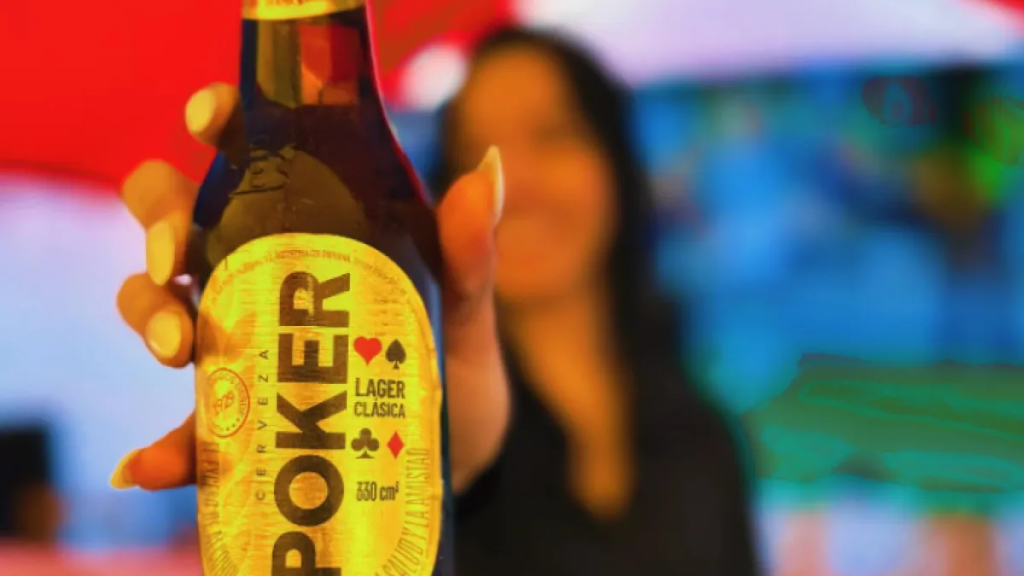
Modern industrial brewing in Colombia developed during the late nineteenth century. Bavaria traces its founding to 1889, when the Kopp and Castello company acquired land in Bogotá for a brewery. During the following century, expansion and mergers turned the company into the dominant force in the national beer industry.
The history of beer also overlaps with the decline of chicha in major cities. Chicha had long been associated with Indigenous and working-class life, while industrial brewers promoted beer as a modern and regulated alternative. Public-health campaigns, social prejudice and commercial advertising all contributed to the shift.
Beer became closely connected with football, music, festivals and national advertising. At the same time, older regional associations survived. In Antioquia, for example, local beer history became part of paisa identity even after the industry was absorbed into a national structure.
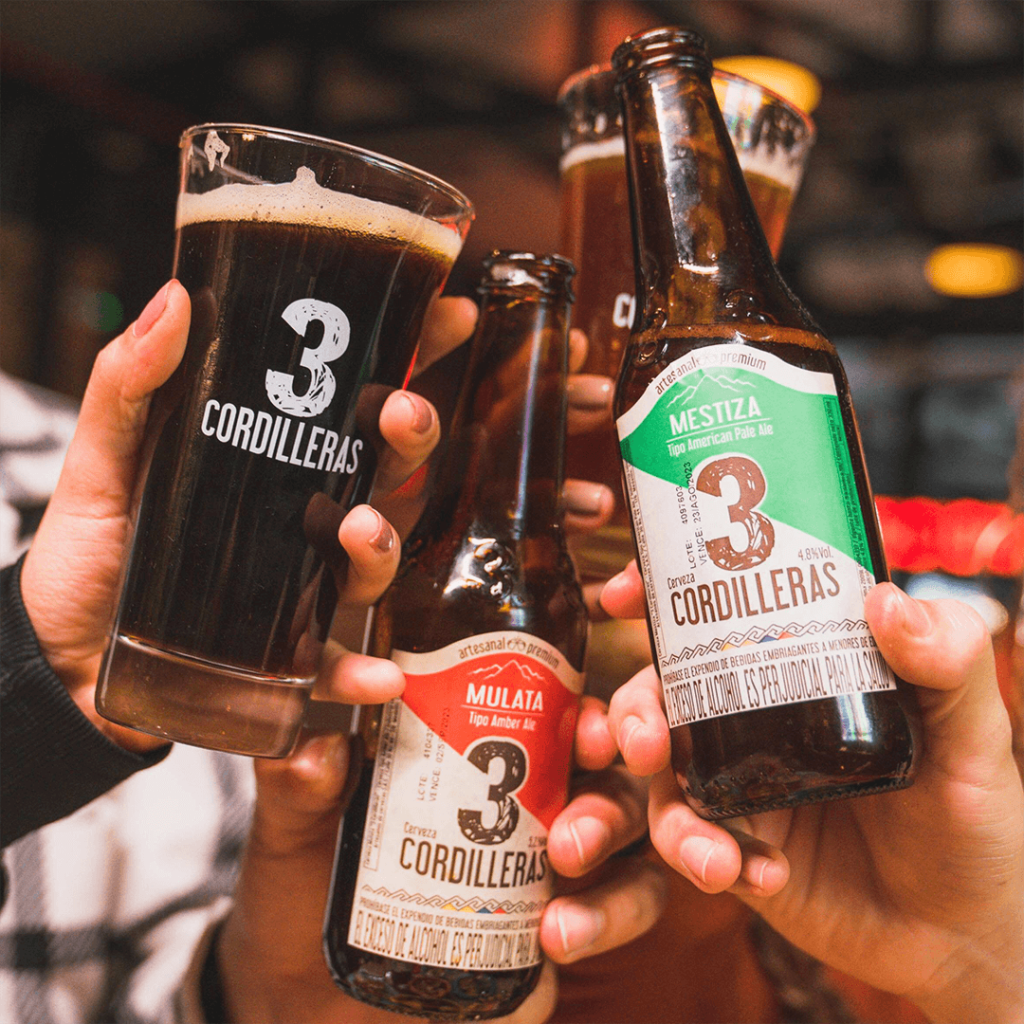
Small breweries became more visible in Colombia during the 2010s. The movement began most clearly in large cities and later spread to other regions. It formed part of a broader change in urban food culture that also included specialty coffee, independent restaurants and local design businesses.
The category widened the kinds of beer produced in the country and gave small businesses a place in a market dominated by a large industrial company. Some early independent breweries were later purchased by larger groups, which made the meaning of the word craft less clear.
Aguardiente and departmental identity
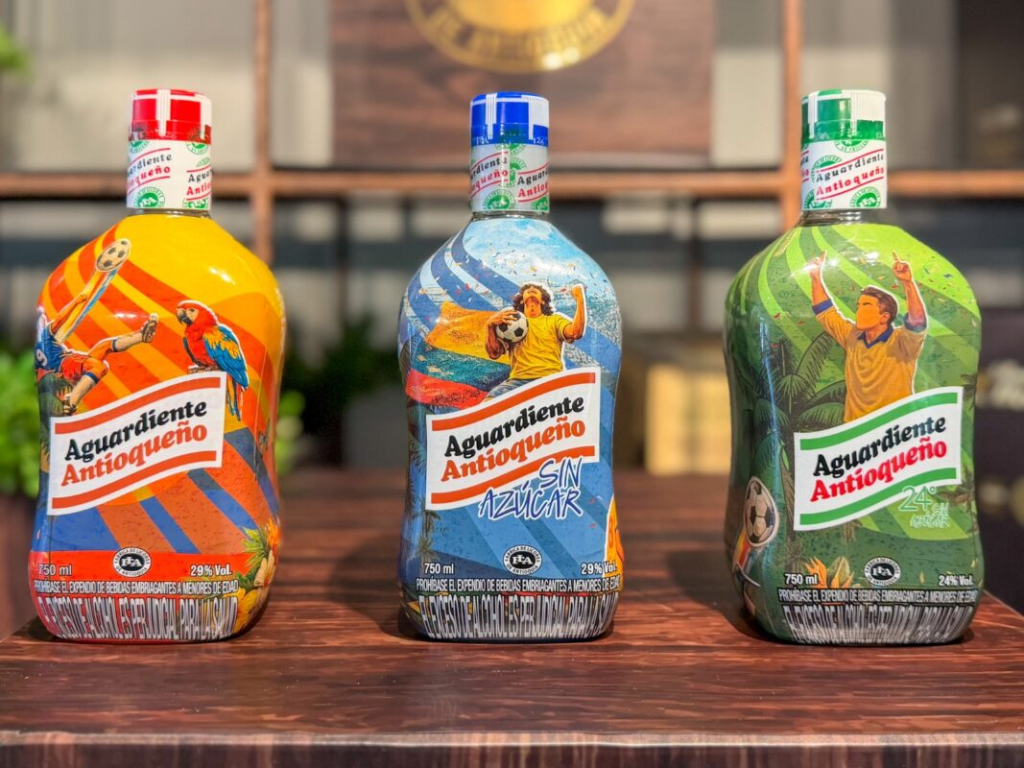
Aguardiente is the alcoholic drink most closely associated with Colombian regional identity. The Colombian style is based on sugarcane and flavoured with anise. In everyday speech, it is often called guaro.
The important part of the story is the departmental system. Antioquia, Caldas, Cundinamarca, Valle del Cauca, Tolima and other departments developed long-established labels through public or state-associated liquor companies. Revenue from these industries has historically been linked with departmental finances and public spending.
Aguardiente appears in the cultural background of fairs, concerts, family celebrations and popular music. Its social role varies by generation and region, and it should not be treated as a requirement for participating in Colombian culture.
Regional loyalty can make discussions about aguardiente sound competitive, but the deeper issue is identity. People often connect a familiar label with home, relatives or a particular festival rather than with a formal evaluation of the product.
Rum and the sugarcane economy
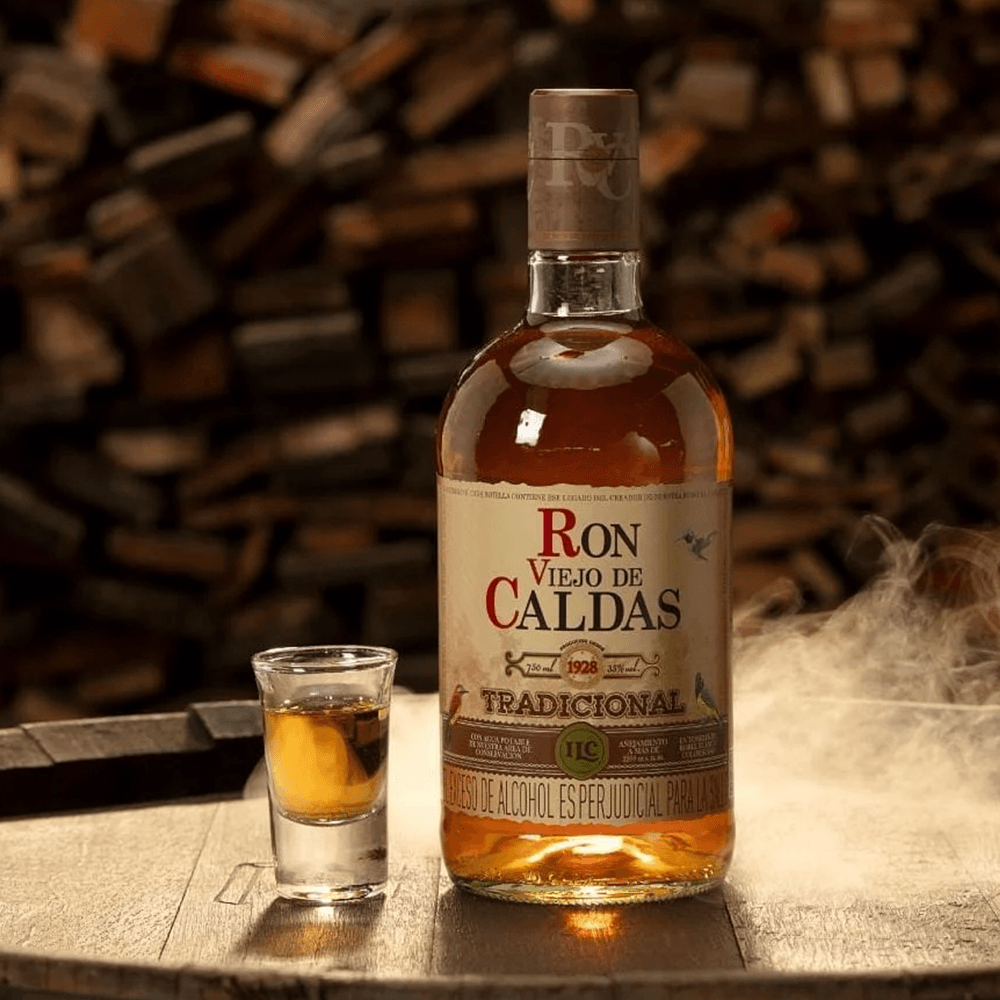
Rum belongs to a different tradition from aguardiente, although both begin with sugarcane. Colombian rum developed around established producers in Antioquia and Caldas as well as Caribbean businesses connected with ports, trade and the wider history of cane cultivation.
From a cultural perspective, rum reflects agriculture, industrial development and regional production. It also shows how Colombian products moved from local markets into international branding without losing their connection to a specific department or coast.
Traditional and ancestral drinks
Chicha
Chicha is one of the oldest drink traditions in the Colombian Andes. The word covers several fermented drinks, most commonly associated with maize. Indigenous communities, including the Muisca, used chicha long before European colonisation and the arrival of modern breweries.
During the nineteenth and twentieth centuries, chicha became strongly associated with working-class neighbourhoods and public chicherías. Authorities and commercial brewers often described it as unhygienic or socially undesirable. Those campaigns were partly about health, but they were also connected with class prejudice and competition from industrial beer.
Chicha never disappeared completely. It remains part of cultural memory and local tradition, particularly in Bogotá and parts of the Andean region.
Masato and guarapo
Masato is a fermented drink made in different ways across Colombia. Rice is common in parts of the Andes, while other regional versions use maize, cassava or fruit. The amount of fermentation varies, so the name does not reveal a fixed alcohol content.
Guarapo can refer to fresh sugarcane juice or to a fermented cane drink, depending on the region and context. This is an example of why traditional drink names should not be treated as standard industrial categories.
Viche or biche
Viche, also written biche, is an ancestral sugarcane spirit produced by Black and Afro-Colombian communities on the Pacific coast. Its importance is connected with territory, family knowledge, traditional medicine, ceremonies and community economies in Chocó, Cauca, Nariño and Valle del Cauca.
Law 2158 of 2021 recognised viche and its derivatives as ancestral, artisanal and traditional drinks and as the collective heritage of Afro-Colombian Pacific communities. Later rules created cultural and sanitary protections intended to preserve the tradition while regulating commercial production.
The legal recognition is important because viche was long treated as informal even though the knowledge behind it had been passed down for generations. The new framework places community ownership and cultural safeguarding at the centre of the subject.
Age restriction: Colombian Law 124 of 1994 prohibits the sale of alcoholic drinks to minors. The legal purchasing age is 18, and businesses may request identification.
National and local authorities can also impose temporary alcohol restrictions known as ley seca. These rules are common around elections and may be used during major events or local security situations. The dates and hours depend on the official order in force.
Alcohol can impair judgement, coordination and reaction time. Driving after drinking is dangerous and can lead to severe criminal and administrative penalties. Alcohol also carries health risks, and those risks increase with heavier or more frequent use.
Traditional or homemade alcoholic drinks may not have a standard strength or a clear production history. Their safety and alcohol content should not be assumed from the name alone. This is especially relevant with fermented drinks that vary from one family or community to another.
Nobody needs to drink alcohol to participate in Colombian meals, celebrations or social life. Declining it is normal, and most gatherings also include soft drinks, coffee, water or fruit juice.
The national prohibition on alcohol sales to minors appears in Law 124 of 1994.
Non-alcoholic Colombian drinks
Colombia has a broad drink culture that does not depend on alcohol. Fruit, panela, maize, coffee, cacao and malt appear in everyday drinks across the country.
Drink
Cultural context
Aguapanela
A panela-based drink served hot or cold in homes, restaurants and roadside stops.
Lulada
A cold lulo drink associated with Valle del Cauca and the southwest.
Champús
A thick maize-and-fruit drink with regional versions in southwestern Colombia.
Non-alcoholic malt drinks
Sweet malt beverages are widely consumed and marketed separately from beer.
Fresh fruit juice
Markets and restaurants use fruits such as lulo, guanábana, maracuyá, mora and mango.
Coffee and hot chocolate
Both remain central to family visits, breakfast and everyday conversation.
Frequently asked questions
What is Colombia’s national alcoholic drink?
Colombia has no single official national alcoholic drink. Aguardiente is often treated as the closest cultural answer because it appears across the country and carries strong regional identity.
Why are liquor traditions different between departments?
Departmental liquor companies, taxes, regional production and local advertising all shaped the market. Those institutions turned familiar labels into symbols of place.
Are chicha and masato always alcoholic?
No. Ingredients, fermentation methods and fermentation time vary. Some versions contain little alcohol, while others may contain more. The name alone is not enough to determine the content.
Why is viche culturally important?
Viche carries ancestral knowledge from Afro-Colombian Pacific communities. Colombian law recognises that knowledge as collective cultural heritage and protects the communities’ role in production and transmission.
Can visitors experience Colombian drink culture without alcohol?
Yes. Coffee, hot chocolate, aguapanela, fruit juices, lulada, champús and non-alcoholic malt drinks are all important parts of daily life and regional food culture.
The bottom line
Colombian beer and liquor are most useful as a window into the country’s history. Industrial beer shows how a national company grew, aguardiente reflects departmental identity, and rum connects sugarcane with regional industry.
Chicha, masato and viche provide the deeper context through Indigenous, rural and Afro-Colombian histories. The strongest version of this article explains those stories clearly, includes the law and health risks, and does not present alcohol as necessary for travel or social life.