| The quick version: Do not wait 24, 48 or 72 hours. If the person may be in danger, call Colombia’s emergency line 123 and contact the Fiscalía immediately. From a Colombian mobile, call 122. From a Colombian landline, call 01 8000 9197 48. Ask to report a missing person and, when the circumstances suggest danger or possible unlawful detention, ask about the Mecanismo de Búsqueda Urgente. For a missing child, also call ICBF line 141. For a missing girl, boy, teenager, young person or woman, ask whether Alerta Rosa should be activated. Keep one written timeline, preserve messages and location data, and do not let social-media activity replace the official report. |
A person not answering the phone is not always an emergency. Batteries die, plans change and people sometimes take longer than expected to get home. But a sudden break from normal behavior can also be the first sign of an accident, a medical problem, robbery, violence or unlawful detention.
The difficult part for a family is deciding when concern becomes urgent. In Colombia, you do not have to solve that question before contacting the authorities. There is no legal rule requiring relatives to wait three days. A report can be made immediately, and the facts can be assessed as the search begins.
This article explains the main national routes as of July 2026. It is general information, not legal advice. Local procedures can vary, and phone numbers or online systems may change, so use the official links near the end of the guide to confirm details.
Emergency contacts at a glance
| Situation | Contact | What to say |
| Immediate danger, medical risk or an active emergency | 123 | Give the person’s name, last known location, time last seen and the reason you believe the situation is urgent. |
| Report a recently missing person to the Fiscalía | 122 from a Colombian mobile; 01 8000 9197 48 from a Colombian landline | Ask to report a missing person. Explain the circumstances and ask whether the Mecanismo de Búsqueda Urgente applies. |
| Missing child or teenager | 141, plus 123 and the Fiscalía | Tell the ICBF that a minor is missing and provide the official report or case number when available. |
| Missing girl, boy, teenager, young person or woman | Police/Fiscalía through 123 or 122 | Ask whether the case meets the criteria for Alerta Rosa, Colombia’s national rapid-alert system. |
| Kidnapping or an extortion demand connected to the disappearance | GAULA 165 | Do not negotiate alone or send money. Preserve the number, messages, recordings and payment instructions. |
| Foreign citizen | Their embassy or consulate, after contacting Colombian authorities | Give the Colombian report number, passport details and the family’s main contact person. |
There is no 72-hour waiting rule
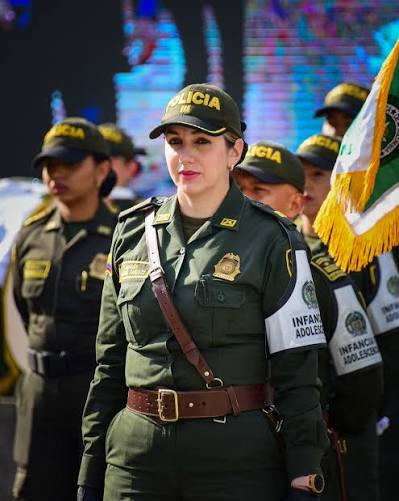
The belief that a family must wait before reporting a disappearance is dangerous. Colombia’s Fiscalía states that no set amount of time must pass before a person can request the Mecanismo de Búsqueda Urgente, normally shortened to MBU. The request is free and can be made verbally or in writing before a judge or prosecutor.
The MBU was created by Law 971 of 2005. Its purpose is to make judicial authorities carry out immediate steps to locate a person who may have been disappeared and to protect that person’s liberty and safety. Any person can request it. You do not need to be a close relative, hire a lawyer or be a Colombian citizen.
| Important distinction: You can request the MBU immediately, but an official still evaluates the facts and decides how the legal mechanism applies. Do not promise relatives that one phone call automatically produces a fixed list of searches within a fixed number of hours. What is guaranteed is that there is no waiting period and that the request must be received and assessed. |
Official information: Fiscalía service guide for missing-person reports and the MBU and Law 971 of 2005.
What to do in the first hour
If there are signs of immediate danger, skip the informal checks and call 123 first. Signs may include a child missing, a person with a serious medical condition, threats, abandoned belongings, a crash alert, a strange final message, a vehicle found without the driver, or a sudden disappearance after meeting an unknown person.
Call 123 when the situation appears active or dangerous. Ask for the police and explain why the disappearance is unusual.
Call the Fiscalía on 122 from a Colombian mobile or 01 8000 9197 48 from a Colombian landline. Ask to make a missing-person report and request guidance on the MBU.
Write down the time of every call, the name or identification of the official when provided, and every report, incident or case number.
Choose one family spokesperson. This person should keep the master timeline and give authorities consistent information.
Preserve the missing person’s messages, call history, photographs, recent travel plans and location information. Do not delete or edit anything.
Contact the person’s hotel, building reception, employer, host or trusted friend. Ask for facts, not theories. Record who last saw them and when.
When the missing person is a foreign citizen, contact their embassy or consulate and provide the Colombian case number as soon as you have it.
A relative abroad can still start the process. The Fiscalía publishes international contact numbers for several countries and also offers online and web-call channels. When a direct international route is not practical, a trusted person in Colombia can call while the family contacts the nearest Colombian consulate or the missing person’s embassy.

Information to prepare before you call
Do not delay the first report because you are missing one detail. Give what you have and add information later. Still, the following facts make the report much more useful:
| Category | Useful information |
| Identity | Full legal name, preferred name, nationality, passport or ID number, age and date of birth. |
| Appearance | Recent clear photo, height, build, hair, facial hair, glasses, tattoos, scars and any mobility needs. |
| Last known movements | Exact date and time last seen or heard from, address or map pin, destination, route and names of companions. |
| Clothing and belongings | Clothes, shoes, bag, phone, watch, jewelry, keys and any medication carried. |
| Transport | Vehicle make, model, color and license plate; taxi or ride-app details; bus or flight information. |
| Phone and digital accounts | Phone number, device type, email address, messaging accounts and any shared-location service. |
| Health and vulnerability | Medical conditions, medication, cognitive difficulties, recent distress, threats or reason the person may be at special risk. |
| Recent contacts and plans | Who they planned to meet, reservations, work schedule, property visit or activity planned for that day. |
| Financial activity | Last known card or ATM use. Provide this to investigators; do not publish it on social media. |
| Official reference numbers | 123 incident number, Fiscalía case number, MBU request details and the name of the assigned office when available. |
Alerta Rosa: an additional route for women and younger people
Colombia’s Alerta Rosa is a national rapid-search and public-alert system for missing girls, boys, teenagers, young people and women. It works alongside the MBU rather than replacing it. The system is designed to coordinate authorities and, when the activation criteria are met, spread an official alert through available communication channels.
The national operating protocol was put into practice in 2026. A relative does not create an Alerta Rosa poster independently. Report the disappearance through the police or Fiscalía, provide the best recent photograph and ask whether the case should be sent for Alerta Rosa activation. Authorities decide whether the criteria for broad public distribution are met.
For a child or teenager, also call the ICBF’s free 141 protection line. The ICBF says the line operates with support from child and adolescent police officers for emergencies involving minors.
Official information: Ministry of Justice announcement on the 2026 Alerta Rosa rollout and ICBF Line 141.
The formal report and the search record
The official report is more important than a viral post. It creates a record, gives the authorities a starting point and allows new information to be added to the case. Ask how to submit further evidence and which office is handling the report.
Do not allow confusion about jurisdiction to stop the first report. Give the exact place where the person was last seen and where their phone, vehicle or belongings were found. Colombian agencies can route information to the relevant regional office. If a disappearance happened in a rural municipality, make sure the municipality, village, road, farm or map coordinates are stated clearly.
The Instituto Nacional de Medicina Legal manages the Registro Nacional de Desaparecidos and SIRDEC, the system that connects missing-person information with unidentified people and forensic records. The public can check whether a person has been entered in the missing-person registry. Ask the Fiscalía whether the report has been entered correctly and how the family can provide additional identifying information if needed.
Public registry: SIRDEC consultation for reported missing people.
Preserve digital evidence without taking over the investigation
Phones, messaging apps and location services can provide useful leads, but families should avoid changing passwords, remotely erasing devices or logging into accounts in a way that destroys records. Take screenshots of information you can lawfully access and tell investigators what accounts or shared devices exist.
Save the original message thread, including dates, voice notes, images and profile details.
Export or photograph recent call logs without deleting missed calls or notifications.
Save ride-app receipts, hotel bookings, flight details and map locations.
Ask building staff or businesses to preserve security-camera footage. Do not demand a private copy if they are not allowed to give it to you; tell the investigator where it exists.
Do not publish passwords, private conversations, banking details, passport numbers or a home address.
Do not accuse a named person publicly without evidence. Give suspicions and supporting facts directly to investigators.
Using social media without creating more problems
Social media can reach witnesses quickly, especially when the person was last seen in a busy neighborhood or while traveling. It can also produce false sightings, scams and rumors. File the official report first whenever possible, then use one verified poster and one family contact.
A useful poster includes a recent photo, name, age, last confirmed location and time, clothing, a safe contact number and the official case number when authorities approve its publication. Do not include a full passport number, bank information, detailed property records or private medical history.
Ask people to send the place, time and source of any sighting. A message saying “I think I saw him” is less useful than a location pin, a time and a description of who was present. Forward credible tips to the assigned authorities rather than organizing an untrained confrontation.
Be ready for fake tips and extortion attempts
Public missing-person posts sometimes attract people who claim to know where the person is and demand money. Treat any payment request, threat or claim of kidnapping as a separate emergency. Do not send money or negotiate alone.
Keep the caller or sender calm without promising payment.
Save the phone number, username, messages, audio, payment account and exact words used.
Call GAULA on 165. This is Colombia’s national police line for kidnapping and extortion cases.
Tell the investigator handling the missing-person report that an extortion message has been received.
Do not publish the demand while authorities are assessing it.
When the person is a foreign citizen
An embassy or consulate cannot replace the Colombian investigation. It cannot normally track a phone, order police action or release private medical information. It can still be useful. Consular staff may help confirm identity, contact relatives, explain local procedures, communicate with authorities and assist with documents if the person is found injured or deceased.
Give the consulate one organized package: the person’s full name, passport details, recent photograph, Colombian phone number, travel insurance information, last known location, medical concerns and every Colombian report number. Tell them who in the family is authorized to receive updates.
Do not wait for the embassy before calling Colombian emergency services. The Colombian report starts the search; the consular report adds support around it.
Rural areas, mountains and private property
A disappearance outside a city can involve poor phone coverage, difficult roads, accidents, rivers, steep terrain or security risks. Give authorities the most exact location possible, including coordinates, road names, nearby farms, trail entrances and the last place the phone had a signal.
Do not send relatives or volunteers into an isolated area when there may be armed actors, unsafe terrain or a possible crime scene. A family member can help by identifying routes, vehicles, local contacts and property documents, but searches in dangerous areas should be coordinated with police, emergency services and local authorities.
If the person was hiking, riding a motorcycle, visiting a finca or traveling between municipalities, include weather, departure time, expected route, fuel range and equipment carried. These details can help separate an accident or navigation problem from a criminal lead without guessing publicly.
Hospitals, detention and immigration checks
Authorities may check hospitals, police facilities, immigration records and other databases as part of a search, depending on the case. Families can also make reasonable inquiries, but privacy rules may limit what staff can disclose by phone.
Use the person’s full legal name and identification number, and ask the investigator to make formal checks when a hospital, clinic, detention center or airline cannot release information directly. Do not assume that a lack of information from one receptionist means the person is not there.
Where a lawyer can help
A lawyer is not required to report a missing person or request the MBU. The first calls are free and should not be delayed while the family searches for legal representation.
Legal help can become useful when the family is abroad, the case crosses several departments, officials are not recording information, property needs protection, an extortion demand appears, or the disappearance may involve a crime. A lawyer can organize written requests, follow the case number and help the family understand which authority is responsible.
Choose a Colombian lawyer with verifiable credentials and relevant criminal or human-rights experience. Ask for a written fee agreement. Be cautious with anyone who promises access to secret databases, guarantees a result or asks for large cash payments before explaining the work.
Mistakes that waste valuable time
Waiting three days because someone says the police will not accept a report.
Assuming a social-media post is the same as an official missing-person report.
Sending different versions of the timeline to police, relatives and the press.
Deleting messages, changing account passwords or remotely wiping a phone.
Publishing accusations, private medical details or financial information.
Paying a stranger who claims to have information.
Searching an unsafe rural area without coordination.
Calling only the embassy and expecting it to run the Colombian investigation.
Hiring a lawyer before making the free emergency and Fiscalía calls.
Failing to record report numbers and the names of offices that received information.
A simple family checklist
| Done | Action |
| [ ] | Called 123 if there is immediate danger or medical risk. |
| [ ] | Called 122 or 01 8000 9197 48 and reported the disappearance to the Fiscalía. |
| [ ] | Asked about the Mecanismo de Búsqueda Urgente. |
| [ ] | Called 141 if the missing person is a child or teenager. |
| [ ] | Asked about Alerta Rosa when the missing person is a girl, boy, teenager, young person or woman. |
| [ ] | Recorded every report and incident number. |
| [ ] | Prepared one timeline and one recent photograph. |
| [ ] | Preserved messages, travel records and location information. |
| [ ] | Contacted the embassy or consulate if the person is a foreign citizen. |
| [ ] | Called GAULA 165 if anyone demanded money or claimed a kidnapping. |
| [ ] | Named one family spokesperson and one safe public contact. |
| [ ] | Sent new evidence to the assigned authority and kept a copy. |
Frequently asked questions
Do I really have to wait 72 hours?
No. The Fiscalía expressly states that no set waiting period applies when requesting the MBU. Report the disappearance as soon as the situation is unusual or concerning.
Can I report someone missing if I am outside Colombia?
Yes. Use the Fiscalía’s international or web-contact options, ask a trusted person in Colombia to call, and contact the missing person’s embassy or consulate. Make sure the Colombian authorities receive the report first or at the same time.
Do I need a lawyer?
No. Reporting the person and requesting the MBU are free. A lawyer may help with follow-up in a complex case, but should not delay the first calls.
Should I publish the person’s photo immediately?
A verified public post can help, but make the official report first whenever possible. Use one accurate poster and avoid publishing sensitive information or unsupported accusations.
What is the difference between the MBU and Alerta Rosa?
The MBU is a judicial search mechanism for a person presumed disappeared. Alerta Rosa is a coordinated rapid-alert system for missing girls, boys, teenagers, young people and women. They can operate together.
What if the person comes home?
Tell every authority that received the report. Ask how the case and any public alert will be closed. Remove public posters only after confirming that the person is safe and the relevant authority has been informed.
The bottom line
The most important fact is simple: Colombia does not require families to wait before reporting a disappearance. Call immediately when the situation is unusual or dangerous, ask for the correct search mechanism and keep a clear written record.
The strongest family response is organized rather than dramatic. One spokesperson, one timeline, one verified photograph and one official case number are more useful than dozens of conflicting posts. Preserve evidence, share new facts with investigators and treat payment demands as possible extortion.
Most periods of lost contact end without the worst outcome. Acting quickly does not mean assuming the worst. It means giving the person the best chance of being found safely.
Official sources and contacts
Fiscalía General de la Nación – service guide and MBU information
Fiscalía contact center and current phone channels
Law 971 of 2005 – Mecanismo de Búsqueda Urgente
Ministry of Justice – Alerta Rosa rollout