| The quick version: For a first trip, combine Medellín with the Caribbean coast or the Coffee Region. Add Bogotá when museums, food and history matter more than beaches. Colombia is too large and mountainous to cover well in one short visit, so choose two regions for a 10-day trip and no more than three for two weeks. |
Colombia is easy to underestimate on a map. A flight between two cities may take an hour, while the same journey by road can take most of a day. Mountains separate regions that look close, and each part of the country has a different climate, culture and reason to visit.
That variety is the country’s greatest strength. You can walk through a high-altitude capital, spend a few days in a mild Andean valley, drink coffee on the farm where it was grown and finish on a Caribbean beach. The mistake is trying to do all of it in one trip.
I have lived in Colombia since 2018. My advice for a first visit is simple: choose a small number of places that fit together, leave time for delays and treat domestic flights as part of the transport system rather than a luxury.
Table of Contents
Colombia at a glance
| Region | Best for | Good first base | Suggested time |
| Central Andes | Cities, museums, food and mountain scenery | Bogotá or Medellín | 4-7 days |
| Caribbean coast | Beaches, colonial history, jungle and heat | Cartagena or Santa Marta | 5-8 days |
| Coffee Region | Farms, small towns, hiking and slower travel | Salento, Filandia or Pereira | 3-5 days |
| Santander | Colonial towns and adventure sports | San Gil or Barichara | 3-5 days |
| Southwest | Salsa, archaeology and Pacific culture | Cali, Popayán or San Agustín | 4-8 days |
| Amazon and Orinoquía | Wildlife, rivers and remote nature | Leticia or La Macarena | 4-6 days |
| Pacific coast | Whales, rainforest and isolated beaches | Nuquí or Bahía Solano | 4-6 days |
How to choose your Colombia route
Begin with the kind of trip you want, not with a list of famous places. Cartagena, Medellín and Salento are all popular, but they do not create the same holiday.
Choose Medellín and the Coffee Region for mild weather, towns and easy outdoor activities.
Choose Cartagena and Santa Marta for Caribbean history, beaches and jungle.
Choose Bogotá and Santander for museums, colonial towns and mountain roads.
Choose Cali and the southwest for salsa, Pacific food and archaeology.
Choose the Amazon, Pacific coast or Caño Cristales when nature is the main purpose of the trip.
A route that looks varied is not always practical. Cartagena, Leticia and San Agustín are three excellent places, but connecting them wastes time and adds several flights or long road journeys. A good itinerary usually follows one part of the country before making one larger jump.
The best things to do in Colombia
1. Spend a few days in Medellín
Medellín is the easiest Colombian city for many first-time visitors. The climate is mild, the Metro makes several major sights simple to reach, and the city works well as a base for day trips.
The obvious stops are Comuna 13, Plaza Botero, the Metrocable and Parque Arví. What makes a longer stay better is the ordinary side of the city: neighborhood cafés, markets, public parks and trips into the eastern Antioquia countryside.
Start with 69 Things to Do in Medellín and the Medellín itinerary.
2. See Bogotá beyond the airport
Bogotá is colder, larger and more demanding than Medellín, but it has Colombia’s strongest concentration of museums, restaurants and historic institutions.
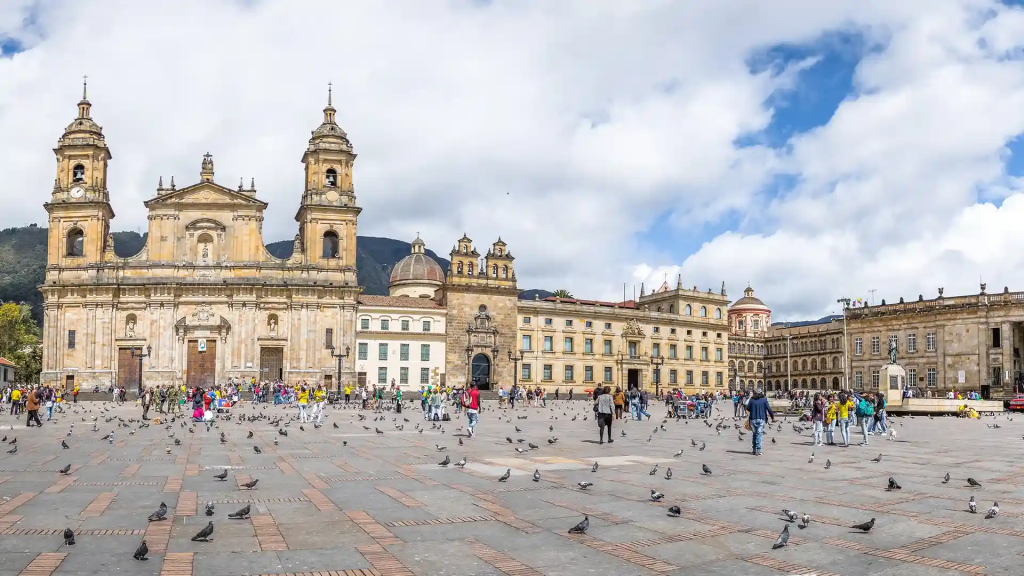
Spend time in La Candelaria, visit the Gold Museum and Museo Botero, then take in the city from Monserrate. Chapinero and Usaquén show a more modern side of the capital. Two or three full days are enough for a first visit; food and museum lovers may want longer.
The altitude is noticeable, especially after flying from the coast. Keep the first day light and do not schedule every steep walk immediately after arrival.
3. Walk Cartagena’s old city early in the morning
Cartagena is Colombia’s most photographed city for a reason. The walled centre has balconies, plazas, churches and streets that look best before the heat and tour groups take over.
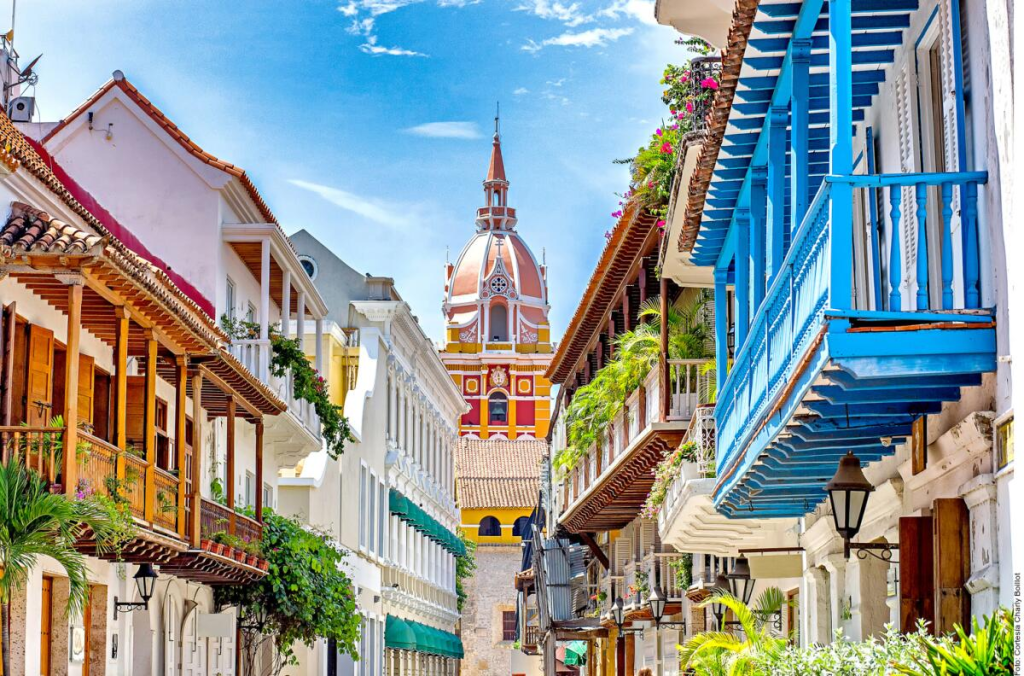
Walk Getsemaní, watch sunset from the city walls and visit Castillo San Felipe. The main drawbacks are heat, persistent sellers and prices that can be much higher than elsewhere in Colombia.
Cartagena’s city beaches are not its strongest feature. For clearer water, travellers often add the Rosario Islands or another coastal stay rather than expecting a perfect beach beside the old town.
Travelling between Colombia’s two most popular cities? Read How Far Is Cartagena from Medellín?.
4. Use Santa Marta as a base for the Caribbean
Santa Marta itself is a working coastal city with a small historic centre. Its real value is the concentration of places around it: Parque Tayrona, Minca, the Lost City trek and the beaches east toward Palomino.
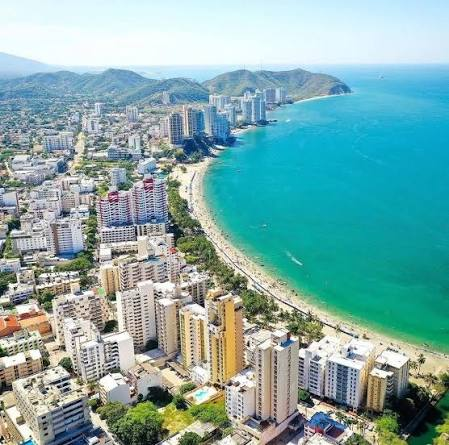
One afternoon is enough for the city centre. The surrounding region can fill a week.
Plan the area with the Santa Marta travel guide.
5. Hike through Parque Tayrona
Tayrona protects a rare meeting point of dry forest, tropical jungle, coral areas and Caribbean beaches. The classic visit involves walking from the eastern entrance through the forest toward beaches such as Arrecifes, La Piscina and Cabo San Juan.
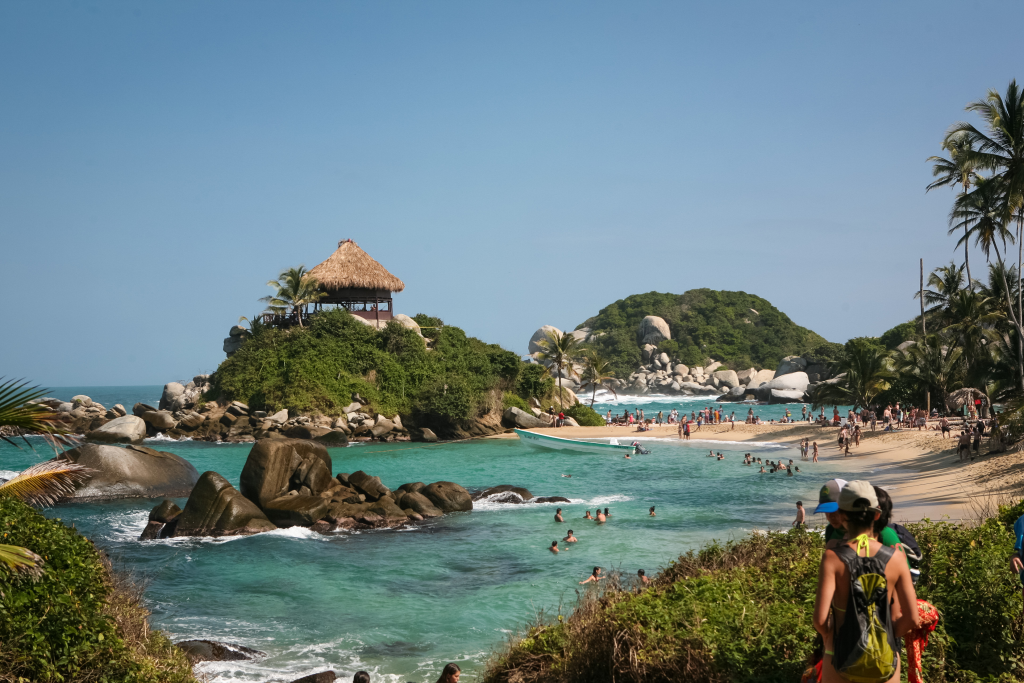
The park is not a simple beach day. Trails are hot, humid and longer than many visitors expect. Some beaches have dangerous currents and are not suitable for swimming.
Check the official park status before travelling; conservation and Indigenous closure periods occur.
Start early and carry water, sun protection and cash.
Use proper shoes for the trail.
Do not assume every beach is safe for swimming.
Stay nearby or inside the park when you want to avoid a rushed day trip.
6. Cool down in Minca
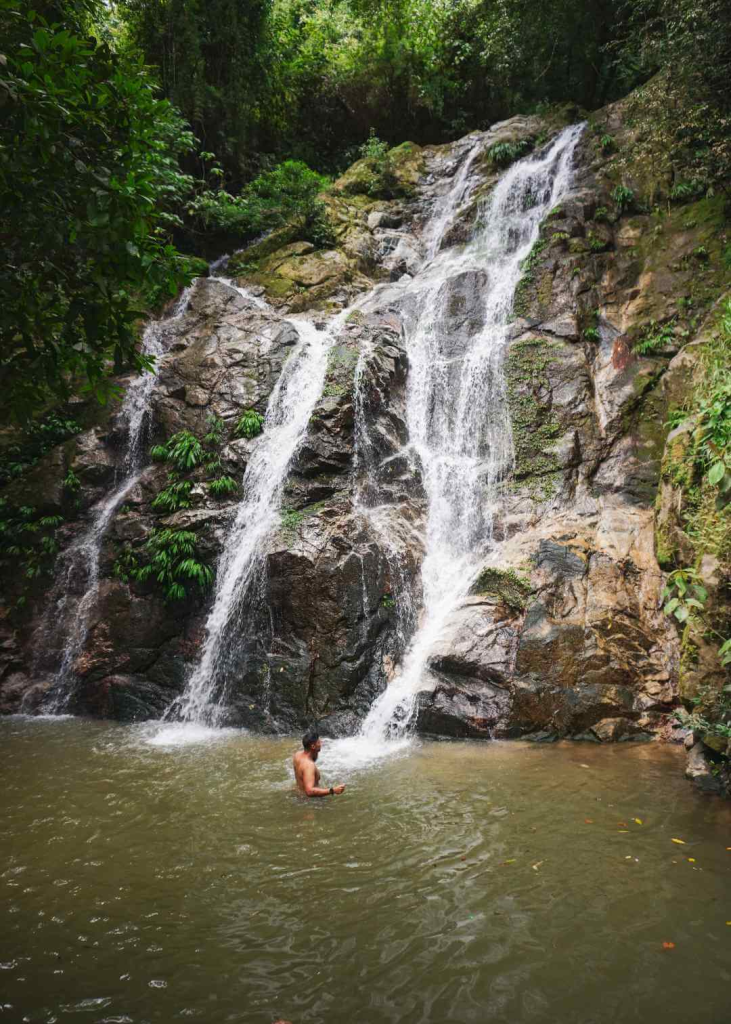
Minca sits in the Sierra Nevada above Santa Marta. It is cooler than the coast and known for coffee and cacao farms, waterfalls, birdlife and mountain views.
The village has become busy and international, but it still works well as a two- or three-night break. Choose accommodation according to access: a beautiful lodge far above town may require a motorcycle ride or private 4×4 whenever you want to leave.
7. Trek to Ciudad Perdida
The Lost City is reached through a guided multi-day trek in the Sierra Nevada. The route involves jungle heat, river crossings, basic camps and long days on foot before the final climb to the archaeological terraces.
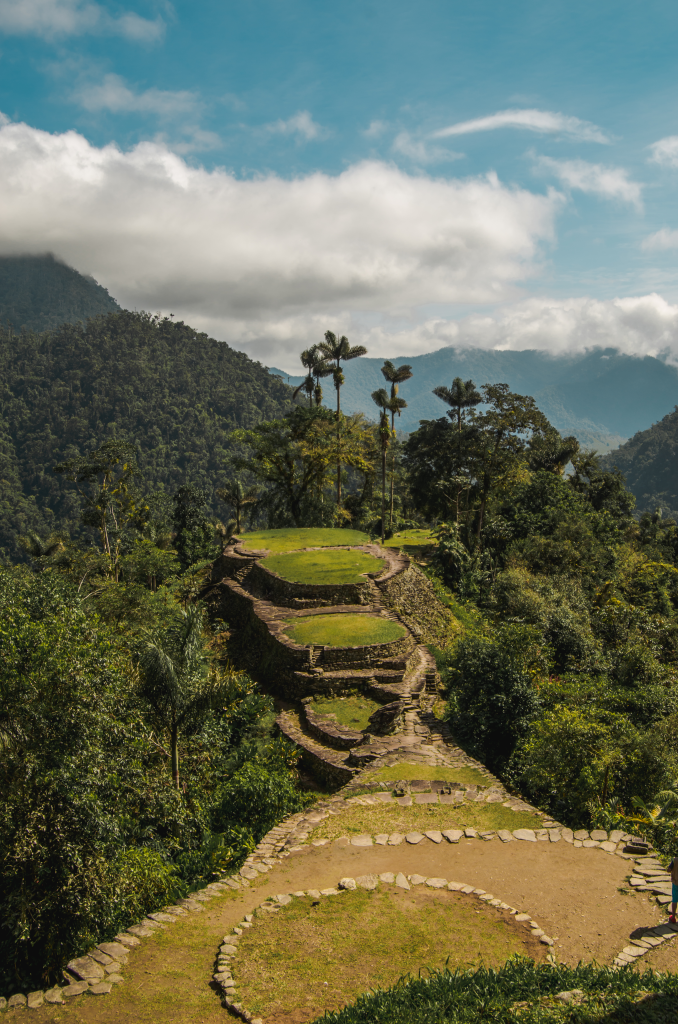
This is not a casual add-on to a beach holiday. Choose a licensed operator, arrive fit enough for repeated climbs and understand that the route passes through living Indigenous territory. The journey and local context are as important as the ruins.
8. Tour a working coffee farm
A coffee tour is more useful than a tasting in a city café because it shows how much work happens before a bean reaches the cup. Good tours explain growing, picking, processing, drying and roasting without turning the farm into a staged photo stop.
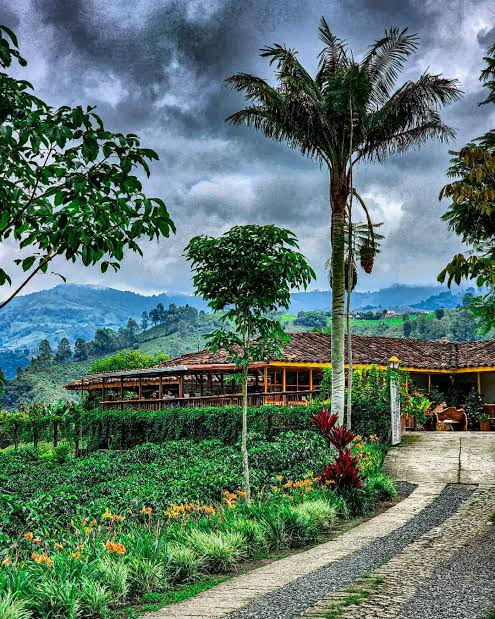
The Coffee Region is the obvious place to do it, but farms also operate near Medellín, Jardín, Minca and several parts of Santander.
Near Medellín, use the Coffee Tour Medellín guide.
9. Walk through the Cocora Valley
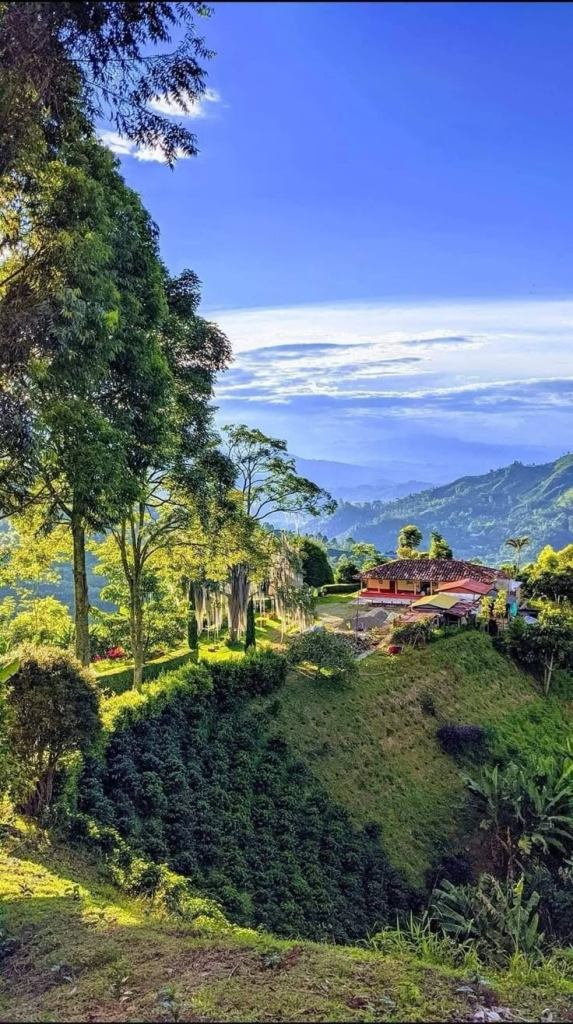
The Cocora Valley near Salento is known for its tall wax palms rising from green Andean slopes. The short viewpoint walk is enough for casual visitors, while the longer loop enters cloud forest and requires more time, better shoes and some preparation.
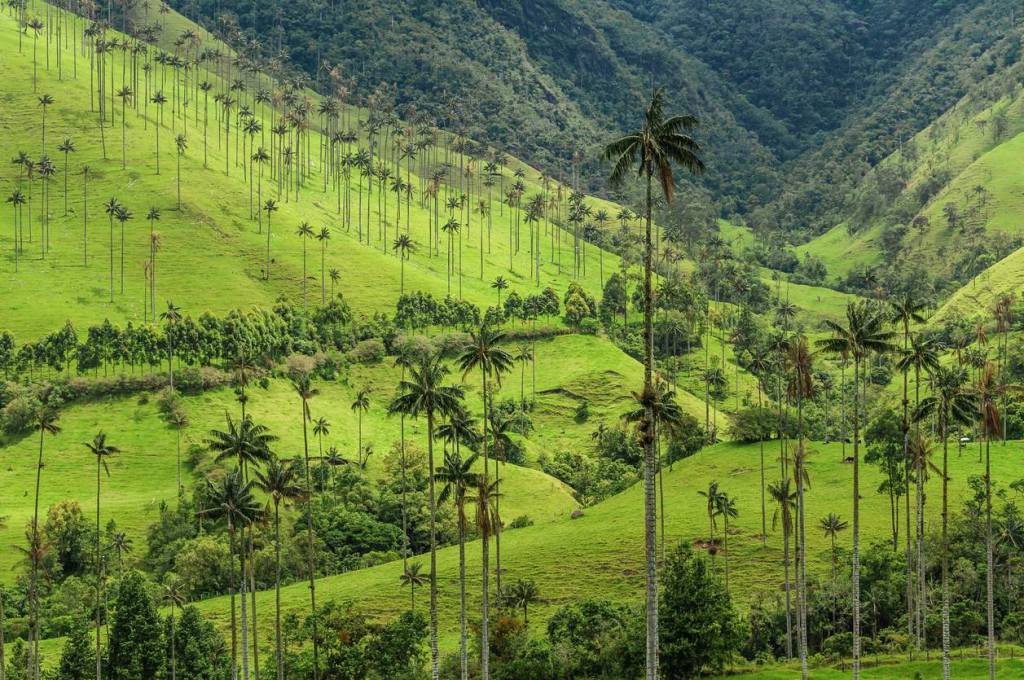
Salento becomes crowded on weekends. Staying in nearby Filandia, a rural finca or another Coffee Region town can provide a calmer base while keeping the valley within reach.
10. Slow down in the Coffee Region’s towns
The Coffee Region is not only Salento. Filandia, Pijao, Salamina and smaller settlements offer colourful architecture, farms and a less hurried experience.
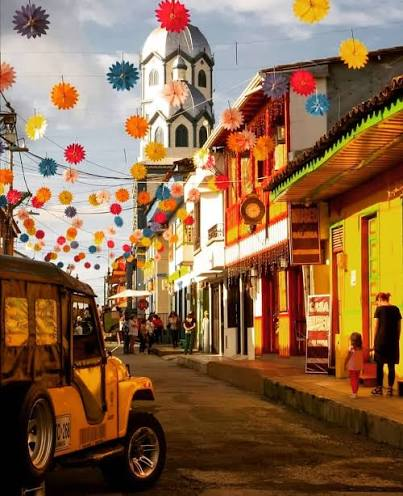
The UNESCO-listed Coffee Cultural Landscape covers working agricultural areas and historic towns shaped by generations of small-scale coffee growing. A car or private driver helps when you want to move beyond the best-known stops, but buses connect the main towns.
11. Visit Jardín or Jericó from Medellín
Jardín and Jericó belong culturally to the wider coffee-growing Andes, although both are in Antioquia rather than the official tourist triangle.
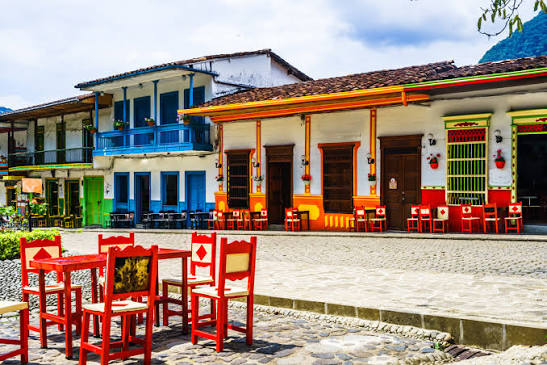
Jardín is easier for a first small-town visit, with a lively square, colourful houses, birding and nearby waterfalls. Jericó is quieter, hillier and more focused on religious history, leatherwork and local life.
Compare them with the Most Beautiful Towns in Colombia guide.
12. Learn salsa in Cali
Cali is the city to visit when music and dance are the reason for travelling. A beginner class makes a night in a salsa bar much easier, even if you have no intention of becoming a serious dancer.
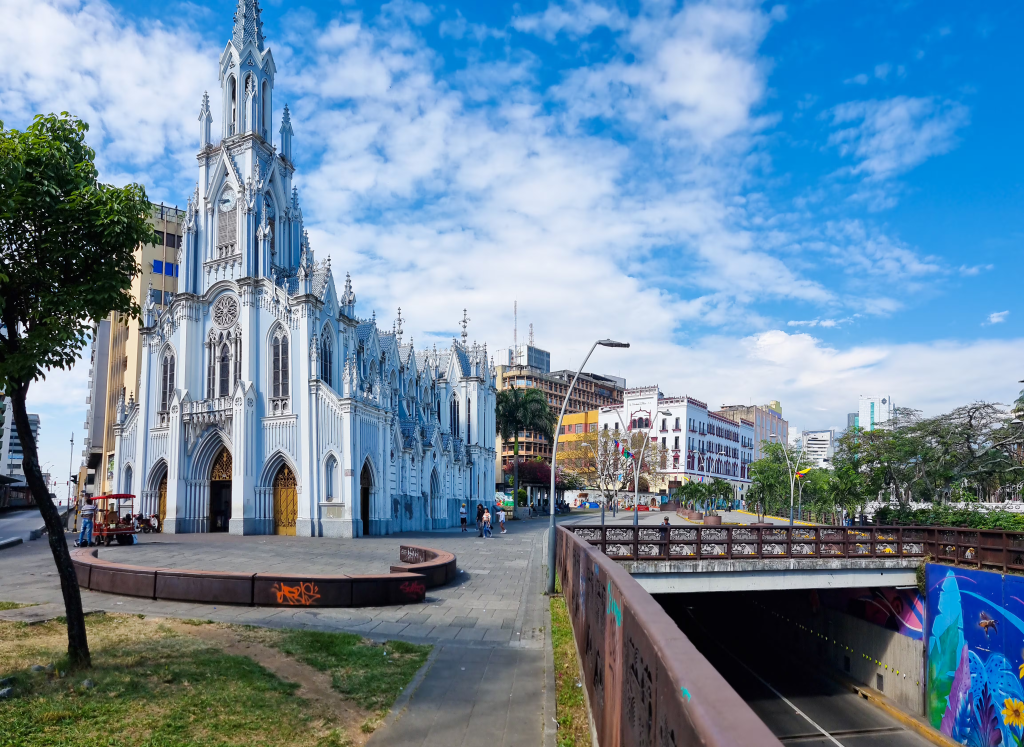
The city is hotter, rougher and less polished for tourists than Medellín or Cartagena. That is part of its character, but it also means choosing the right area and using sensible transport at night.
See the full Things to Do in Cali guide.
13. Eat your way through Colombia’s regions
Colombian food makes more sense by region than as one national cuisine. The Andes favour soups, corn, potatoes and slow-cooked meat. The Caribbean and Pacific coasts use more seafood, coconut and plantain. The plains are known for beef, while Santander has its own strong meat and corn traditions.
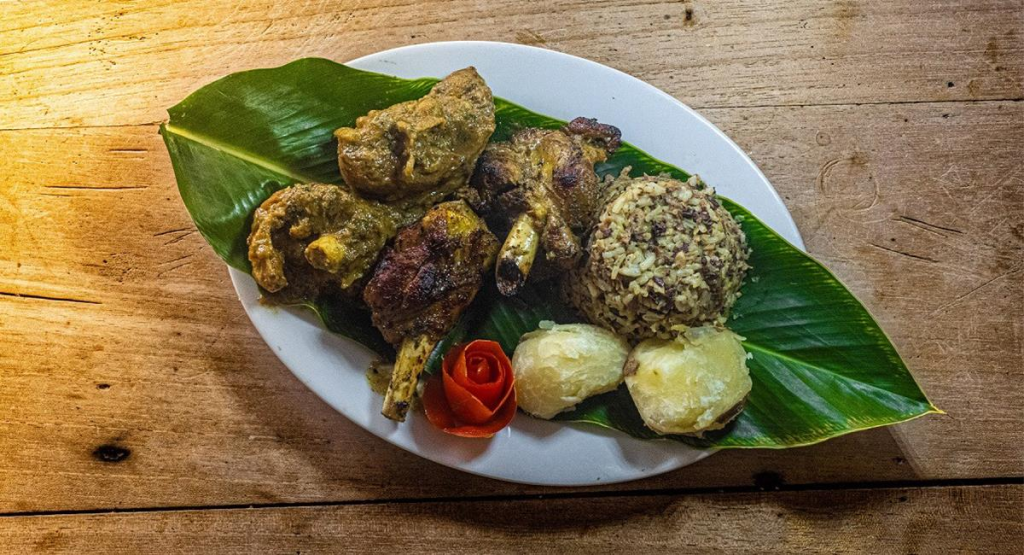
Markets, bakeries and simple lunch restaurants often teach you more than expensive tasting menus. Try one unfamiliar fruit, soup or snack in every region rather than ordering the same safe dish throughout the trip.
Use Colombian Food: 52 Traditional Dishes to Try as a checklist.
14. Stay overnight in Barichara
Barichara is often visited from San Gil, but it is better after the day visitors leave. The old stone streets, churches and valley viewpoints are the attraction rather than a long list of sights.
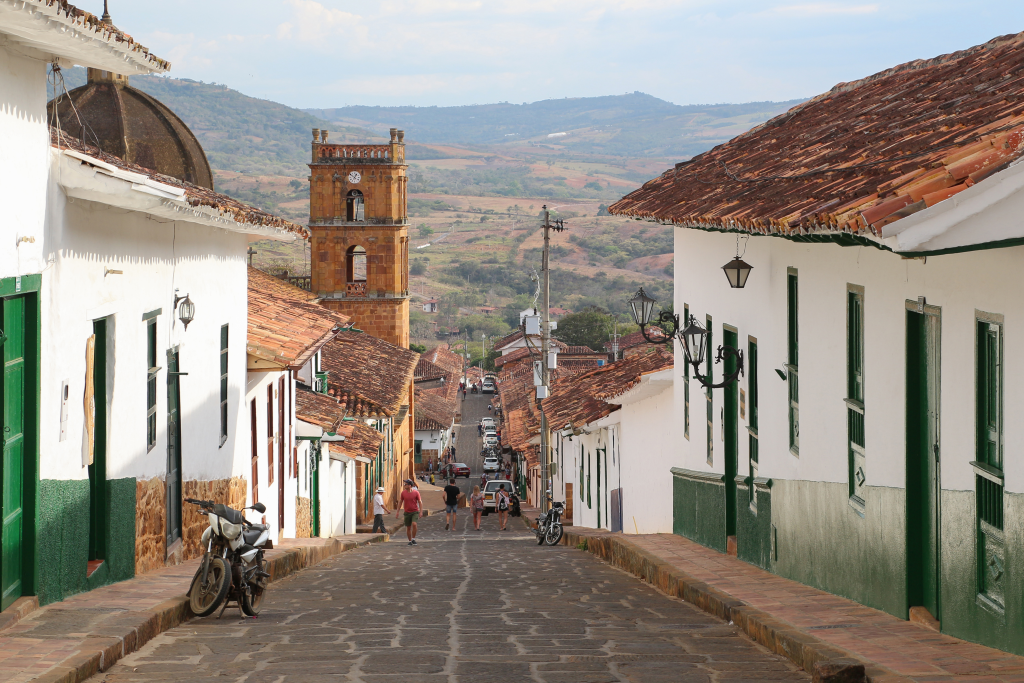
Stay two nights when possible. Walk the historic Camino Real downhill to Guane in the morning and return by local transport.
Plan the visit with the Barichara guide.
15. Try adventure sports in San Gil
San Gil is Colombia’s best-known base for rafting, paragliding, canyoning and other organised outdoor activities. The town itself is functional rather than beautiful, so most visitors combine it with Barichara.
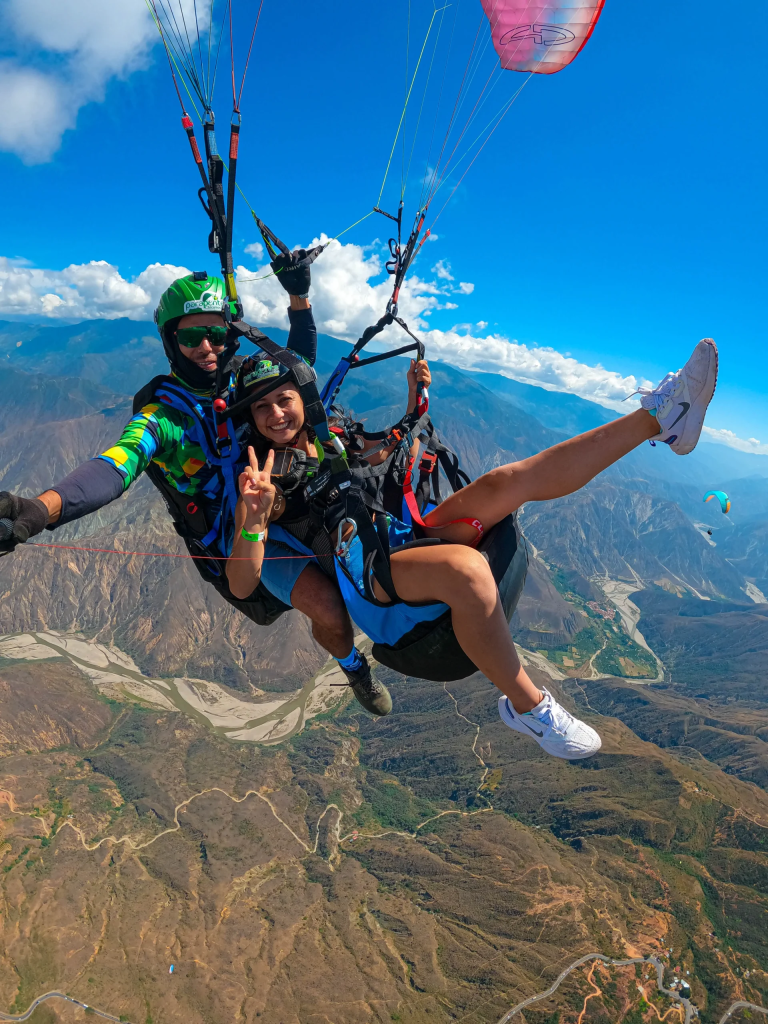
Use established operators, check what insurance and safety equipment are included and do not choose only by the lowest price. River and weather conditions can change, so a responsible company may cancel or alter an activity.
16. See the scale of Chicamocha Canyon
The roads between Bucaramanga and San Gil reveal the canyon in stages. The commercial park and cable car provide easy viewpoints, but the landscape is also visible from road stops and smaller local routes.
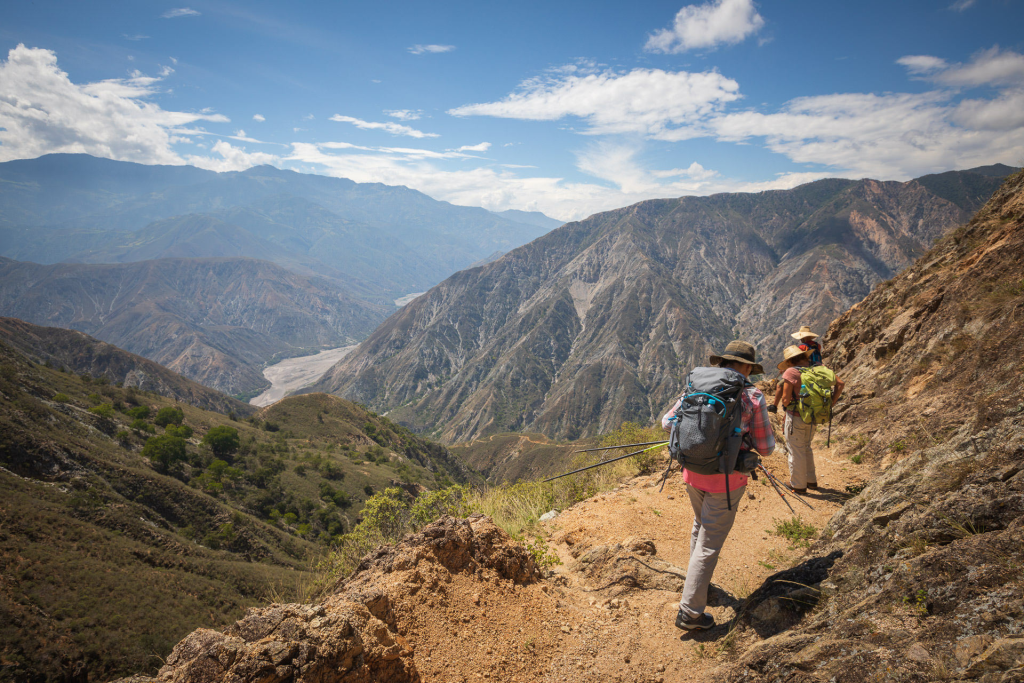
This is one of those places where the journey matters. Do not schedule a tight connection immediately after a mountain-road transfer.
17. Spend a quiet day in Villa de Leyva
Villa de Leyva is one of the easiest colonial-town additions from Bogotá. Its huge stone plaza is the centrepiece, but the surrounding museums, countryside, fossils and whitewashed streets justify at least one night.
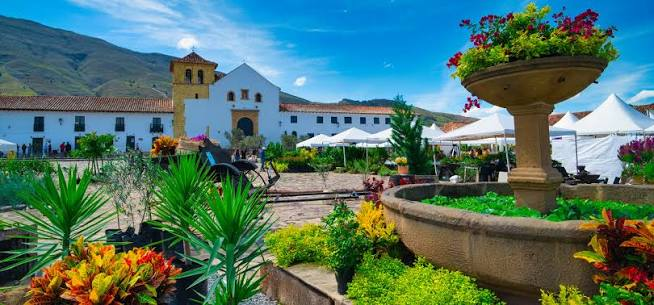
Weekends can be crowded. Arriving on a weekday or staying overnight changes the experience.
18. Take the slower route to Mompox
Mompox sits beside the Magdalena River and feels detached from Colombia’s fast modern routes. Its churches, colonial houses and gold-and-silver filigree workshops reward a slow visit.
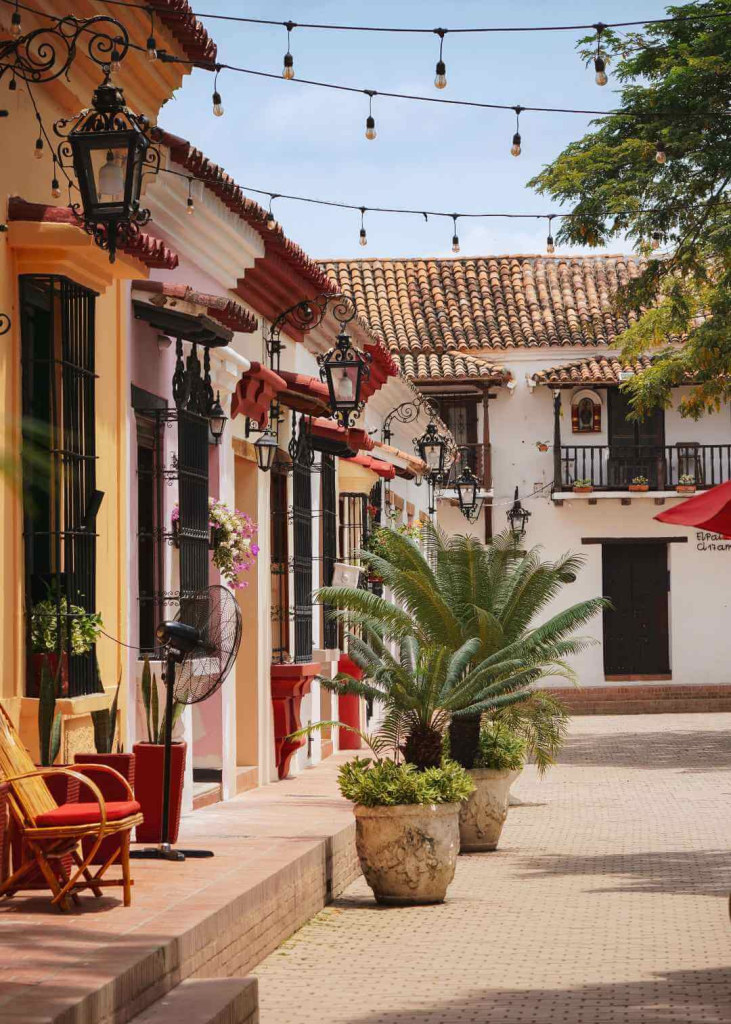
The journey is longer than a map suggests, which is exactly why it remains quieter than Cartagena. Stay at least two nights; travelling all that way for one afternoon makes little sense.
19. Explore San Agustín’s stone statues
San Agustín Archaeological Park contains Colombia’s largest concentration of pre-Columbian megalithic funerary monuments and stone sculpture. The statues are spread through green hills rather than displayed in one indoor museum.
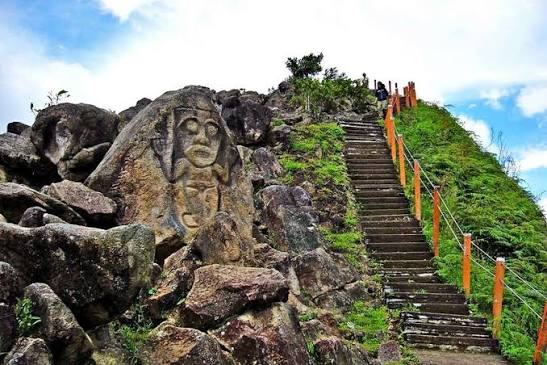
The town takes time to reach, so build it into a southwest route rather than treating it as a quick detour. A local guide can add context to carvings that otherwise become a series of mysterious figures.
20. Descend into the tombs of Tierradentro
Tierradentro is even less visited than San Agustín. Its main sites are underground burial chambers reached by steep spiral steps, with painted geometric designs inside.
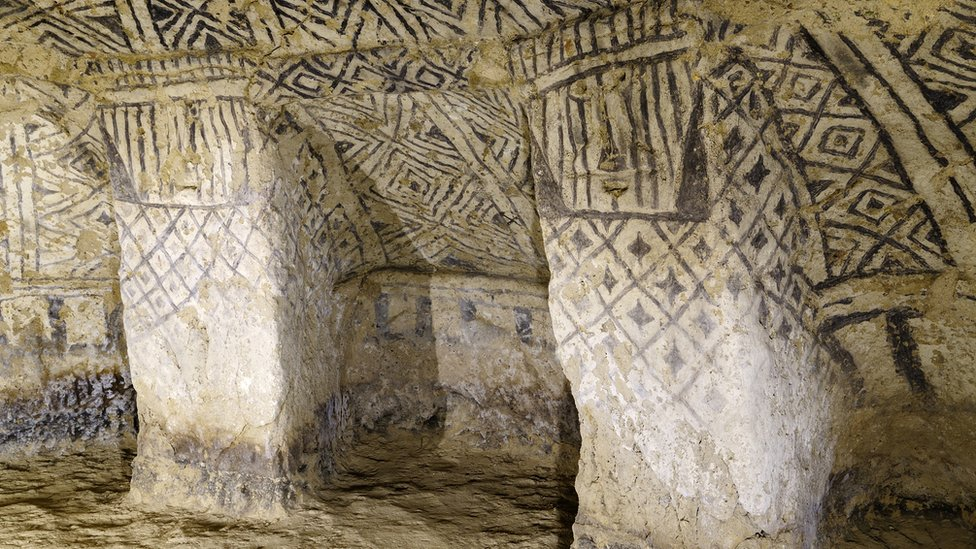
The park requires walking between separate areas, and access conditions can change after heavy rain or road problems. It suits travellers who are comfortable with basic transport and do not need every part of a trip to be easy.
21. Sleep under the stars in the Tatacoa Desert
Tatacoa is not a true sand desert but a dry tropical landscape of red and grey eroded formations. Days are hot, shade is limited and the night sky is the main reason many people stay overnight.
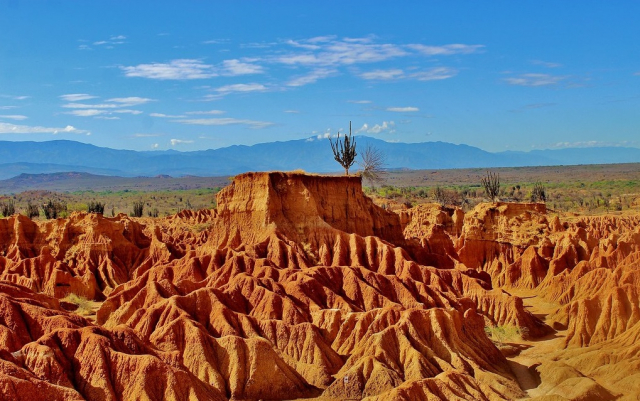
Visit the formations early or late, carry much more water than you think you need and use local transport or a guide for sections beyond the main roads.
22. See Caño Cristales in season
Caño Cristales is famous for the aquatic plants that create red, pink, green and yellow tones in the river. The colours depend on water and plant conditions, so this is a seasonal trip rather than a year-round attraction.
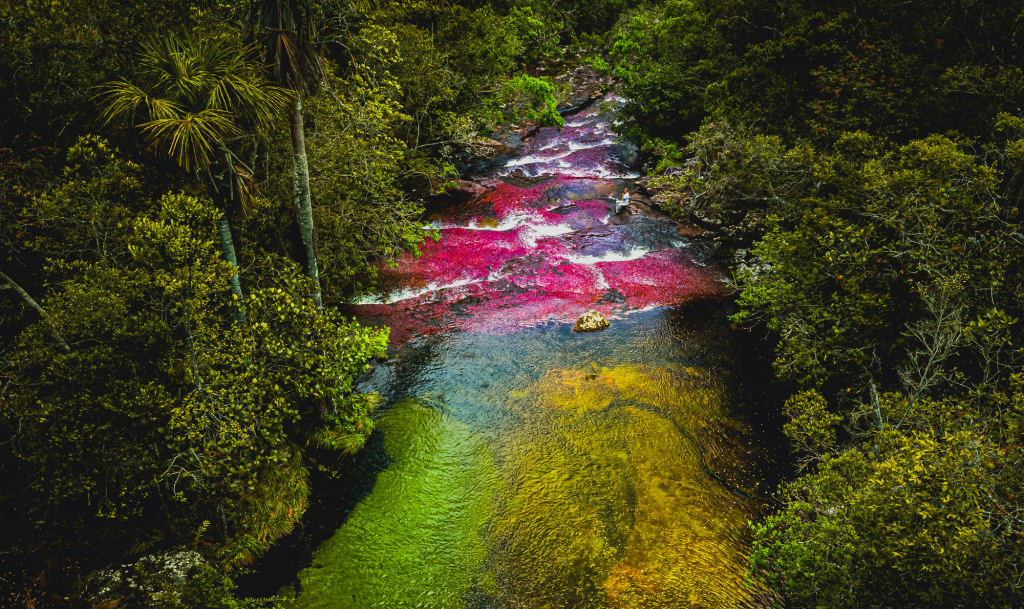
Visitors reach the area through La Macarena, then continue by boat, vehicle and marked walking routes. Access is controlled to protect the ecosystem. Book through a recognised operator and confirm that the river is open before buying flights.
23. Enter the Amazon through Leticia
Leticia is reached by air and sits on the Amazon River at the meeting point of Colombia, Peru and Brazil. The town itself is the transport base; the reason to go is the river, forest, wildlife and communities beyond it.

A good trip uses a responsible lodge or operator and leaves enough time for weather delays. Wildlife sightings are never guaranteed, and the Amazon should not be sold as a checklist of animals.
24. Watch humpback whales on the Pacific coast
Humpback whales migrate to Colombia’s Pacific waters during the second half of the year to breed and give birth. Nuquí and Bahía Solano are the best-known bases.
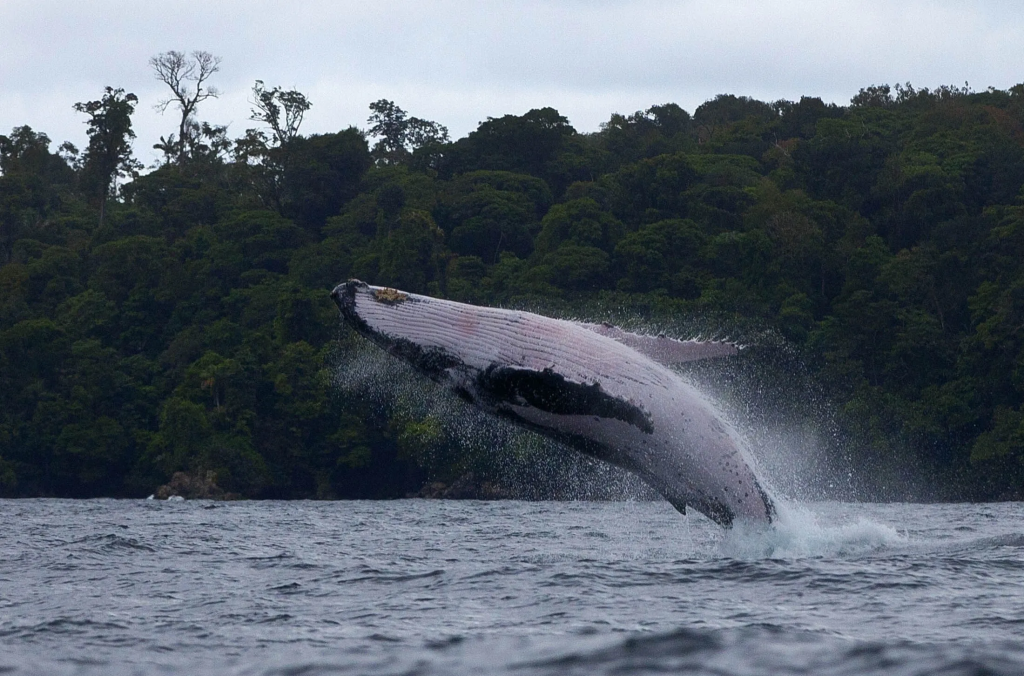
The Pacific is wet, remote and logistically different from the Caribbean. Flights are small, roads are limited and plans depend on sea and weather conditions. That inconvenience protects much of what makes the region special.
25. Spend a few days in the Chocó rainforest
Whales are only one reason to visit Chocó. The region combines rainforest, dark-sand beaches, rivers, waterfalls, Afro-Colombian communities and exceptional birdlife.
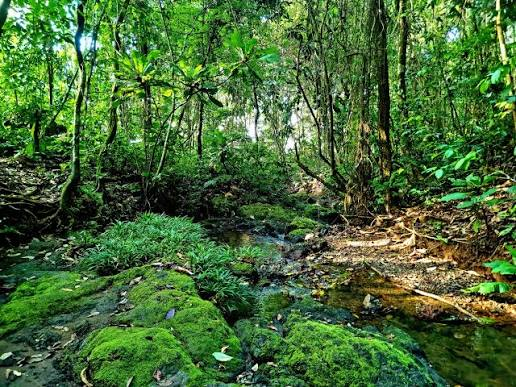
Choose accommodation carefully. A lodge with food, transfers and experienced local guides is usually more practical than trying to organise each part separately.
26. Travel through La Guajira with a responsible local operator
La Guajira’s desert reaches the Caribbean at Colombia’s far northern edge. Cabo de la Vela and Punta Gallinas provide dunes, beaches and enormous open landscapes.
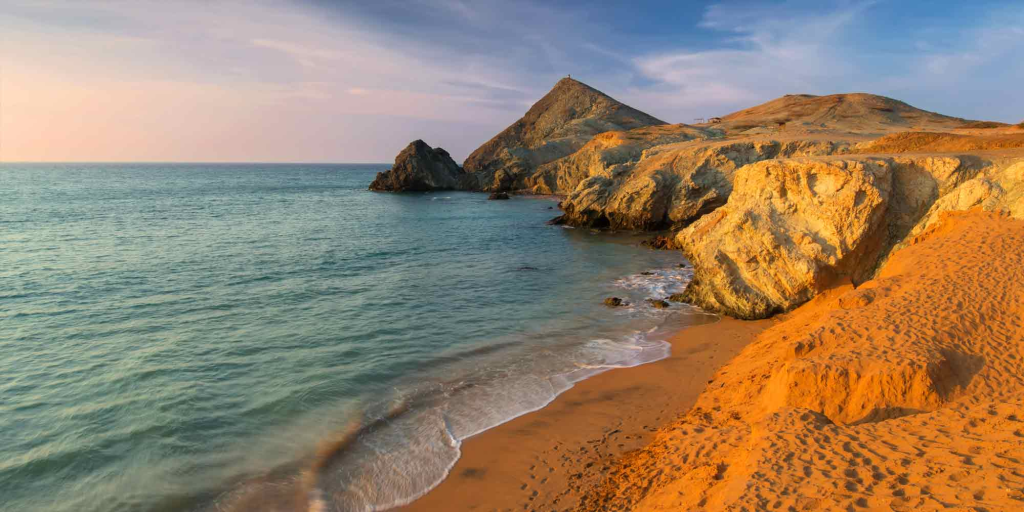
This is also Wayuu territory and a region with serious poverty and water problems. Choose a locally connected operator, ask where money goes and do not treat communities or children as roadside photo opportunities.
27. Dive or relax on Colombia’s islands
San Andrés has the most flights, hotels and services. Providencia is smaller, quieter and harder to reach. The experience is different enough that they should not be treated as interchangeable.
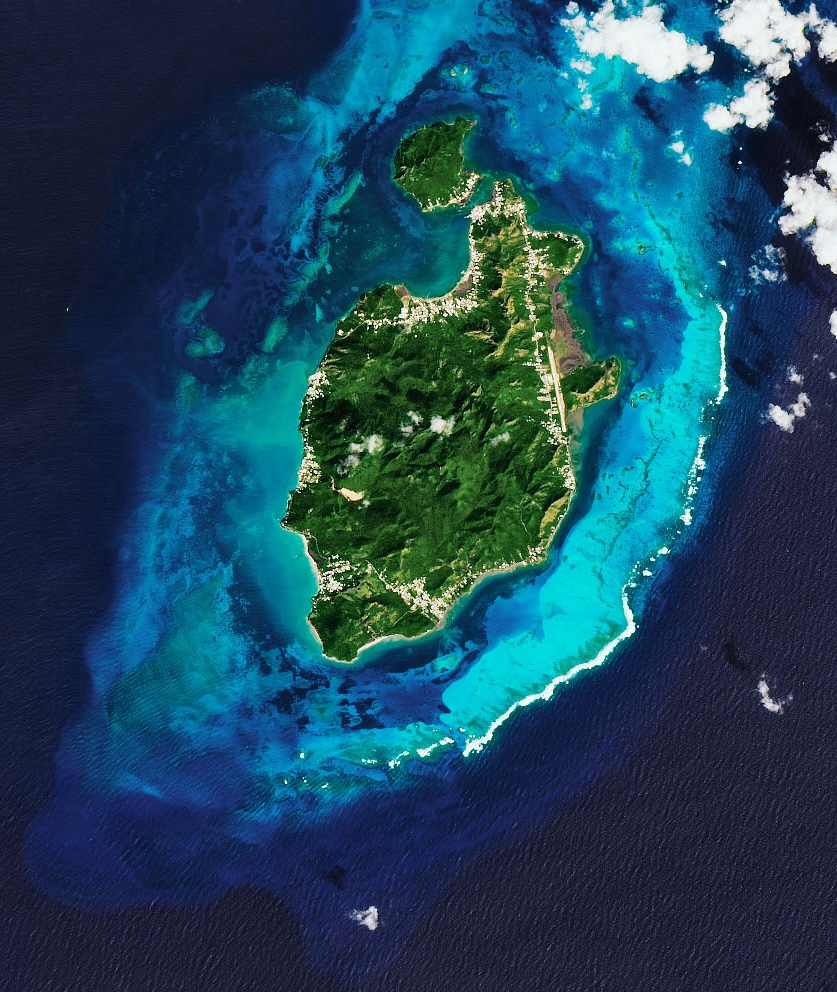
The islands are a good fit when beaches, snorkelling and diving are central to the trip. They are a poor add-on to an already crowded route because reaching them requires flights and weather can disrupt local connections.
28. Go birdwatching, even if you are not a birder
Colombia has more than 1,900 recorded bird species and is widely recognised as the country with the greatest bird diversity. You do not need specialist equipment to benefit from that.
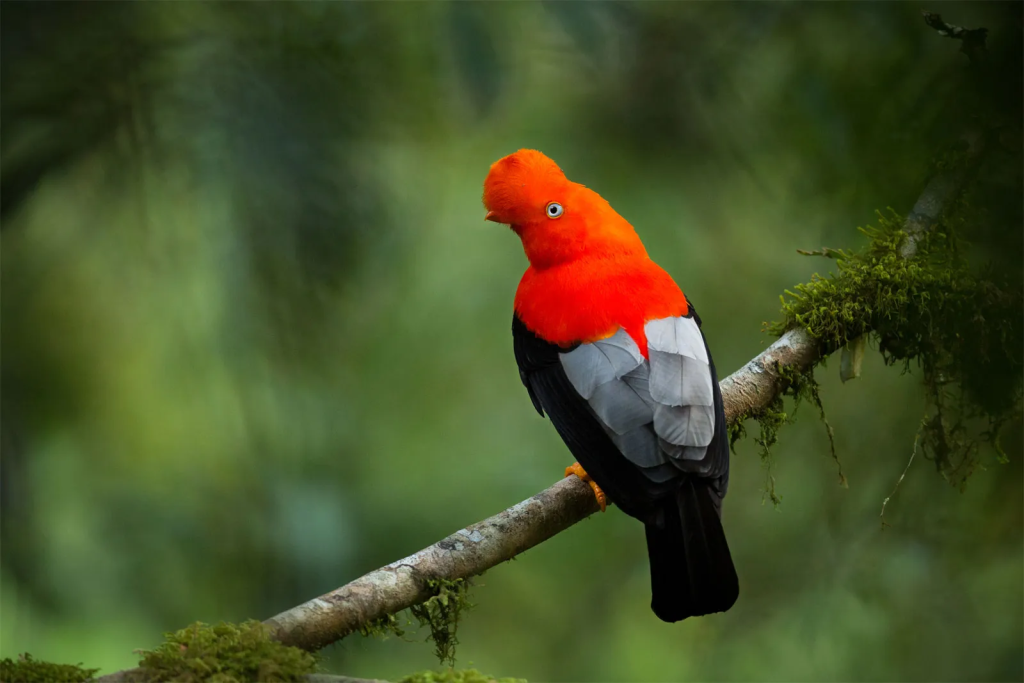
A two-hour guided walk in Minca, the Coffee Region, Chocó or the hills around Medellín can reveal far more than a full day of walking alone. Early mornings are best.
29. Plan around one major festival
Colombia’s festivals can completely change a trip. Medellín’s Feria de las Flores, Cali’s December fair, Barranquilla Carnival and Pasto’s Carnaval de Negros y Blancos are major examples.

Festivals bring higher prices, full hotels and altered transport. They are worth planning around when the event genuinely interests you. Otherwise, visiting immediately before or after may give you a calmer and cheaper trip.
30. Leave room for an unplanned town or extra day
Colombia rewards flexibility. A road closes, rain changes a hike, a town is better than expected or a four-hour bus takes seven. A spare day keeps those changes from damaging the rest of the trip.
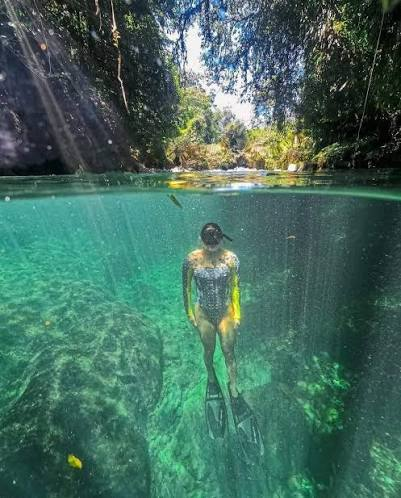
The country is much more enjoyable when every transfer is not followed by a prepaid tour and a flight the next morning.
Sample Colombia itineraries
Ten days: Medellín and the Caribbean
Days 1-4: Medellín, including Comuna 13 and one local day trip
Day 5: Fly to Cartagena
Days 5-7: Cartagena and a nearby island or coastal day
Day 8: Travel to Santa Marta or the Tayrona area
Days 8-10: Tayrona, Minca or Santa Marta
Two weeks: cities and the Coffee Region
Days 1-3: Bogotá
Days 4-7: Medellín
Days 8-11: Coffee Region, using one base or two nearby towns
Days 12-14: Cartagena or Cali, depending on whether you prefer the coast or salsa
Two weeks: Caribbean and nature
Days 1-3: Cartagena
Days 4-6: Santa Marta and Minca
Days 7-10: Tayrona or the Lost City trek
Days 11-14: Palomino, La Guajira or an extra Caribbean stay
Three weeks: a balanced first trip
Days 1-3: Bogotá
Days 4-8: Medellín and Antioquia
Days 9-12: Coffee Region
Days 13-16: Cartagena
Days 17-21: Santa Marta, Tayrona and Minca
| Do not copy these routes blindly: A good itinerary depends on arrival airport, weather, budget and interests. Remove a region before adding another. The fastest way to make Colombia exhausting is to spend every second day moving. |
When is the best time to visit Colombia?
Colombia does not have one national climate. Altitude matters more than distance from the equator. Bogotá can be cold and wet while Cartagena is extremely hot on the same day.
December to March and roughly June to August are often easier travel periods in many Andean and Caribbean areas. That does not mean they are dry everywhere, and they also include busy holiday weeks.
Pacific whale season falls during the second half of the year.
Caño Cristales opens according to environmental and water conditions.
Tayrona has planned closure periods and may close for other reasons.
The Amazon and Pacific receive rain throughout the year.
Mountain weather can change within an hour.
Getting around Colombia
Domestic flights
Flights are often the sensible choice between major regions. Compare the total journey, including airport transfers and baggage fees, rather than only the time in the air.
Long-distance buses
Buses are useful for regional routes and overnight journeys, but mountain travel is slow. Travel times shown online are often optimistic. Keep warm clothing accessible because air conditioning can be strong.
Cars
A car helps in rural Antioquia, the Coffee Region and Santander. It is less useful inside Bogotá, Medellín or Cartagena, where traffic and parking create more problems than freedom.
Local transport
Apps, taxis, local buses and shared vehicles fill the gaps. In small towns, confirm the last return service on the same day rather than relying on an old timetable.
Is Colombia safe to visit?
Most visitors complete Colombia’s established travel routes without a serious problem. The most common issue in cities is opportunistic theft, especially phones and unattended belongings.
The country also has rural areas affected by armed groups, illegal economies or rapidly changing security conditions. A beautiful place on a map is not automatically suitable for independent travel.
Check current official advice before remote road journeys.
Use known transport at night.
Keep phones discreet on city streets.
Choose licensed operators for remote parks and treks.
Ask locally about road and trail conditions.
Do not travel into a restricted area because one old blog says it was safe.
For city-specific advice, read Is Medellín Safe? and No Dar Papaya.
How long do you need in Colombia?
Ten days is enough for two connected regions. Two weeks allows two regions comfortably or three at a faster pace. Three to four weeks gives a first visit room to breathe.
Do not count only nights. A seven-night trip with three flights and two long buses may contain only three useful sightseeing days.
Frequently asked questions
What are the best places for a first trip to Colombia?
Medellín, Cartagena, the Santa Marta region, Bogotá and the Coffee Region are the easiest first-trip anchors. Choose two or three according to weather, interests and available time.
How many days should I spend in Colombia?
Ten days to two weeks is a useful first trip. Ten days should focus on two regions. Two weeks can include three if the route is simple and at least one long transfer is replaced by a flight.
Is Bogotá or Medellín better for a first visit?
Medellín is easier, warmer and more compact for most visitors. Bogotá has stronger museums, a larger restaurant scene and more national history. The better choice depends on whether convenience or culture is the priority.
Is Cartagena worth visiting?
Yes, especially for a first trip. The old city is unique in Colombia. Stay alert to inflated prices, manage expectations about city beaches and avoid spending the entire visit inside the most touristy streets.
Do I need Spanish?
You can travel the main tourist route with limited Spanish, but basic phrases improve transport, restaurants and small-town travel. English becomes less common away from hotels and organised tours.
Should I use cash or cards?
Carry both. Cards work widely in cities, while cash remains important for local transport, markets, tips and small rural businesses. Use ATMs inside banks, supermarkets or shopping centres.
What should I skip on a short first trip?
Skip destinations that require a separate flight and several days unless they are a personal priority. The Amazon, Pacific coast, Caño Cristales and archaeological south are excellent, but they do not fit naturally into every 10-day route.
| The best Colombia trip is not the one that covers the most ground. Choose a few places that show different sides of the country, leave space between them and accept that you will need another visit. Colombia is too varied for one perfect itinerary, which is a much better problem than running out of things to do. |