Santa Marta makes more sense when you stop expecting it to be another Cartagena. The historic center is smaller, the city is rougher around the edges, and the heat can be exhausting. Its real advantage is location. Within a few hours, you can move between Caribbean beaches, tropical forest, mountain coffee farms and the foothills of the Sierra Nevada.
That does not mean the city itself should be skipped. Santa Marta has Colombia’s oldest surviving Spanish-founded city center, a useful museum, a lively waterfront and several neighborhoods that work well as travel bases. The best trip simply gives more time to the wider region than to the urban checklist.
This guide replaces the shorter original article with a practical plan. It explains the different parts of Tayrona instead of treating the park as one beach, gives realistic advice for Minca and the Lost City trek, and separates dependable information from details that change often.
Table of Contents
Santa Marta at a glance
| Planning question | Practical answer |
| How long to stay | Two days for the city and one nearby trip; five to seven for Tayrona, Minca and the coast. Add four or five for Ciudad Perdida. |
| Best for | Nature, beaches, hiking, diving and a wider Caribbean itinerary. |
| Best city base | Historic Center for restaurants; El Rodadero for resort convenience; the eastern coast for Tayrona and slower travel. |
| Airport | Simón Bolívar International Airport is south of the city, near El Rodadero. |
| Main planning mistake | Sleeping every night in central Santa Marta and losing hours traveling back and forth. |
| Current Tayrona note, July 2026: The park is open, but Parques Nacionales says land entry through Calabazo and Zaíno-Cañaveral remains temporarily restricted. Bahía Concha, Neguanje and maritime routes are operating. Conditions can change quickly, so check the official park page shortly before traveling. |
1. Start by understanding what Santa Marta is
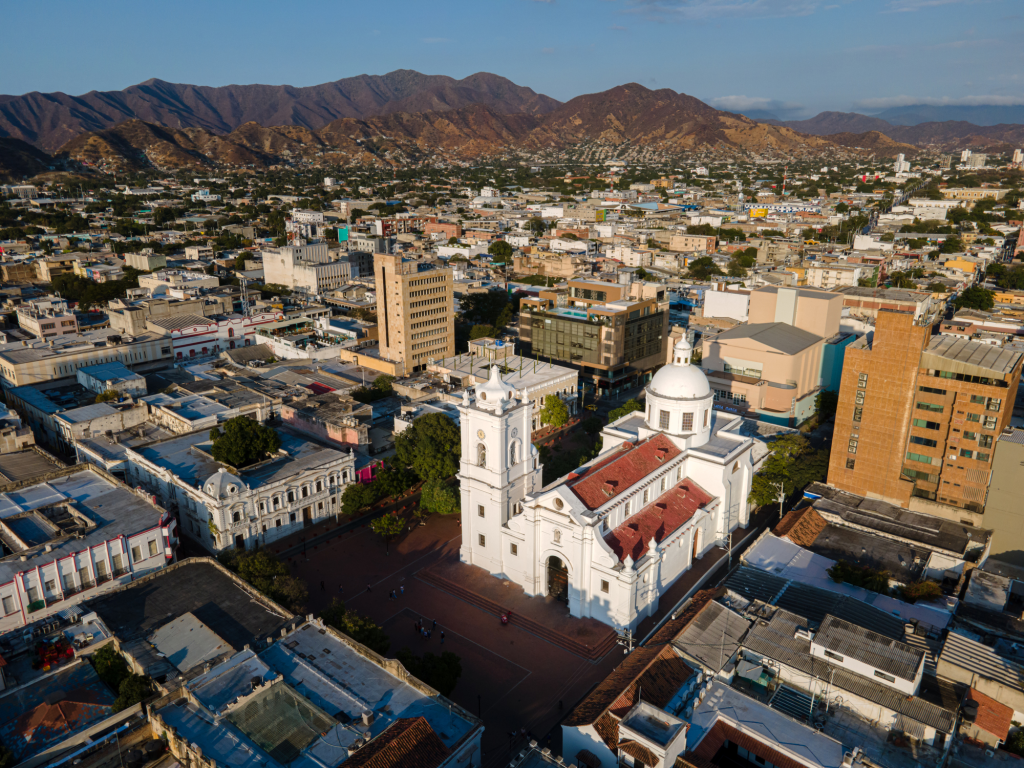
Santa Marta was founded in 1525 and is the oldest surviving city founded by the Spanish in Colombia. The historic center carries that long history, but repeated attacks, fires and rebuilding mean it does not look like a perfectly preserved colonial museum. It is a working port city with a compact visitor area rather than a large old town.
The region matters more than the city boundary. The Sierra Nevada rises almost directly from the Caribbean and contains several climate zones within a short distance. The mountains are also living Indigenous territory. The Kogui, Wiwa, Arhuaco and Kankuamo peoples are not part of a historical display; they are present-day communities with spiritual, political and cultural authority in the region.
That context should shape the trip. Choose tours that treat Indigenous people as partners rather than scenery, respect closures and sacred sites, and do not photograph people without permission.
2. Plan Tayrona by entrance, not by Instagram photo
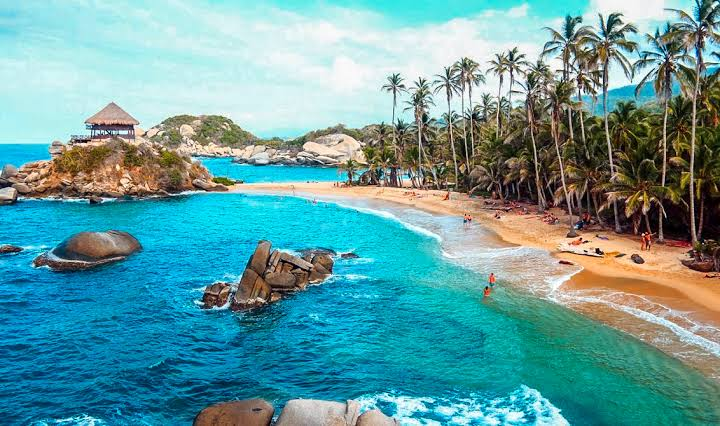
Parque Nacional Natural Tayrona is a large protected area with different land and sea entrances. A day at Bahía Concha is not the same trip as hiking from Zaíno toward Cabo San Juan. Before buying transport or accommodation, decide which sector you actually want to visit and confirm that the entrance is operating.
The park has daily visitor limits, changing schedules and an accident-insurance requirement. It also closes every year from February 1 to 15, June 1 to 15, and October 19 to November 2. These closures are agreed with the four Indigenous peoples of the Sierra Nevada for ecological, cultural and spiritual work. Weather or security conditions can cause additional restrictions.
Bahía Concha: the easiest park beach from the city
Bahía Concha is the simplest Tayrona option for many first-time visitors. It is reached from the Santa Marta side and works as a beach day rather than a long jungle hike. The bay has food services and designated swimming areas when conditions allow.
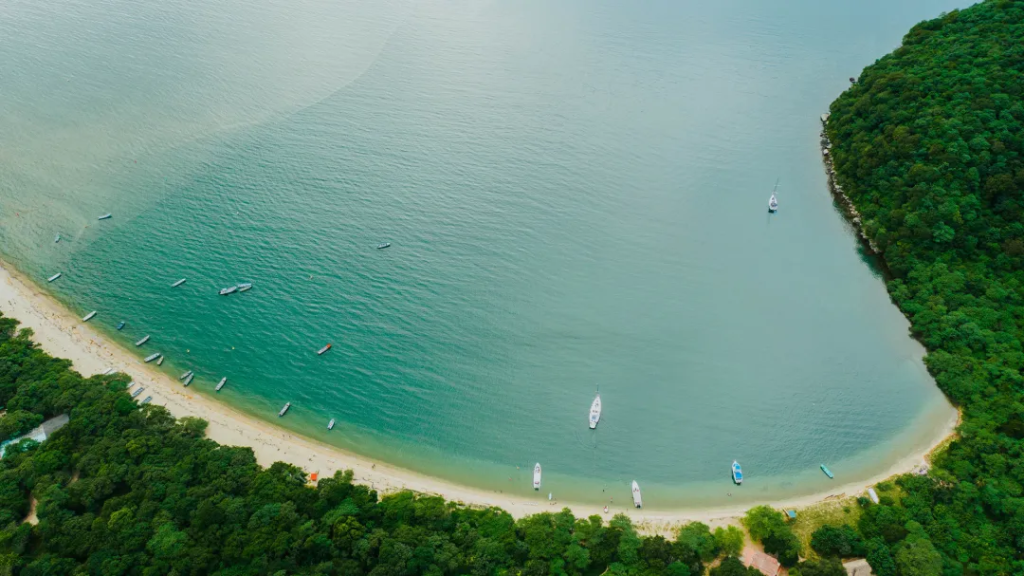
It can become crowded on weekends and holidays. Arrive early, bring sun protection and follow the flag system. A calm-looking Caribbean bay can still develop unsafe conditions, and the instructions of lifeguards and park staff matter more than what other swimmers are doing.
Neguanje and Playa Cristal: road plus boat
The Palangana entrance leads toward Neguanje and other bays. Playa Cristal is normally reached by a short boat ride after the road journey. This is one of the more popular snorkeling and beach-day routes, with capacity controls that can fill early in high season.
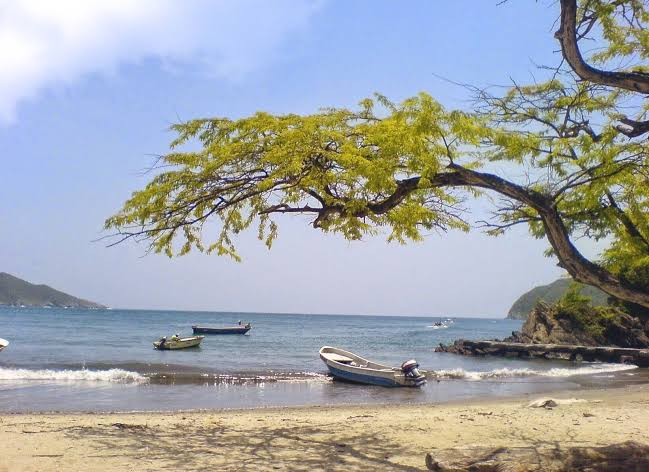
Confirm the full price before leaving, including land transport, boat transport, park entry, insurance and any equipment. Boats are weather-dependent. A responsible operator should provide life jackets and should not pressure passengers to travel in rough conditions.
Zaíno, Cañaveral and Cabo San Juan: the classic hike
The route most travelers picture begins near Zaíno and Cañaveral, then continues through forest and coastal sections toward Arrecifes, La Piscina and Cabo San Juan. It is a hot, humid walk, not a short stroll from a parking lot. The journey is part of the experience, but it requires proper shoes, water, an early start and realistic timing.
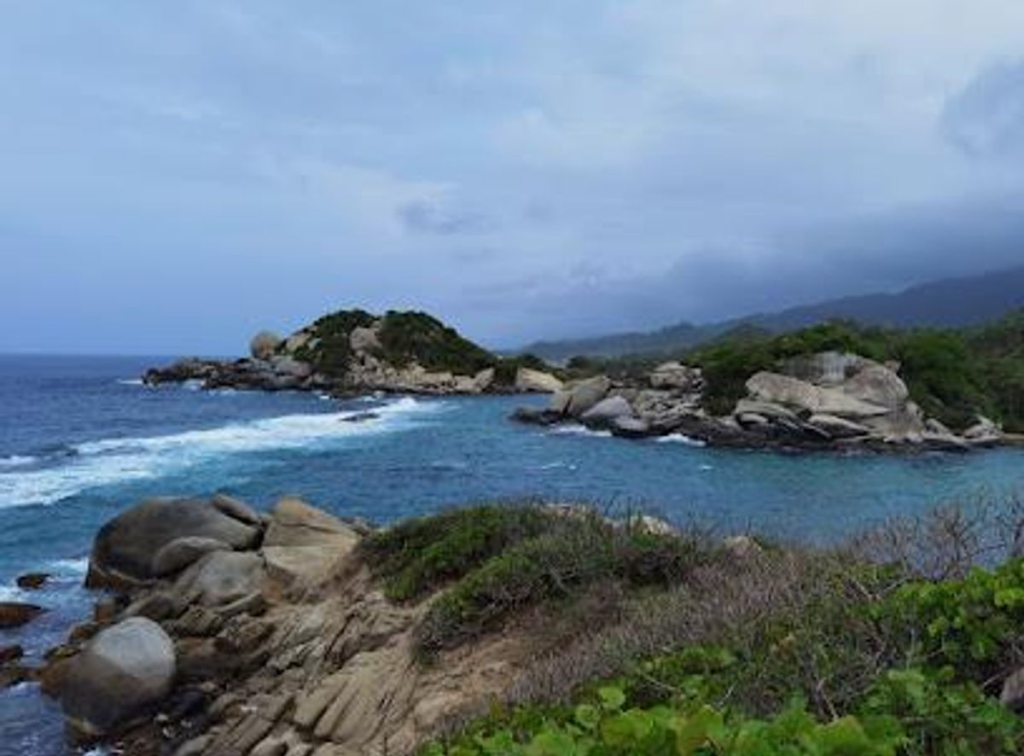
Not every beach on this route is safe for swimming. Arrecifes is known for dangerous currents, and red-flag beaches are closed for a reason. Swim only where the park has authorized it. When the eastern land entrances reopen fully, verify trail condition, last-entry times and exit deadlines before setting out.
Maritime access: convenient but not automatically easier
Boats operate from places including Santa Marta, El Rodadero and Taganga to several Tayrona bays. This can save walking time, but the sea may be rough and the ride can be uncomfortable. Ask where the boat lands, how wet passengers and luggage may get, whether life jackets are provided and what happens if conditions prevent the return journey.
A low price is not a reason to ignore safety. Use an established company, keep electronics protected and do not board an overloaded or poorly equipped boat.
3. Stay near Tayrona when the park is the priority
A common mistake is to sleep in central Santa Marta, visit Tayrona as a rushed day trip and return through traffic after a long, hot walk. Staying near the eastern park entrances or along the coast makes an early start much easier and turns the area into more than a single checklist day.
The coastal corridor around Los Naranjos, Guachaca, Mendihuaca and Buritaca includes hostels, eco-lodges and small hotels. Access varies. Some properties sit directly beside the main road, while others require a motorcycle, four-wheel-drive vehicle or long walk. Ask for exact arrival instructions before booking, especially after dark or during heavy rain.
This coast is quieter than El Rodadero but not isolated from practical problems. Mobile signal, electricity and water pressure may be less reliable, and beaches can have strong currents. A beautiful beachfront room does not guarantee safe swimming.
4. Hike to Ciudad Perdida only when you want the full trek
Ciudad Perdida, or Teyuna, is an archaeological site deep in the Sierra Nevada. It was built centuries before the Spanish arrival and is reached through a regulated multi-day trek. This is not a ruin you can visit by taxi for an afternoon.
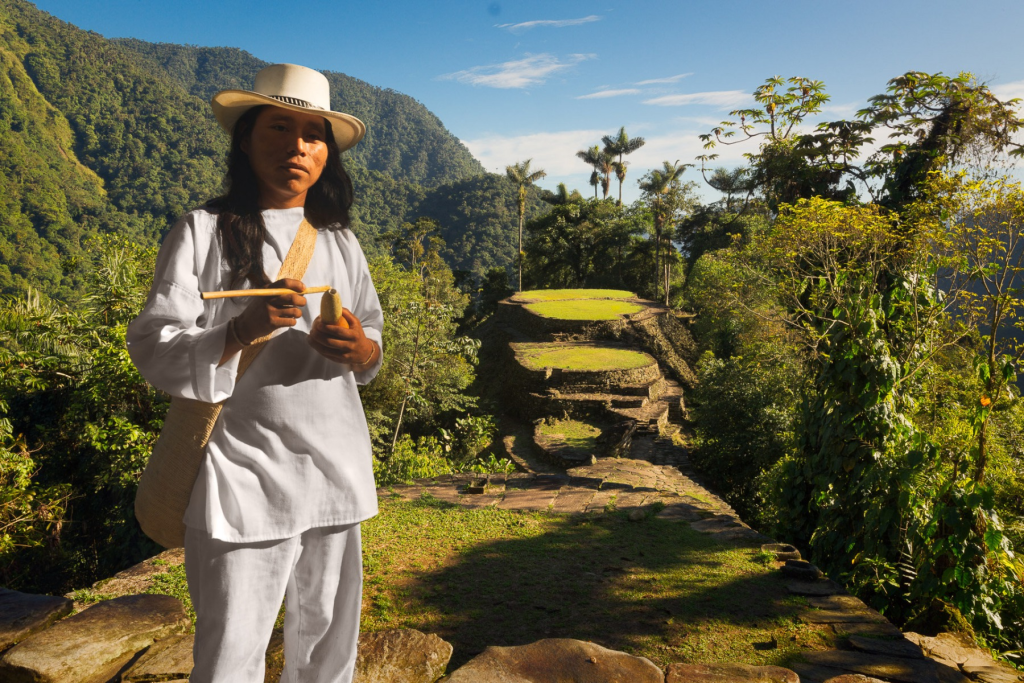
Most itineraries take four or five days. The route includes repeated climbs, river crossings, high humidity, simple camps and a final staircase of roughly 1,200 stone steps. Rain turns the trail muddy, while dry weather can make the exposed sections very hot. The difficulty comes from doing it day after day rather than from one technical section.
Access is controlled, and visitors must travel with an authorized operator. The package normally covers guides, meals, basic sleeping stations and route logistics. Compare what each operator includes, the group size, guide background, insurance, cancellation rules and how the company works with Indigenous and rural communities. Do not choose only by the lowest advertised price.
The trek is best for travelers who already know they enjoy multi-day hiking. If you are unsure, spend two days walking in Minca or Tayrona first. Ciudad Perdida is rewarding, but there is no shame in deciding that heat, mud, basic accommodation and several long days are not your idea of a holiday.
5. Spend at least one night in Minca
Minca sits in the lower Sierra Nevada above Santa Marta. The cooler air is an immediate relief after the coast, and the area is known for birds, coffee, cacao, waterfalls and wide views toward the Caribbean. The village center has become busy, but the surrounding hills still offer quiet stays.

A day trip can cover one farm or waterfall. One or two nights creates a better visit because you can enjoy the early morning, when birds are active and the roads are calmer. Coffee and cacao tours vary in quality. The better ones explain farming, processing and local economics rather than offering only a tasting and a photo.
Marinka waterfalls and Pozo Azul are well-known stops, which also means they can be crowded. Water conditions change after rain, and slippery rocks deserve more attention than they receive in social-media videos. Use marked paths and follow local instructions.
Accommodation location matters more in Minca than the booking map may suggest. A lodge described as “near Minca” can be far above the village on a rough road. Ask whether you can arrive by car, motorcycle or only on foot, how much the final transfer costs and whether there is a restaurant on site.
6. Give the Historic Center a proper half-day
The center is small enough to explore on foot during daylight. Begin around Parque de Bolívar and the Casa de la Aduana, continue through the streets toward the cathedral and Parque de los Novios, then finish on the waterfront. The buildings are mixed: some are restored, others are worn, and modern businesses sit beside older facades.
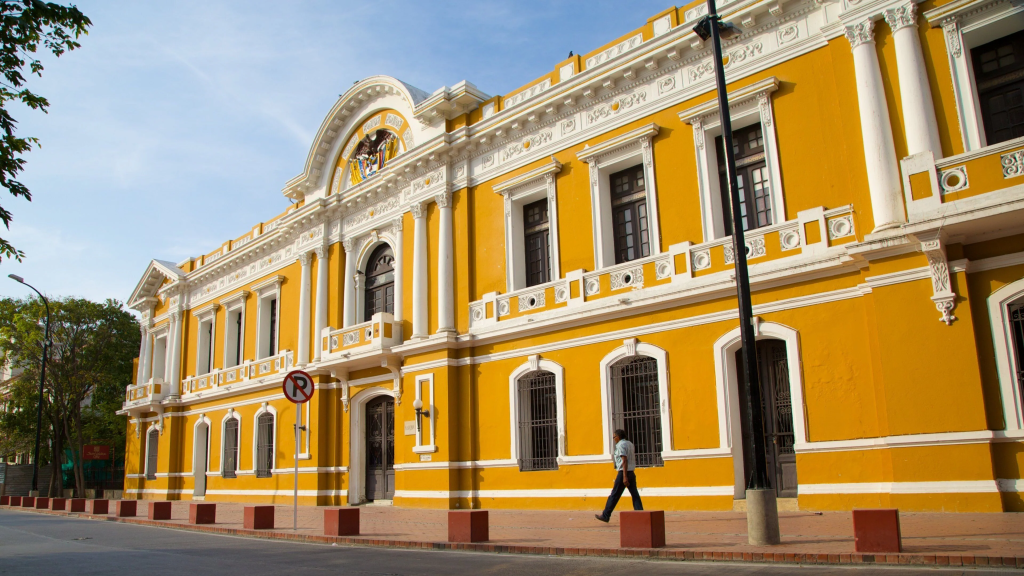
Parque de los Novios is the evening center for restaurants and people-watching. The atmosphere is busiest after sunset. Choose a place with a visible menu and recent reviews, and arrange the journey back to your hotel rather than wandering into quiet streets without a plan.
The Malecón de Bastidas is pleasant around sunset, although heat and limited shade make the middle of the day less appealing. Keep phones and cameras discreet when the promenade is quiet, just as you would in any busy Colombian city.
7. Visit the Museo del Oro Tairona
The Museo del Oro Tairona is the best introduction to the region before visiting Tayrona or the Sierra Nevada. It is housed in the restored Casa de la Aduana and explains both archaeological societies and the Indigenous communities living in the wider region today.
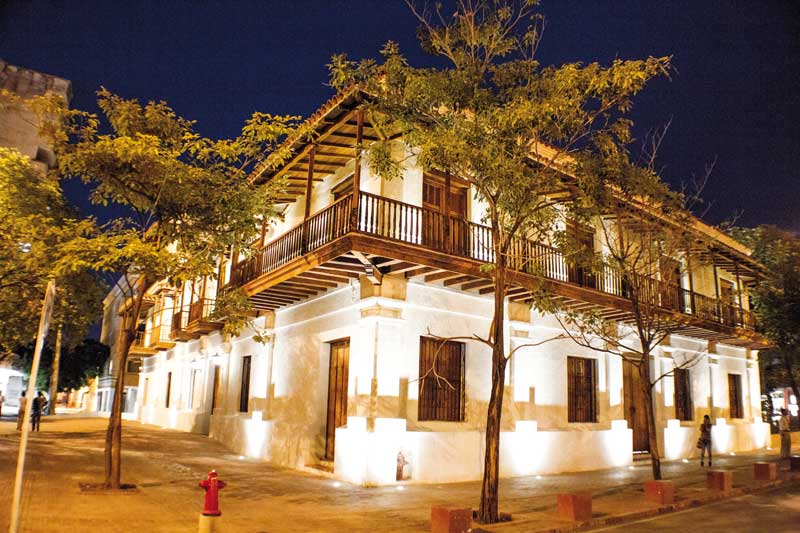
The collection includes hundreds of archaeological and ethnographic objects, but the value is in the context rather than the amount of gold. The museum helps visitors understand settlement, trade, belief and the relationship between coast and mountain. Entry is free. The published schedule is Tuesday to Saturday from 9:00 a.m. to 5:00 p.m. and Sunday from 10:00 a.m. to 3:00 p.m., with Monday closed. Check for holiday changes.
8. See where Simón Bolívar spent his final days
The Quinta de San Pedro Alejandrino is a historic estate and garden on the edge of the city. Simón Bolívar died there in December 1830. The site now combines preserved rooms, monuments, gardens and art spaces.
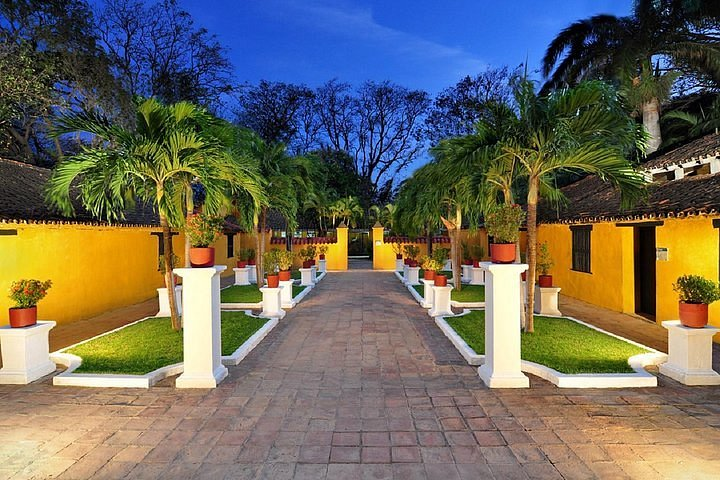
It is more meaningful when you allow time for the history rather than treating it as a quick photo stop. The estate also provides a quieter break from the center. Check the official schedule and ticket information before traveling, as hours and access arrangements can change.
9. Choose city beaches for convenience, not wilderness
El Rodadero
El Rodadero is Santa Marta’s developed resort district. The beach is lined with apartment buildings, hotels, restaurants and vendors. It suits families and travelers who want services close at hand, but it is not the quiet jungle-backed coast shown in Tayrona photographs.
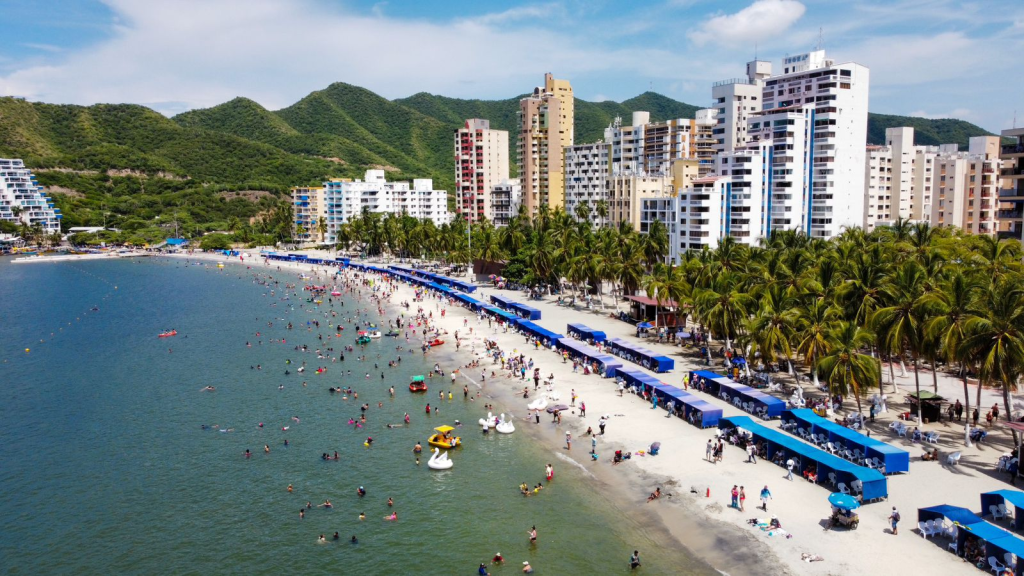
The water and sand can be crowded, especially during Colombian school holidays. Confirm prices before using chairs, tents, boat trips or other services. The neighborhood is convenient for the airport and has a wide range of accommodation.
Playa Blanca
Playa Blanca is reached by boat from El Rodadero. It can be an enjoyable half-day when the sea is calm, but the name creates expectations of an empty white-sand island that the busy beach may not meet. Ask about return time, life jackets and all charges before boarding.
Bello Horizonte and Pozos Colorados
The coast south of El Rodadero has larger hotels, apartments and a quieter atmosphere. It works well for travelers who want a comfortable beach stay close to the airport. The trade-off is distance from the historic center and the eastern road toward Tayrona.
10. Treat Taganga as a diving base, not an untouched village
Taganga sits over the hill from central Santa Marta and is known for budget diving and boat departures. The bay is attractive from above, but the village has changed greatly under tourism pressure. It can feel crowded, dusty and noisy, and its beach is not the region’s best.
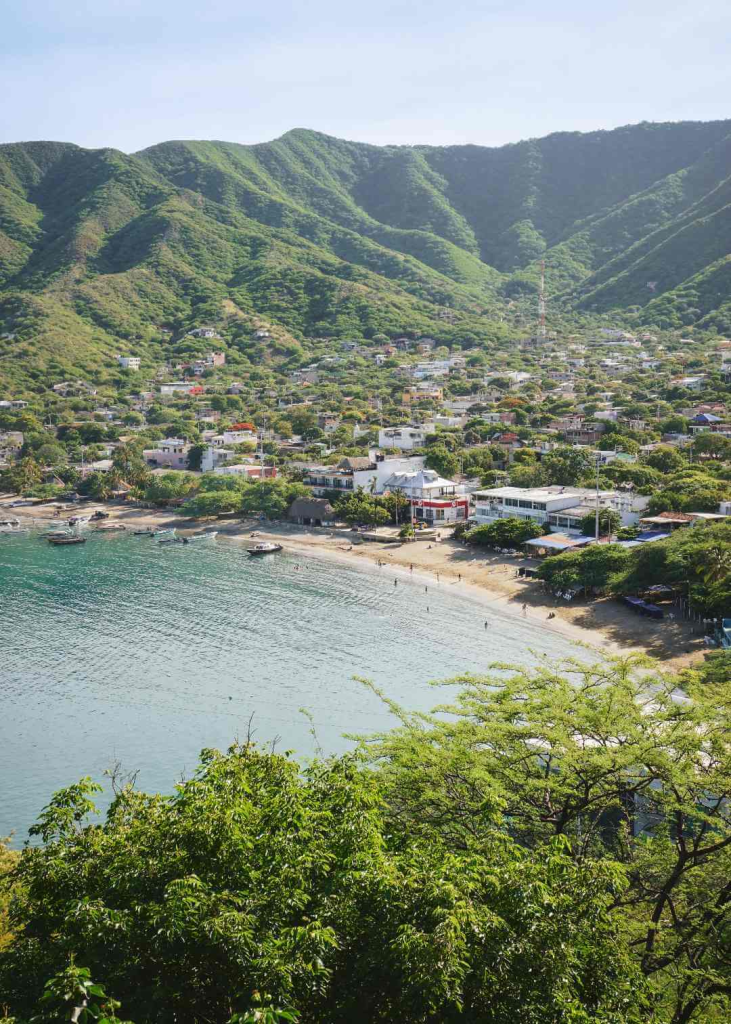
The strongest reason to stay is diving. Compare schools by instructor qualifications, equipment condition, group size, safety briefings and recent reviews. A cheap certification is poor value if the equipment or supervision is weak. Travelers who only want a quick look can visit in daylight and return to Santa Marta rather than staying overnight.
Street awareness matters in Taganga, particularly late at night and on quiet lanes. Use arranged transport and keep valuables out of sight.
11. Add the eastern beaches without rushing to Palomino
East of Tayrona, rivers descend from the Sierra Nevada and meet the Caribbean near Guachaca, Mendihuaca and Buritaca. These places offer slower beach stays, tubing and access to small lodges. Conditions are less polished than in a resort, which is part of the appeal for many visitors.
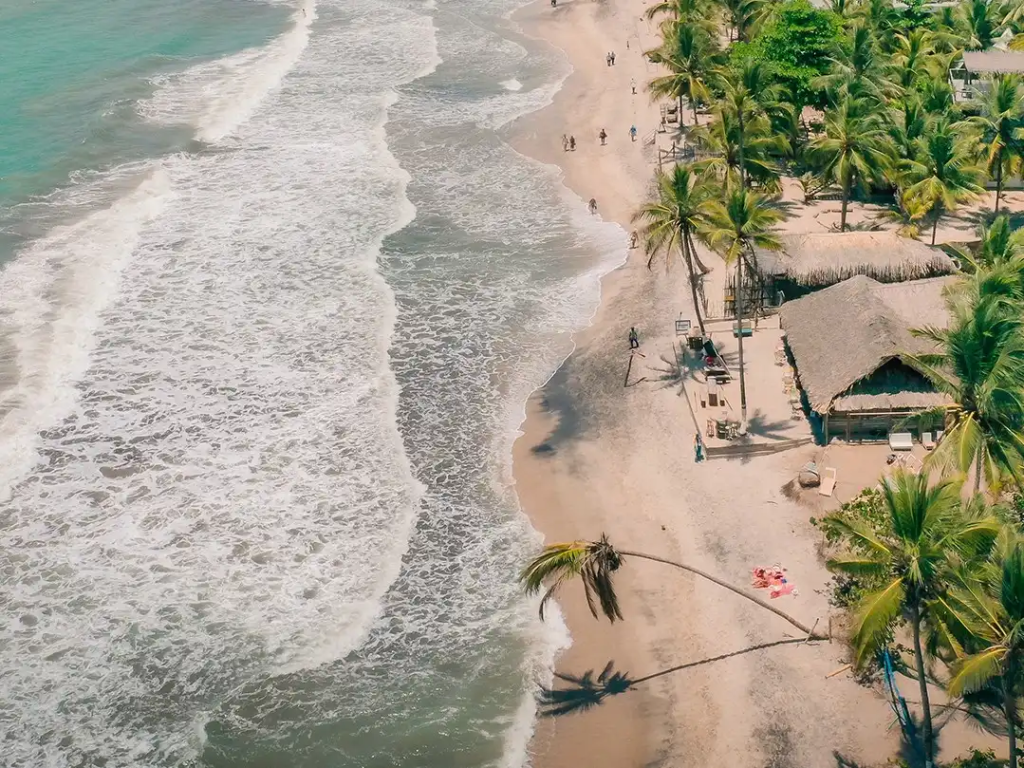
Palomino is farther east in La Guajira and has grown into a major backpacker stop. It works for travelers who want restaurants, hostels and a social scene, but it is no longer a hidden village. Beach erosion and strong currents affect parts of the coastline, while river tubing depends on water levels and local conditions.
Do not try to combine Minca, Tayrona and Palomino as three rushed day trips from Santa Marta. Move your base or choose the two experiences that matter most.
12. Eat beyond the hotel menu
Santa Marta’s food reflects the Caribbean coast. Fried fish with coconut rice, patacones and salad is the familiar beach meal. Other regional ingredients include chipi chipi shellfish, cassava, green plantain, fresh fruit and coconut sweets.

Prices vary sharply between a neighborhood lunch and a beachfront restaurant. Ask the price of fish by portion or weight before ordering, especially when the menu uses “market price.” Travelers with shellfish allergies should ask directly because seafood stocks and sauces may be prepared together.
The historic center has the widest choice of contemporary restaurants, while beach areas lean toward seafood and simple coastal meals. In Minca and the eastern corridor, many lodges serve guests because outside options may be far away. Check whether breakfast or dinner is included before booking remote accommodation.
Where to stay in Santa Marta and the surrounding region
Historic Center
Best for a first night, restaurants and a short urban visit. Choose a hotel close to Parque de los Novios or the main pedestrian streets with strong recent reviews. Noise is common on weekends, so ask for an interior room if sleep matters more than atmosphere.
El Rodadero
Best for families, apartment rentals, beach services and airport convenience. It feels like a separate resort district rather than part of the old city. Traffic toward Tayrona can make it a poor base for repeated eastern-coast trips.
Bello Horizonte and Pozos Colorados
Best for modern hotels, pools and a quieter beach stay. This area suits travelers who want to relax rather than walk to restaurants and museums every day.
Minca
Best for cooler temperatures, birds, farms and mountain views. Confirm the last part of the access route before paying for a remote lodge.
Tayrona corridor and eastern coast
Best for early park starts, beach lodges and slow travel. Services are more spread out, and the exact location of the accommodation matters greatly.
Getting to Santa Marta and moving around
Simón Bolívar International Airport receives direct domestic flights from major Colombian cities. It is south of central Santa Marta, so El Rodadero and Bello Horizonte are usually reached before the Historic Center. Use the authorized airport taxi service, a hotel transfer or a ride booked through a recognized platform. Confirm the destination before leaving the terminal.
Long-distance buses connect Santa Marta with Cartagena, Barranquilla and other cities. Travel times vary with traffic, roadworks and holiday demand. The main terminal is outside the historic center, so plan the final taxi or ride in advance.
Within the city, buses are inexpensive but can be difficult for a first-time visitor to understand. App-booked or authorized taxis are simpler for luggage, the airport and evening trips. For Tayrona and the eastern coast, public buses use the main road, but the final section to a lodge or park entrance may require another vehicle or a walk.
Do not rent a car only because places look close on a map. Traffic, road condition, parking and remote access can make it more stressful than expected. A car is useful for a carefully planned regional trip, but not essential for the standard Santa Marta route.
Best time to visit Santa Marta
Santa Marta is hot throughout the year. The main seasonal difference is rain, wind and crowd level rather than a dramatic temperature change. December through April is generally drier and popular, while later months often bring more humid conditions and heavier showers.
The dry season also overlaps with high visitor demand. Christmas, New Year, January holidays, Easter week and long weekends bring full buses, higher room prices and busy beaches. Book early or choose weekdays.
Tayrona’s three annual closure periods must be part of the plan: February 1-15, June 1-15, and October 19-November 2. Additional restrictions can occur because of weather, infrastructure or security. Never rely on a blog post alone for park access.
Is Santa Marta safe for visitors?
The standard route through the Historic Center, established beach districts, Minca, authorized Tayrona sectors and regulated Ciudad Perdida tours receives many visitors. The most common practical risks are theft, unsafe transport decisions, strong currents, heat and poorly planned trips into rural areas.
Use accommodation with recent reviews, arrange transport at night and avoid displaying expensive phones or jewelry on quiet streets. Keep control of food and drinks and do not follow a new acquaintance to an unplanned location. Carry only the cash and cards needed for the day.
Nature requires a different kind of caution. Swim only in designated areas, wear life jackets on boats, carry enough water and do not enter unofficial mountain routes. Parts of rural northern Colombia have armed-group activity, and conditions can change. Follow official travel advice, park announcements and local guidance rather than assuming that every road or trail shown online is appropriate for independent travel.
Call 123 for emergencies in Colombia. For organized treks, keep the operator’s emergency contact and your travel-insurance details available offline.
Practical itineraries
Three days: city, beach and mountain
Day 1: Explore the Historic Center, Museo del Oro Tairona, waterfront and Parque de los Novios.
Day 2: Choose one confirmed Tayrona sector, such as Bahía Concha or Neguanje, based on current access.
Day 3: Visit Minca for a farm, waterfall or birding experience. Stay overnight when possible.
Five days: a better first trip
Day 1: Historic Santa Marta and the museum.
Day 2: Quinta de San Pedro Alejandrino, then move to Minca.
Day 3: Full day and second night in Minca.
Day 4: Move to the Tayrona corridor or eastern coast.
Day 5: Visit an open Tayrona sector, then continue to the airport or return to Santa Marta.
Eight or nine days: include Ciudad Perdida
Spend one night in Santa Marta before the trek.
Allow four or five days for Ciudad Perdida with an authorized operator.
Recover with one or two nights in Minca or on the coast.
Finish with Tayrona only if current access and your energy level make it sensible.
Frequently asked questions
Is Santa Marta worth visiting?
Yes, mainly because it is the best base for Tayrona, Minca, Ciudad Perdida and the nearby Caribbean coast. The city itself deserves a half-day or full day, but the wider region is the reason to stay longer.
How many days do you need?
Five to seven days gives enough time for the city, Minca and one or two coastal experiences without constant packing. Add four or five days when Ciudad Perdida is part of the trip.
Is Tayrona open now?
The park is officially open at the time of this July 2026 update, but access is not fully normal. Bahía Concha, Neguanje and maritime routes are operating, while the Calabazo and Zaíno-Cañaveral land entrances remain temporarily restricted. Check Parques Nacionales immediately before travel.
Can you visit Ciudad Perdida without a tour?
No. Access is regulated and visitors must use an authorized operator. The trek is a multi-day route through Indigenous and rural territory, not an independent day hike.
Should you stay in Santa Marta, Minca or near Tayrona?
Use central Santa Marta for the city and transport connections, Minca for mountains and cooler air, and the Tayrona corridor for beaches and early park access. Splitting the stay is usually better than commuting from one hotel.
Is Santa Marta better than Cartagena?
They serve different trips. Cartagena is stronger for preserved architecture, restaurants and a polished city break. Santa Marta is stronger for nature, hiking and access to the Sierra Nevada. A Caribbean itinerary can include both.
The bottom line
Santa Marta is not Colombia’s most polished city, and that is the wrong standard for judging it. Its value comes from the extraordinary amount of landscape and history within reach: tropical dry forest beside coral bays, coffee farms above the coast, living Indigenous territory and one of the country’s most important archaeological treks.
Plan around geography rather than a list of attractions. Spend a little time in the city, move your accommodation when it saves hours of travel, check Tayrona’s current access and respect the limits of the sea and mountains. Done well, Santa Marta becomes one of the strongest parts of a Colombia trip rather than a hot overnight stop between buses.
Official sources and current information