| The quick version: For a first trip, choose Jardín or Santa Fe de Antioquia near Medellín, Salento or Filandia in the Coffee Region, Barichara or Villa de Leyva from Bogotá, and Mompox on the Caribbean side of the country. Colombia is much bigger than it looks on a map, so build a route around one region instead of trying to collect towns from all over the country. |
There is no single prettiest town in Colombia. Barichara has the most polished colonial centre, Jardín has one of the best town squares, Mompox has the strongest sense of history, and Guatapé wins on colour. They are also separated by mountains, long roads and, in some cases, a flight.
That is why this guide is organised by region. Pick the part of Colombia you are already visiting, then add one or two towns that fit the route. A slow weekend in one place is usually more rewarding than spending half the trip on buses.
Many of the places below are part of Colombia’s official network of heritage towns. Others are included because the setting, architecture or surrounding landscape makes them worth the journey.

Table of Contents
The best towns for different trips
| What you want | Best choices |
| The easiest trip from Medellín | Santa Fe de Antioquia or Guatapé |
| The prettiest Antioquian town | Jardín, with Jericó close behind |
| Coffee scenery | Salento, Filandia, Salamina or Pijao |
| The best preserved colonial streets | Barichara or Mompox |
| A weekend from Bogotá | Villa de Leyva or Guaduas |
| A quieter alternative to a famous town | Filandia instead of Salento |
| Caribbean history | Mompox, Ciénaga or Lorica |
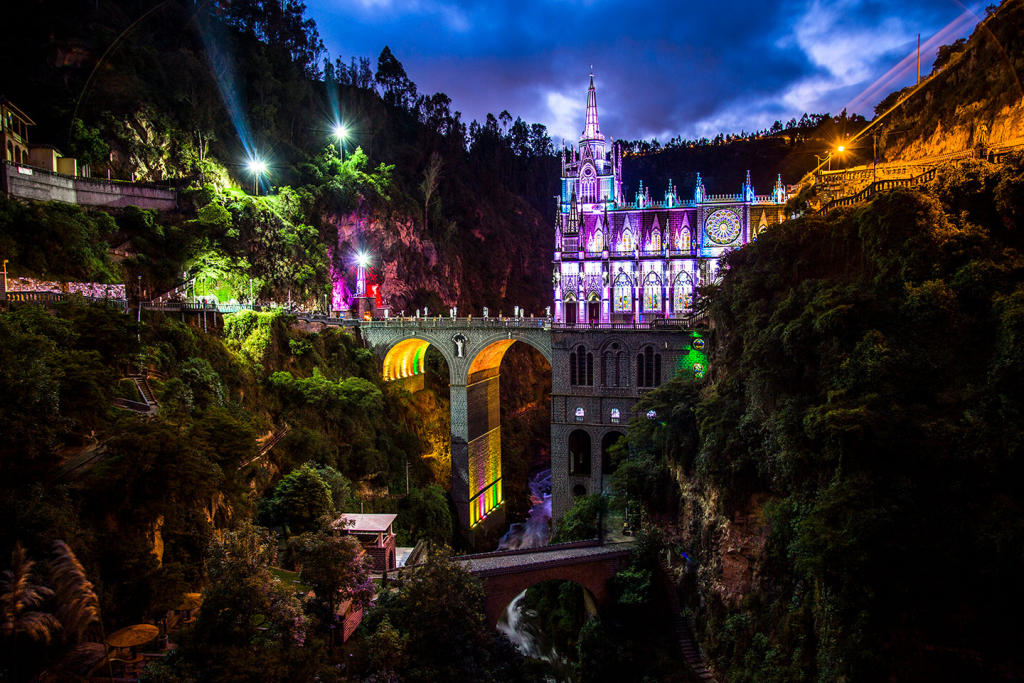
| One unusual landmark | Ipiales for Las Lajas Sanctuary |
Antioquia and the Coffee Region
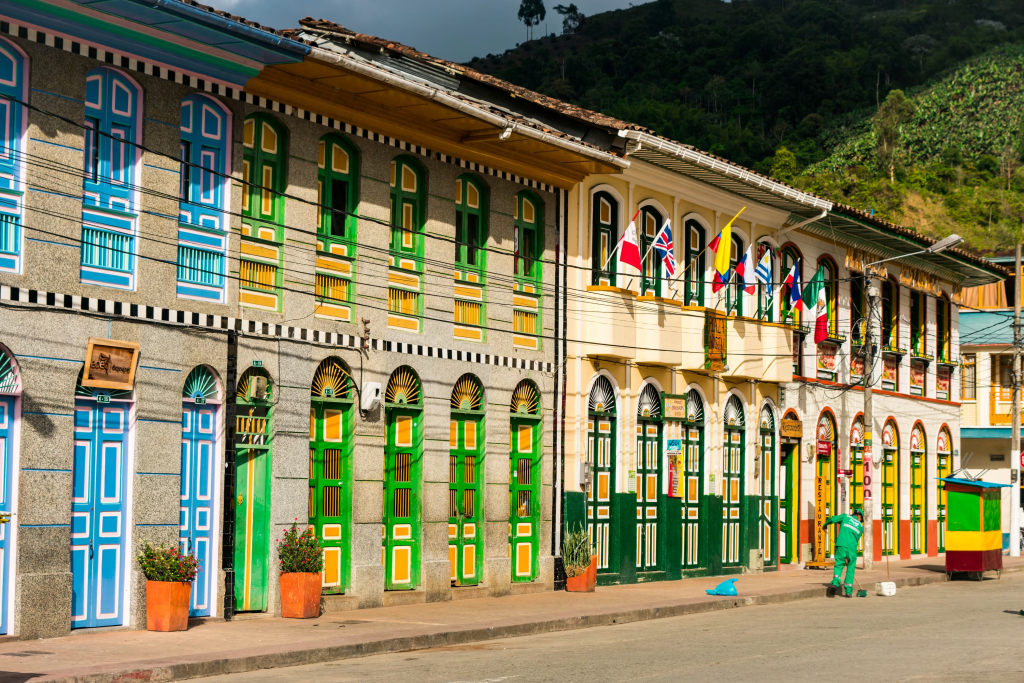
These towns are the easiest choices for visitors starting in Medellín or travelling through the Coffee Region. Bright balconies, tiled roofs and busy central squares are common, but each place has a different pace.
1. Jardín, Antioquia
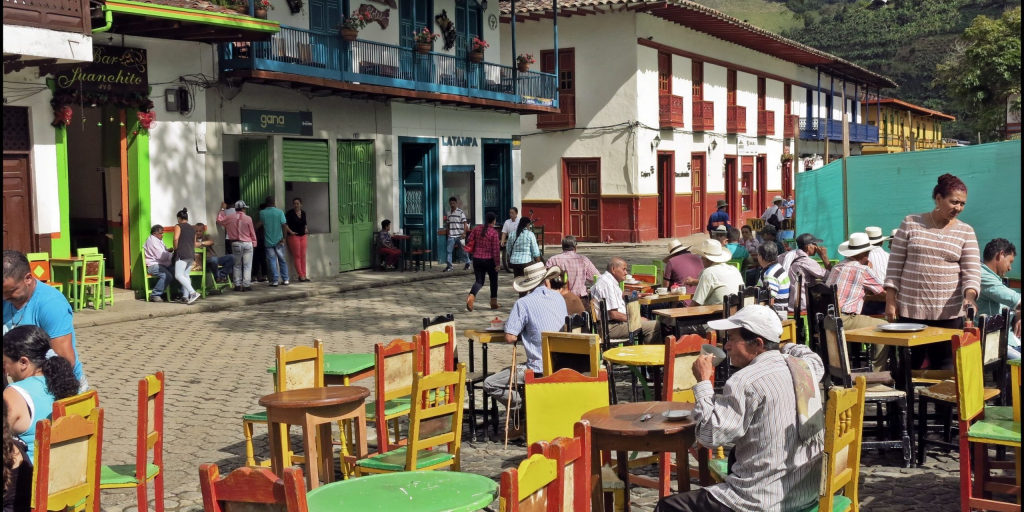
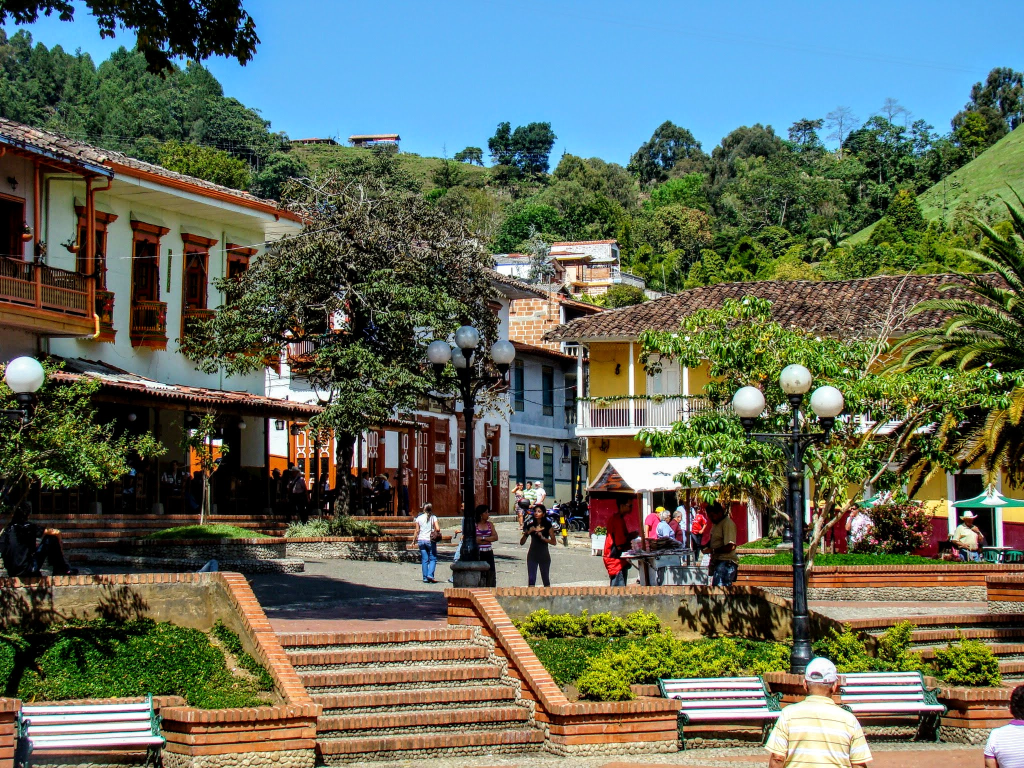
Jardín is the town I would recommend to most visitors who want a proper Antioquian weekend. The main square is colourful without feeling staged, and the cafés are still used as much by local families and farmers as by tourists.
The town is surrounded by coffee farms, waterfalls and green hills. You can fill a weekend with walks and cable-car views, but Jardín also works when you do almost nothing. Sit in the square, order coffee and watch the town go by. Weekends are lively; weekdays are noticeably calmer.
Best for: A beautiful square, coffee culture and easy countryside walks. | Time to allow: Two nights.
2. Jericó, Antioquia
Jericó feels smaller, hillier and more traditional than Jardín. It is known for religious history, leather workshops and streets lined with colourful wooden balconies. The town has a strong local identity and has not turned entirely into a weekend resort.
The steep streets can be tiring, but the slopes also create excellent viewpoints. Jericó is a good choice for travellers who want a quieter town and do not need a long list of attractions.
Best for: A slower, more traditional Antioquian town. | Time to allow: One or two nights.
3. Santa Fe de Antioquia
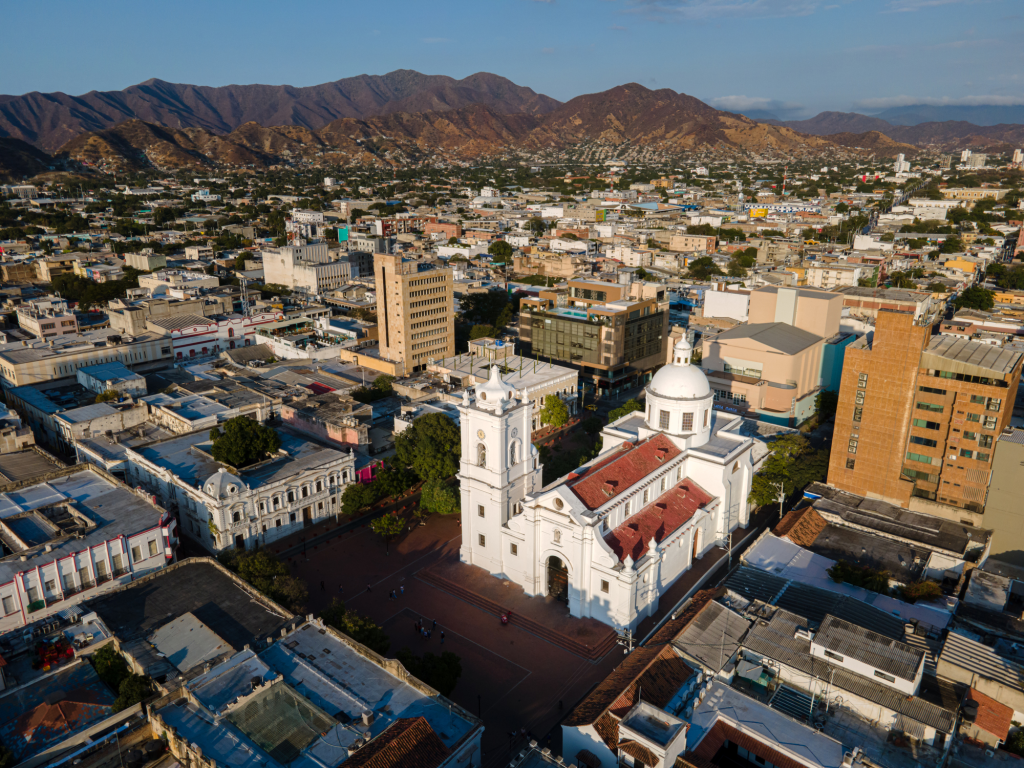
Santa Fe de Antioquia was the department’s capital during the colonial period, and its historic centre still feels older than Medellín. White houses, heavy wooden doors, shaded courtyards and several old churches make it an easy place to explore on foot.
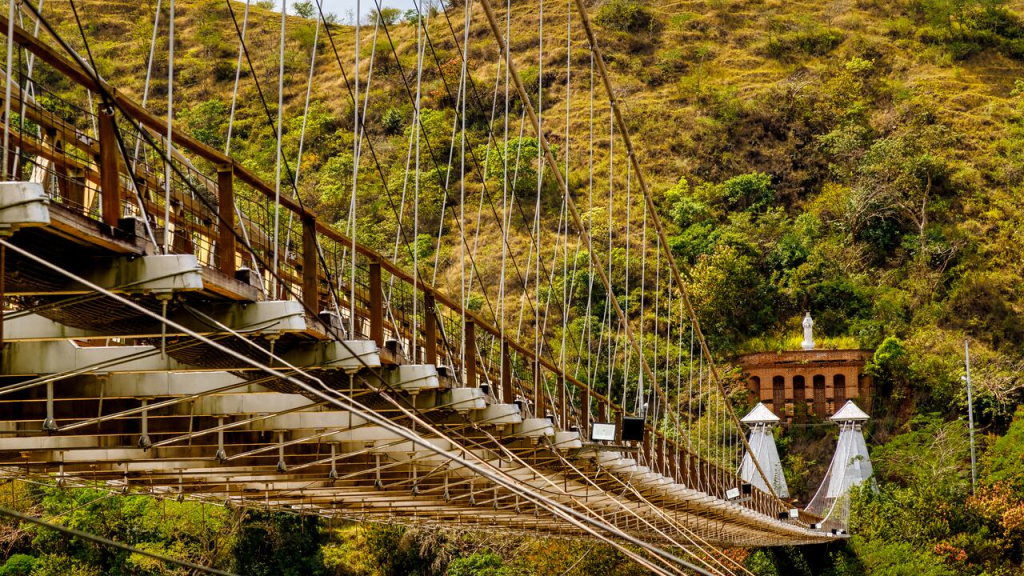
It is much hotter than Medellín, often reaching 30°C or more in the afternoon. Start early, rest during the hottest hours and visit the Puente de Occidente outside town. A day trip is possible, but one night gives you the quieter evening streets.
Best for: Colonial architecture and the simplest heritage trip from Medellín. | Time to allow: One night.
4. Guatapé, Antioquia
Guatapé is one of Colombia’s most photographed towns. Its lower walls are covered in colourful relief panels called zócalos, and the streets around Plazoleta de los Zócalos are made for wandering.
The town is normally combined with Piedra del Peñol and the reservoir. It is also one of the busiest places on this list. Visit on a weekday when possible, and stay overnight if you want to see the streets before the day tours arrive.
Best for: Colour, reservoir views and an easy first day trip. | Time to allow: One night, or a long day trip.
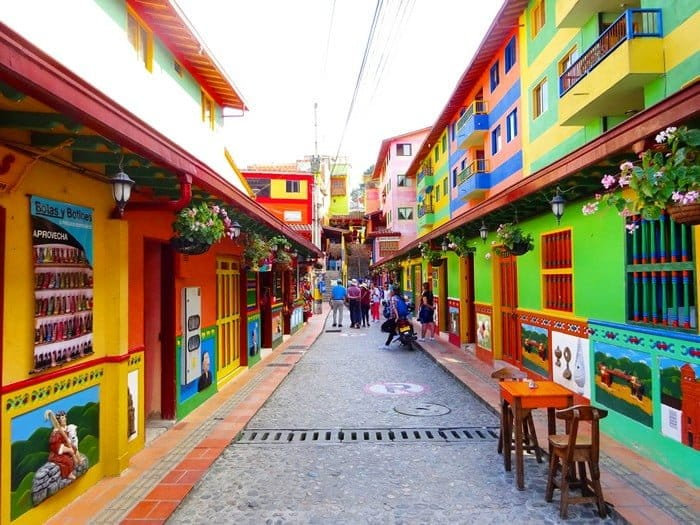
5. Salento, Quindío
Salento is the best-known town in the Coffee Region and the main base for visiting the Cocora Valley. Its central streets are colourful, the surrounding farms are easy to tour, and transport connections are better than in the quieter towns nearby.
Popularity is the advantage and the drawback. There are plenty of restaurants, hostels and tours, but the centre can feel crowded on weekends. Go early to Cocora, then give the town an evening after the day visitors leave.
Best for: A first trip to the Coffee Region and access to Cocora Valley. | Time to allow: Two or three nights.
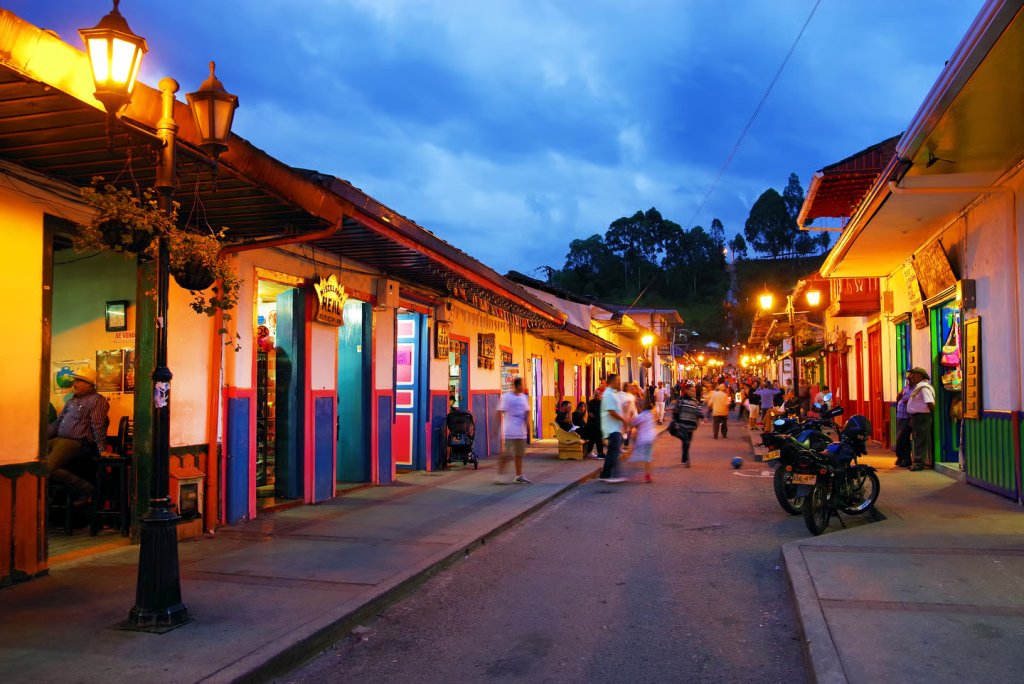
6. Filandia, Quindío
Filandia has much of Salento’s colour and coffee scenery with fewer tour buses. The main square is attractive, the streets are easy to walk and the surrounding hills are dotted with farms and small restaurants.
It is not empty or undiscovered, but it still feels less rushed. Filandia works well as a base on its own or as a second stop after Salento. The town is especially pleasant in the late afternoon when the light reaches the wooden balconies.
Best for: A quieter Coffee Region base. | Time to allow: One or two nights.
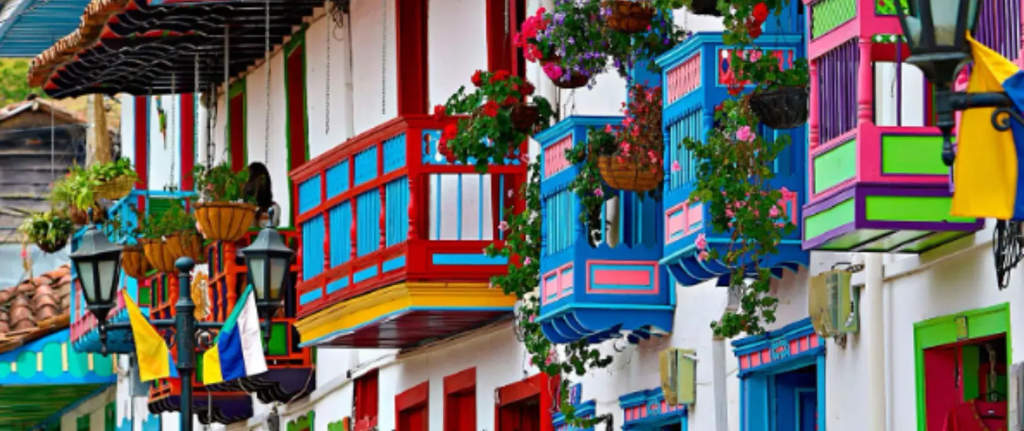
7. Salamina, Caldas
Salamina is one of the most handsome coffee towns in Colombia, but it receives far fewer foreign visitors than Salento. The centre has carved wooden balconies, old houses and steep streets with wide views over the mountains.
The journey is slower and the tourist infrastructure is smaller, which is exactly why some travellers prefer it. Salamina is best for people who enjoy architecture and everyday town life more than organised attractions.
Best for: Traditional coffee-town architecture without large crowds. | Time to allow: Two nights.
8. Pijao, Quindío
Pijao calls itself a slow town, and the description fits. There is no major attraction that everyone races to photograph. The appeal is a tidy square, coffee farms, nearby nature and a town that still follows its own rhythm.
Choose Pijao when you actively want quiet. Visitors looking for nightlife, constant tours or a polished resort may get bored. For the right person, that lack of pressure is the reason to come.
Best for: A quiet break and small-scale coffee tourism. | Time to allow: One or two nights.
Boyacá, Santander and the central highlands
The towns east and north of Bogotá tend to have cooler evenings, pale stone or whitewashed buildings and a stronger connection to Colombia’s colonial and independence history.
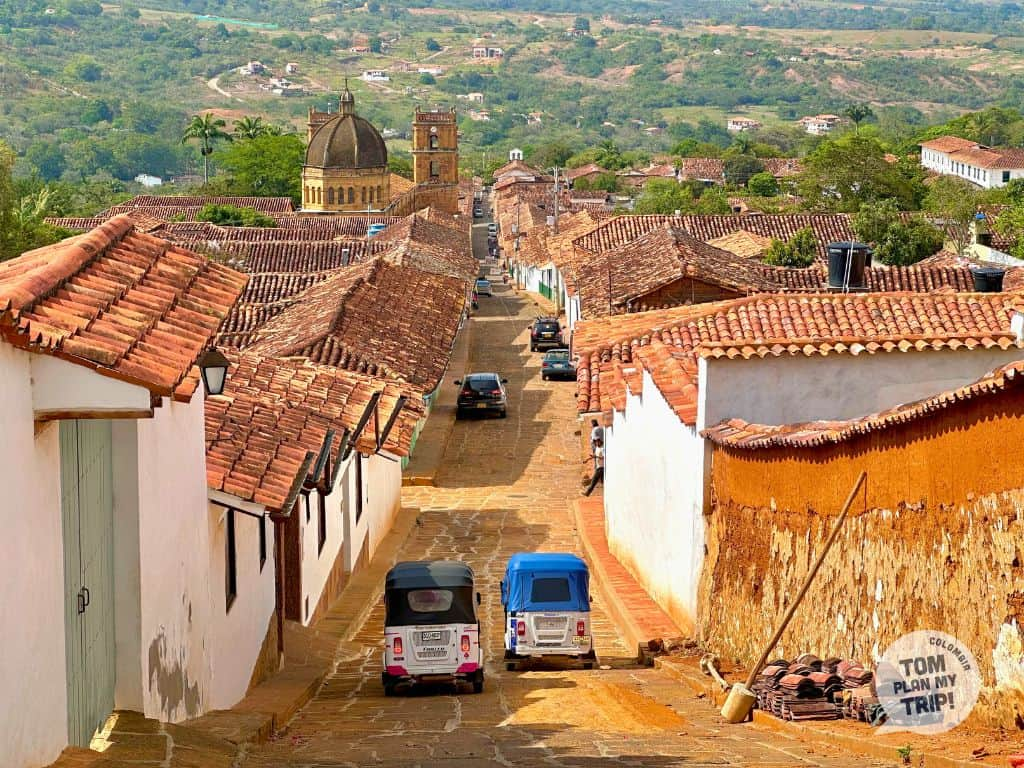
9. Barichara, Santander
Barichara is the town most often described as Colombia’s prettiest, and the claim is not unreasonable. The streets are paved with warm-coloured stone, the buildings are carefully preserved and the whole centre glows in the late-afternoon light.
The town can feel almost too polished, but it is still beautiful. Walk the Camino Real downhill to Guane, visit the small workshops and stay at least one night. The streets are steep and the daytime sun can be strong.
Best for: The most complete colonial-town experience. | Time to allow: Two nights.
10. Villa de Leyva, Boyacá
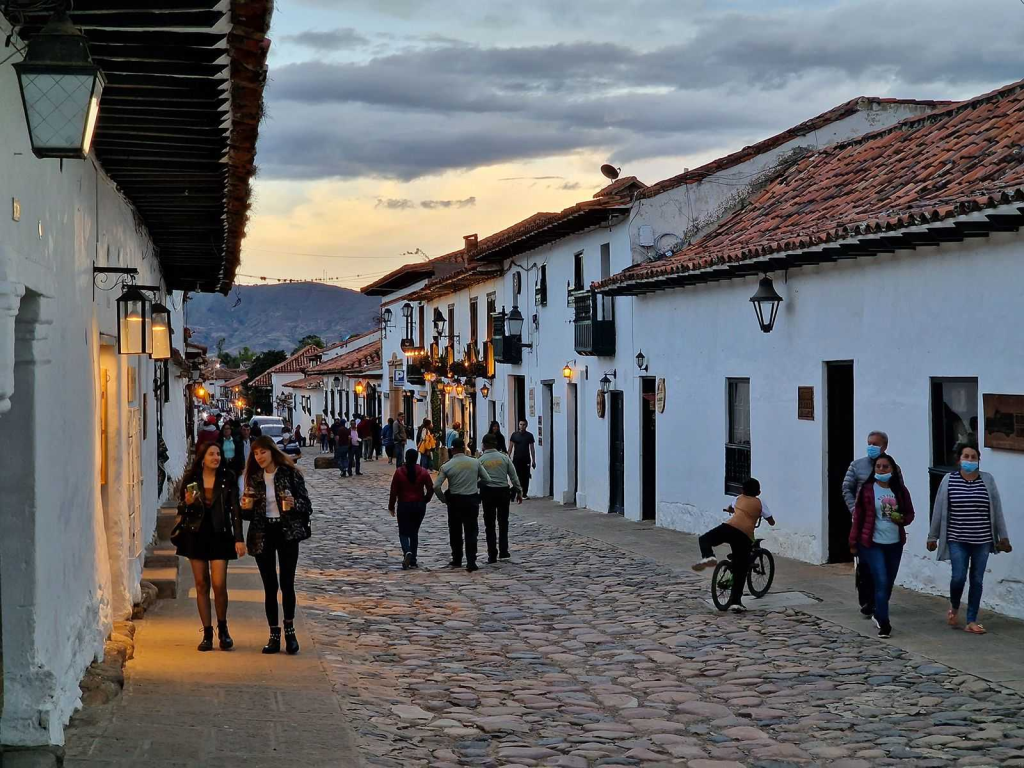
Villa de Leyva has one of Colombia’s largest town squares, surrounded by white colonial buildings and rough cobblestones. Unlike many small heritage towns, it also has enough museums, restaurants and nearby attractions to fill several days.
The downside is weekend traffic from Bogotá. Hotels fill, the square becomes busy and prices rise. Arrive during the week when possible. The surrounding area adds fossils, vineyards, dry landscapes and high-altitude hikes.
Best for: A comfortable weekend with history, food and side trips. | Time to allow: Two or three nights.
11. Monguí, Boyacá
Monguí is a cold, whitewashed mountain town best known for handmade footballs and the nearby Páramo de Ocetá. The main square is quiet, and the stone bridge and old convent make the centre more interesting than its size suggests.
The páramo hike is the main reason many people stay. It is high, cold and physically demanding, so use a local guide and bring proper layers. Even without the hike, Monguí is a pleasant stop for travellers exploring Boyacá slowly.
Best for: Highland scenery and a serious day hike. | Time to allow: Two nights.
12. San Juan de Girón, Santander
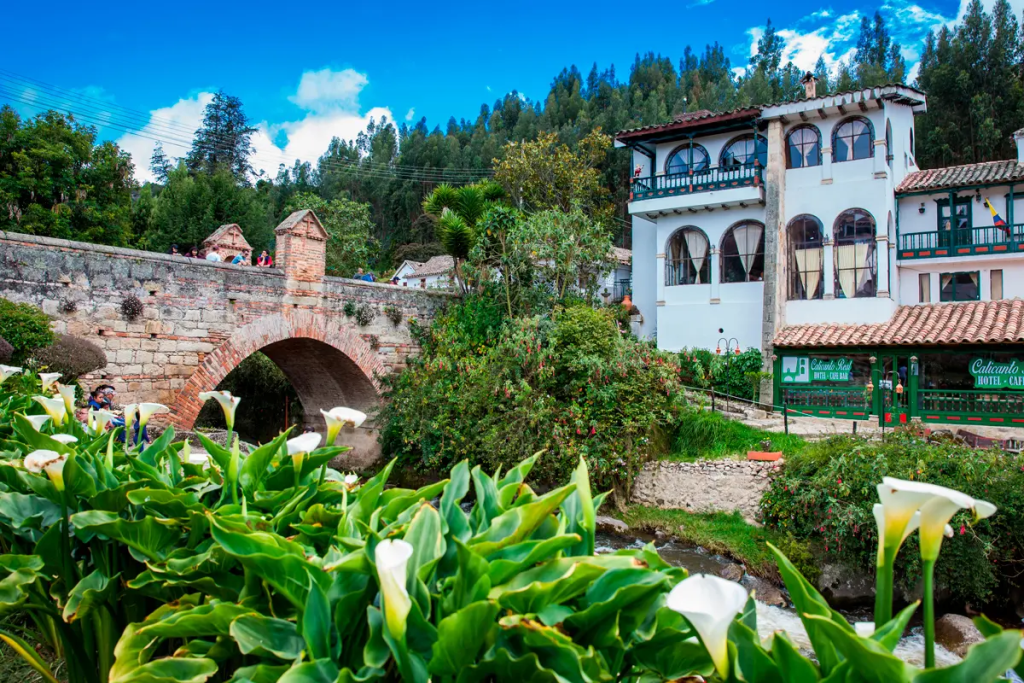
Girón sits beside modern Bucaramanga but feels like a different place. Its white walls, dark wooden balconies, cobbled lanes and small bridges create one of the country’s best preserved colonial centres.
It works well as a half-day trip, although staying overnight gives you the square after the visitors leave. The heat can be heavy in the middle of the day, so mornings and late afternoons are more comfortable.
Best for: An easy colonial side trip from Bucaramanga. | Time to allow: Half a day or one night.
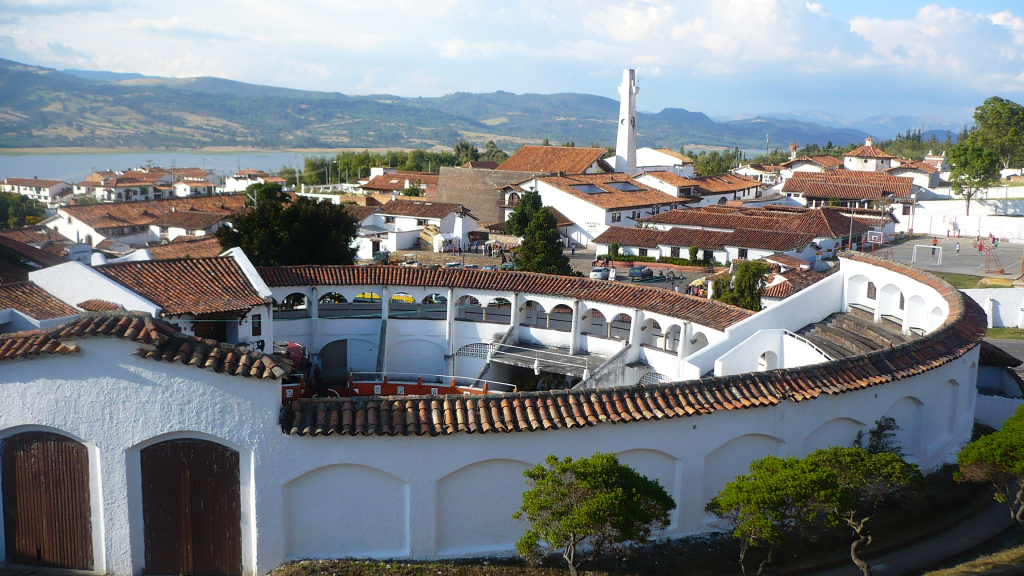
13. Guaduas, Cundinamarca
Guaduas is a smaller and less polished stop on the road between Bogotá and Honda. It is known as the birthplace of independence figure Policarpa Salavarrieta, and the central square and surrounding colonial streets are pleasant for a slow afternoon.
The town is better as part of a route than as the only destination of a long trip. Combine it with Honda, or use it to break the journey from Bogotá toward the Magdalena Valley.
Best for: A quiet historical stop between Bogotá and Honda. | Time to allow: Half a day or one night.
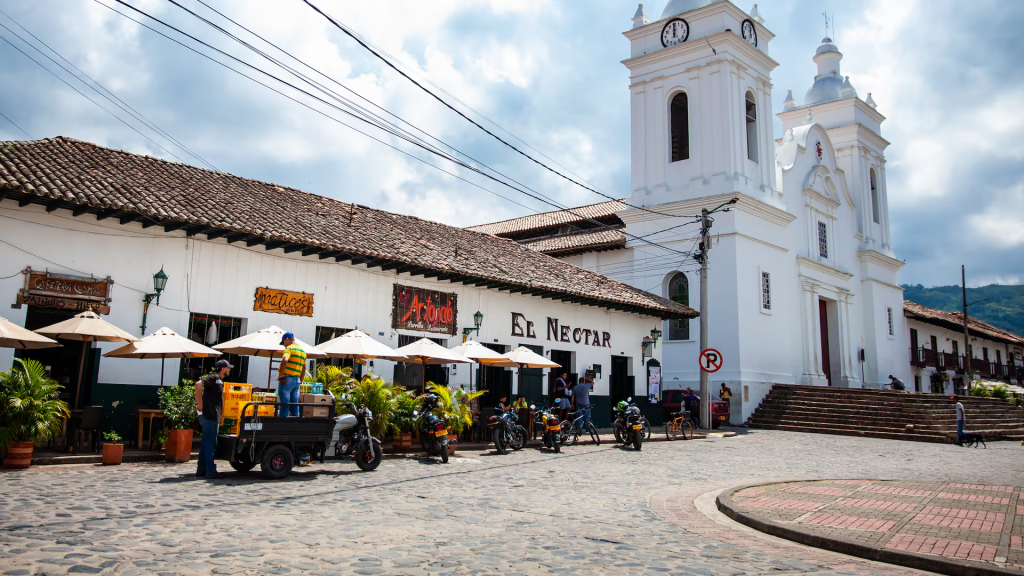
14. Honda, Tolima
Honda grew as a river port on the Magdalena and still has a rougher, more lived-in feel than Barichara or Villa de Leyva. Narrow streets, old bridges and faded houses give the town character rather than perfection.
It is hot, and not every part of the centre has been restored. That is part of the appeal. Visit the river museum, walk the historic streets and plan around the midday heat. Honda works best as a weekend from Bogotá or a stop on a longer road trip.
Best for: River history and atmospheric, imperfect streets. | Time to allow: One or two nights.
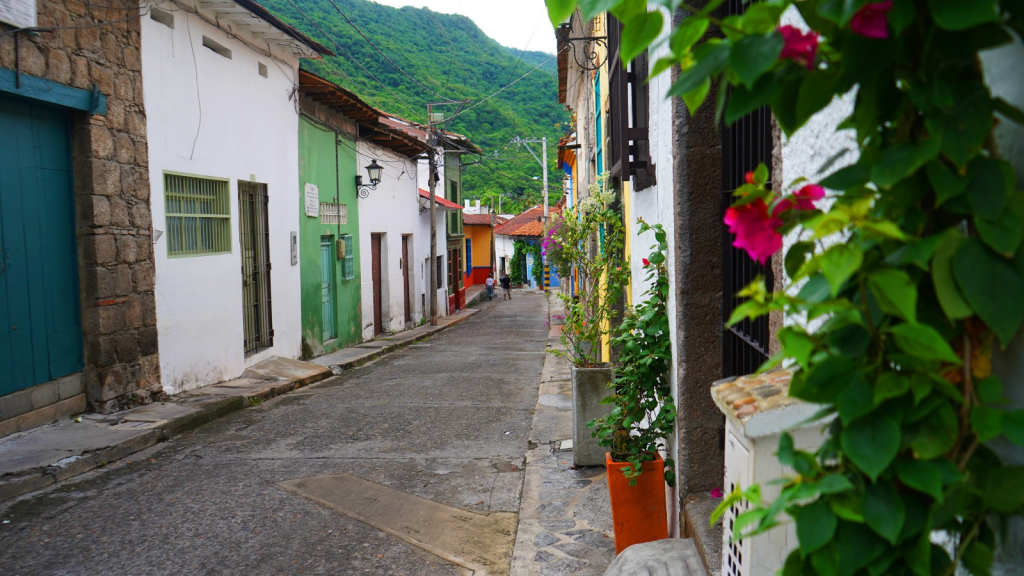
The Caribbean region
Caribbean towns look and feel different from the mountain towns. The weather is hotter, the colours are softer, and the strongest stories come from river trade, migration, music and the coast.
15. Mompox, Bolívar
Mompox is the most atmospheric town on this list. Its historic centre sits beside a slow branch of the Magdalena River, with churches, large colonial houses and long riverside streets that feel almost suspended in time.
It has been a UNESCO World Heritage site since 1995 and is still known for fine gold and silver filigree. The journey is longer than a simple day trip, and the heat can be intense. Stay two or three nights, walk early and late, and leave the middle of the day for shade.
Best for: History, architecture and a destination that feels genuinely different. | Time to allow: Two or three nights.
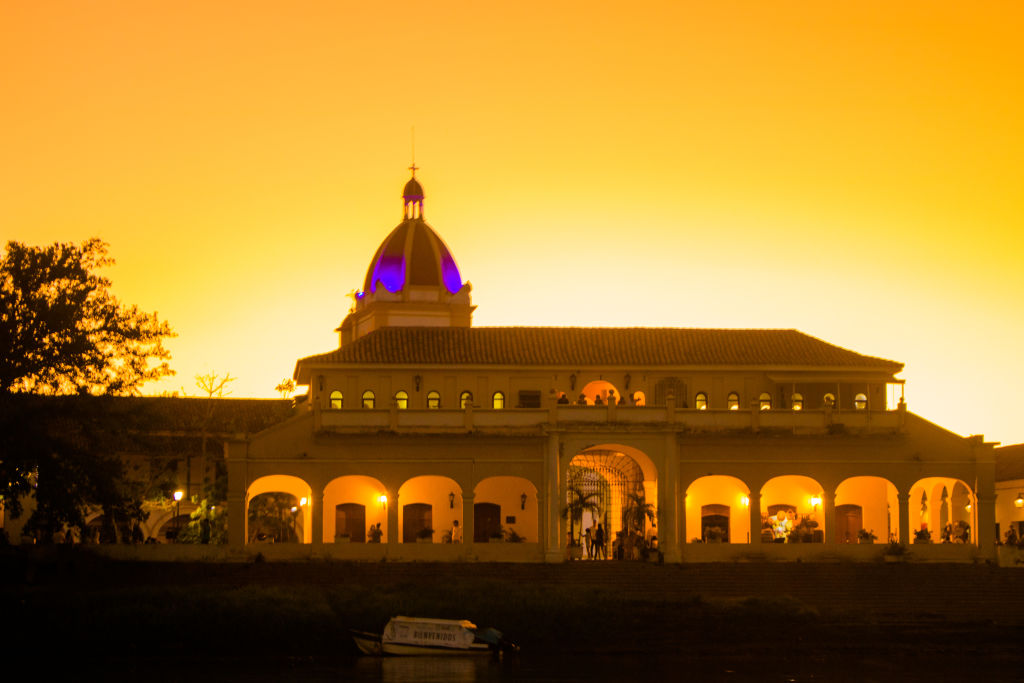
16. Ciénaga, Magdalena
Ciénaga has a handsome central square and a history far larger than its current tourist profile. The town was closely tied to the banana trade and the 1928 massacre of striking workers, an event that later entered Colombia’s literature and national memory.
It is less polished than Mompox and receives fewer leisure travellers. Visit for the architecture, history and the sense of the old Caribbean banana zone rather than for a resort experience.
Best for: Caribbean history near Santa Marta. | Time to allow: Half a day or one night.
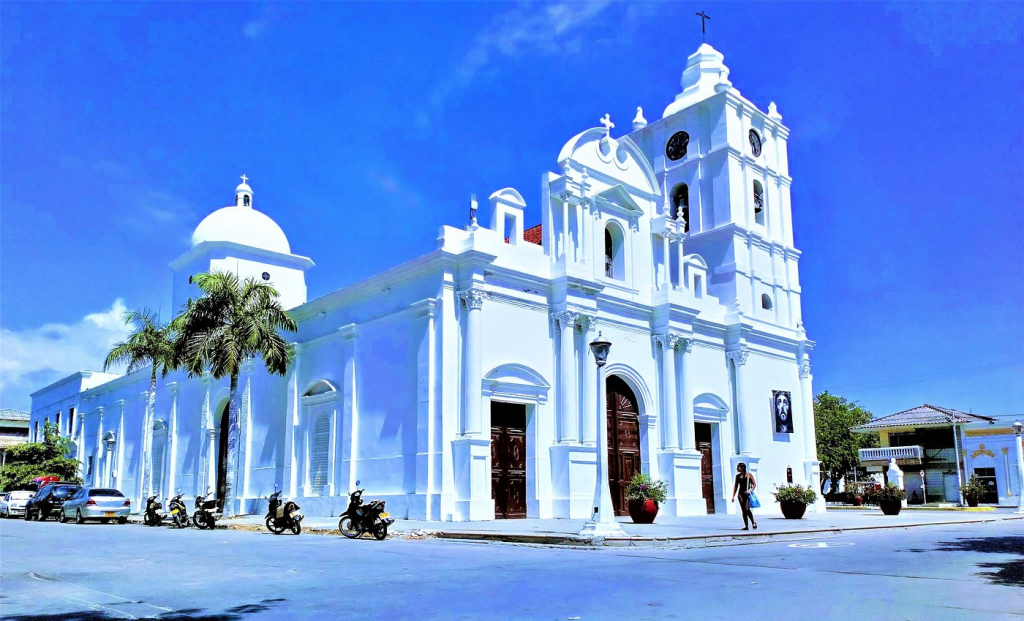
17. Santa Cruz de Lorica, Córdoba
Lorica stands out because its riverside market and older buildings reflect Caribbean, European and Middle Eastern influences. Syrian and Lebanese migration left a clear mark on the architecture, trade and food.
The public market is the heart of a visit. Go in the morning, walk the riverfront and try local dishes. Lorica is not on the usual foreign-tourist route, so it suits travellers already exploring Córdoba or travelling slowly along the coast.
Best for: Architecture, markets and a different side of the Caribbean. | Time to allow: One night.
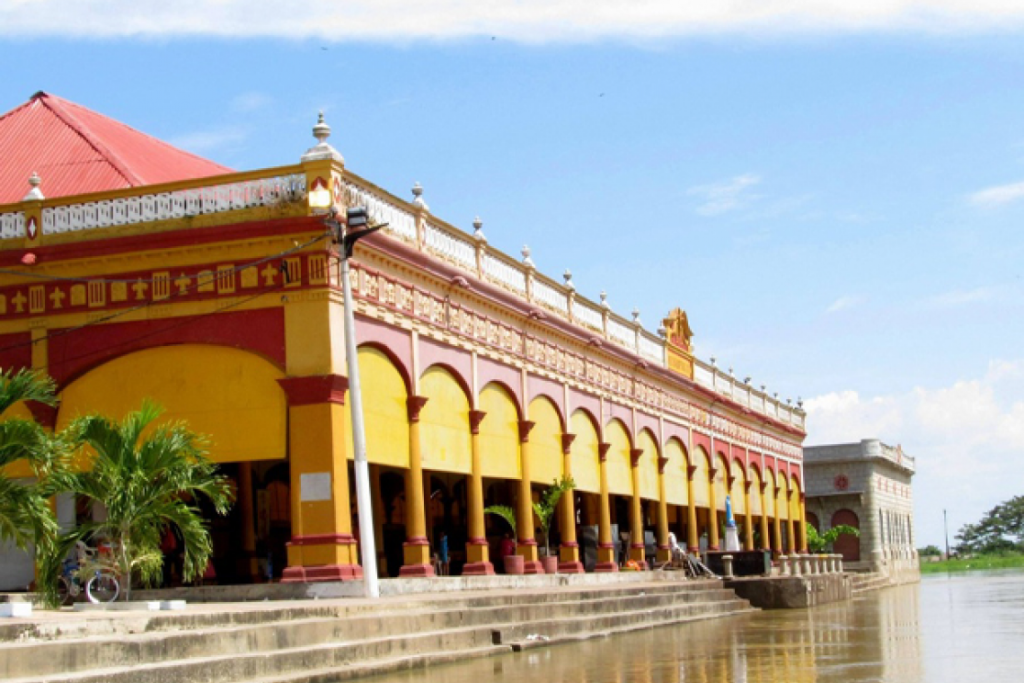
18. Minca, Magdalena
Minca is a small mountain town above Santa Marta rather than a colonial showpiece. Its beauty comes from the setting: green slopes, coffee and cacao farms, waterfalls and views that stretch toward the Caribbean.
The centre is busy and dusty, while many of the best stays are scattered in the hills. A motorcycle taxi is often used for the final climb. Minca is best when you choose one or two activities and leave time to sit in the cooler air.
Best for: Nature, coffee and a break from the coastal heat. | Time to allow: Two nights.
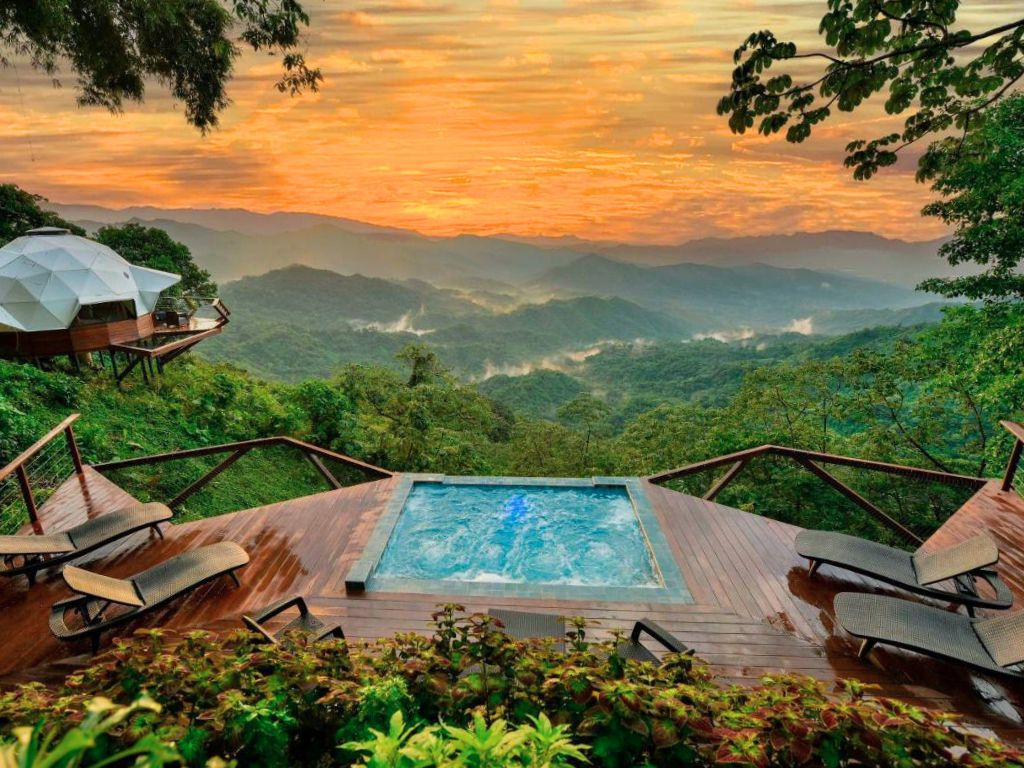
The south and west
These destinations sit outside the most common Medellín-Bogotá-Caribbean route. They make more sense when you are already travelling through Valle del Cauca or Nariño.
19. Guadalajara de Buga, Valle del Cauca
Buga is one of Colombia’s main pilgrimage towns, centred on the Basilica of the Lord of Miracles. Even for visitors with no religious interest, the basilica and surrounding historic streets make a worthwhile stop.
The town is easy to reach from Cali and works as a day trip. It becomes much busier during religious festivals and weekends, when large groups arrive from across the country.
Best for: Religious architecture and an easy trip from Cali. | Time to allow: Half a day or one night.
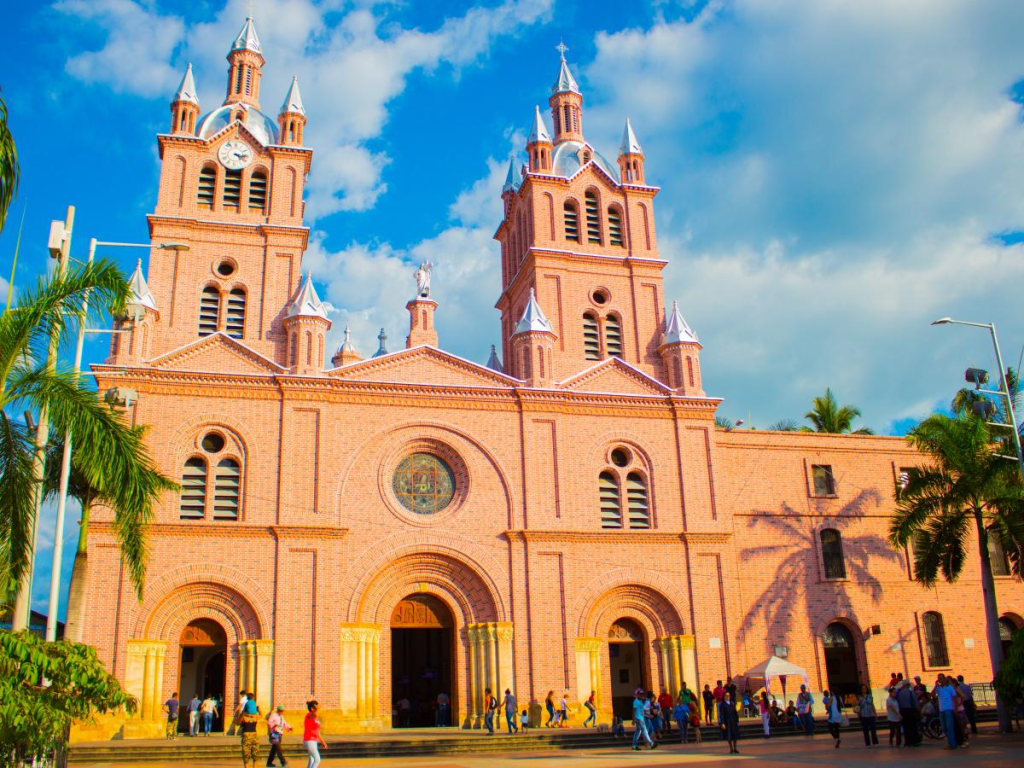
20. Ipiales and Las Lajas, Nariño
Ipiales itself is a busy border city rather than one of Colombia’s prettiest towns. It earns a place here because Las Lajas Sanctuary, about seven kilometres away, is one of the country’s most striking buildings. The neo-Gothic church spans a deep river gorge, and the approach is part of the experience.
Ipiales sits at roughly 2,900 metres, so the air is cool and some visitors feel the altitude. It is most practical for travellers crossing to or from Ecuador or exploring Nariño. Do not make the long journey expecting the city centre to match the sanctuary.
Best for: One extraordinary landmark near the Ecuador border. | Time to allow: One night.
How to plan a route
The biggest mistake is treating these towns like points on a small European map. Mountain roads make short distances slow, and a bus described as four hours can take much longer after rain, roadworks or holiday traffic.
From Medellín: combine Santa Fe de Antioquia with Jardín or Jericó, but not in one rushed weekend.
In the Coffee Region: choose Salento and Filandia for a first visit, or Salamina and Pijao for a quieter trip.
From Bogotá: Villa de Leyva is the easiest full weekend; Barichara needs more travel time.
From Bucaramanga: combine Girón with Barichara and San Gil.
On the Caribbean side: give Mompox its own trip rather than squeezing it between Cartagena and Santa Marta.
From Cali: Buga is easy; the Coffee Region is also reachable by bus.
Near Ecuador: combine Ipiales with Pasto and other destinations in Nariño.
When to visit
Most towns can be visited throughout the year. The main difference is rain, weekend crowds and local festivals. Mountain towns can have warm afternoons and cold nights on the same day. Caribbean towns stay hot and humid.
Colombian holiday weekends are busy. Bus tickets sell out, road traffic increases and rooms become more expensive. When a town is only a few hours from Bogotá or Medellín, a Tuesday can feel like a different place from a Saturday.
For weather patterns and packing advice, see the Medellín weather guide. The exact temperatures differ around Colombia, but the advice about altitude, rain and strong sun remains useful.
What to eat along the way
Food changes as much as the scenery. Antioquia and the Coffee Region lean toward beans, pork, corn and hearty soups. Santander is known for meat, arepas and unusual regional snacks. The Caribbean brings more fish, coconut, plantain and Middle Eastern influence.
Use the Colombian food guide to match dishes to the regions you are visiting.
Frequently asked questions
What is the most beautiful town in Colombia?
Barichara is the most common answer because its historic centre is unusually well preserved. Jardín, Mompox and Villa de Leyva are equally strong choices for different reasons.
Which beautiful towns are closest to Medellín?
Santa Fe de Antioquia and Guatapé are the easiest. Jardín and Jericó take longer but feel more like complete weekend destinations.
Which town is best in the Coffee Region?
Salento is best for a first visit because it has the easiest access to Cocora Valley and plenty of tourism services. Filandia is a better choice when you want fewer crowds.
Can I visit these towns without a car?
Yes. Most are connected by public buses, although reaching rural attractions may require a local jeep, taxi or motorcycle taxi. A car gives more freedom but can be inconvenient on narrow streets and busy holiday weekends.
How many nights should I stay?
One night is enough for smaller towns near a major city. Jardín, Salento, Villa de Leyva, Barichara, Mompox and Minca are better with at least two nights.
Are Colombia’s small towns safe?
Many feel calmer than the large cities, but normal precautions still apply. Check current road conditions and official travel advice, especially before visiting remote border regions or travelling after heavy rain.
| The best town is usually the one that fits your route. Jardín is not worth a ten-hour detour when you are already in Boyacá, and Barichara makes little sense as a rushed side trip from Medellín. Pick a region, stay overnight and give the town time to become more than a photograph. |